
10 Signs You Need a Postpartum Doula

10 Signs You Need a Postpartum Doula
A postpartum doula provides hands-on help, emotional support, and practical guidance to families adjusting to life with a newborn. If you’re overwhelmed, exhausted, or struggling with recovery and newborn care, a doula can step in to make the transition smoother. Here are 10 signs you might need one:
- Severe sleep deprivation: They can handle nighttime care or help establish sleep routines.
- Feeding challenges: Get guidance on breastfeeding, bottle-feeding, or creating a feeding plan.
- Emotional overwhelm: If you’re experiencing mood changes, they offer support and connect you with resources.
- No nearby support: When family or friends aren’t available, they fill the gap with practical help.
- Falling behind on chores: They assist with cooking, cleaning, and laundry so you can focus on recovery.
- Uncertainty about newborn care: Learn diapering, bathing, and soothing techniques with their hands-on help.
- Physical recovery issues: They support you with non-medical care for healing after childbirth.
- Family adjustment struggles: Help partners and older children adapt to the new family dynamic.
- Need for reliable information: They provide research-backed advice on sleep, feeding, and recovery.
- Returning to work: They help establish routines and manage the transition back to your job.
Postpartum doulas are trained professionals who make early parenthood less overwhelming. Their services typically cost $35–$85 per hour, and some insurance or HSA/FSA plans may cover them. If you’re feeling stretched too thin, a doula can provide the support you need to focus on bonding with your baby and recovering.
Postpartum Doula Safety: What Every Parent Needs to Know!
1. You're Severely Sleep Deprived and Exhausted
Lack of sleep can take a serious toll on your ability to function. If you're barely getting two to three hours of broken sleep each night, finding it hard to get through the day, or feeling emotionally overwhelmed by exhaustion, it’s a clear sign that you may need some extra help.
Newborns typically wake every 2–3 hours for feeding - day and night. This pattern can last for weeks or even months. If you’re the one managing all those nighttime wake-ups, it’s no wonder you might start forgetting simple tasks, feel lightheaded or disoriented, or get overly emotional about things that wouldn’t normally bother you. This cycle of exhaustion highlights the importance of having expert support.
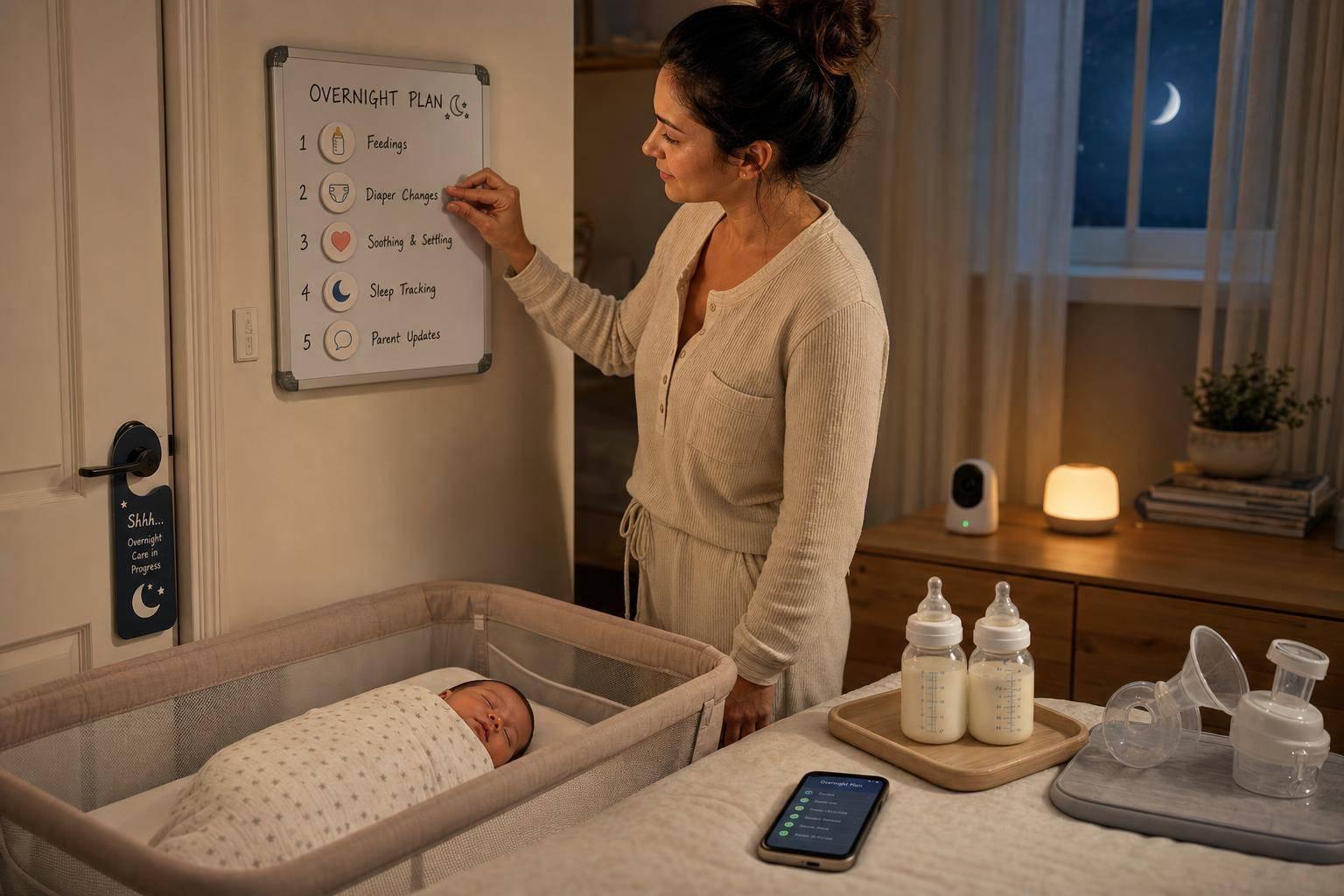
A postpartum doula can step in to provide overnight relief by taking care of feedings, diaper changes, and soothing your baby, giving you the chance to get some much-needed sleep. They can also help you establish sustainable sleep routines by identifying your baby’s hunger and sleep cues, creating gentle bedtime habits, and ensuring safe sleep practices.
During the day, a doula can give you time to rest or recharge by caring for your baby and helping you plan routines that prioritize rest for both you and your partner.
If exhaustion is making it hard to care for yourself or connect with your baby, professional postpartum support can ease the burden of constant nighttime care and help your family find healthier sleep patterns.
2. You're Struggling with Breastfeeding or Feeding Issues
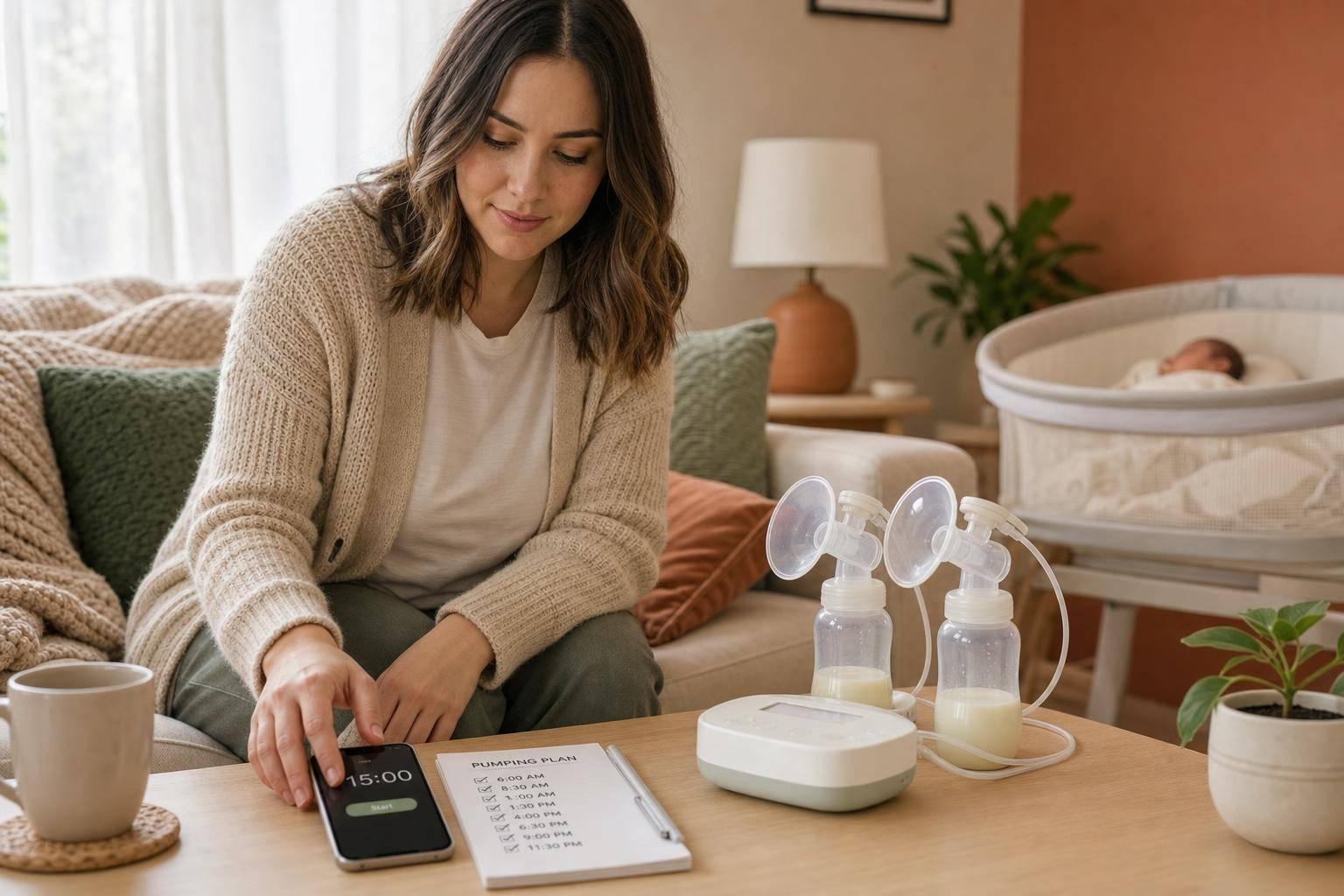
Feeding challenges in the early weeks can feel overwhelming. Many new parents face hurdles like painful latching, worries about milk supply, sore or cracked nipples, engorgement, or babies struggling to latch. For those using bottles, there may be concerns about preparing formula correctly or sticking to a consistent feeding schedule.
This is where a postpartum doula can make a big difference. They provide hands-on guidance to help you navigate these challenges. Whether it's teaching proper latching techniques or finding comfortable feeding positions that work for you and your baby, their expertise can make feeding less stressful.
"Your postpartum doula can guide you through proper latching techniques, comfortable positioning, and maintaining a healthy milk supply. They're also equipped to address common breastfeeding concerns such as sore nipples, engorgement, or low milk supply."
A doula can also help set up nursing stations around your home, ensuring you're comfortable whether you're feeding during the day in the living room or managing nighttime feedings in bed. These practical tips can make a huge difference in creating a soothing and efficient feeding environment.
"A postpartum doula is skilled in supporting the nursing dyad and can assist with comfortable positions, latching and establishing nursing stations throughout the home to feed the baby comfortably. This could be especially important for feeding the baby in bed, in order to rest. This is often the most tricky place to feed a baby successfully, and a postpartum doula knows all the pro tips to make this position (and others) less challenging and comfortable."
- Sharon Muza, BS, CD/BDT(DONA), LCCE, FACCE, CLE
For bottle-feeding families, doulas can guide you on bottle preparation and help establish a feeding routine that fits your lifestyle. If breastfeeding challenges persist, they can connect you with lactation consultants or other specialized resources.
These solutions not only address feeding difficulties but also provide much-needed support during the early days of parenthood.
3. You Feel Emotionally Overwhelmed or Notice Mood Changes
Becoming a new parent can bring a whirlwind of emotions, and sometimes those feelings can feel like too much to handle. If you're experiencing frequent crying, ongoing sadness, overwhelming anxiety, or a sense of inadequacy, it may be time to seek extra support. Just like sleep and feeding, your emotional well-being is a cornerstone of this early stage of parenthood.
Postpartum mood changes can range from the mild "baby blues" to more serious conditions like postpartum depression or anxiety. You might find yourself feeling disconnected from your baby, consumed by worry about their health, or struggling with intrusive, distressing thoughts. This is where a postpartum doula can step in, offering steady emotional support during these challenging moments.
Doulas provide a safe space to express your feelings without fear of judgment. They listen, validate your experiences, and remind you that these emotions are common and, in many cases, temporary. Unlike friends or family who might brush off your concerns with well-meaning but unhelpful comments like "you'll get through it", a doula is trained to recognize when your feelings are part of the normal adjustment period and when they may signal a need for professional help. Emotional overwhelm can also manifest physically, with changes in appetite, disrupted sleep, or even muscle tension. A doula can help you create self-care routines and identify when these symptoms require attention from a healthcare provider.
If your mood changes persist for more than two weeks and begin to interfere with your ability to care for yourself or your baby, a postpartum doula can connect you with mental health resources. They often work closely with therapists, psychiatrists, and support groups to make sure you have access to the care you need. And the support doesn’t stop with the birthing parent - partners and family members can also benefit from a doula’s guidance, learning how to navigate this period together and support one another through the ups and downs of new parenthood.
4. You Don't Have Family or Friends Nearby for Support
Becoming a parent is a life-changing experience, and having loved ones nearby can make all the difference. But what happens when you’ve moved to a new city, your family lives far away, or your friends are unavailable? For many new parents, this lack of nearby support can lead to feelings of isolation during an already overwhelming time. Without someone to lean on, you might find yourself juggling everything alone - soothing a crying baby at 3 a.m., managing household chores, and trying to recover physically and emotionally from childbirth. Add sleep deprivation, hormonal shifts, and the demands of a newborn, and it’s no surprise that stress and anxiety can quickly build up .
This is where the role of a postpartum doula becomes invaluable. When family and friends aren’t around to offer guidance, you miss out on practical advice - like how to swaddle your baby or calm them during a crying spell - that seasoned loved ones might typically share. A postpartum doula can step in to fill that gap, providing hands-on support and expert tips to make those early days a little easier.
Household tasks like cooking and cleaning can feel impossible to manage while caring for a newborn. And even with a supportive partner, recognizing when extra help is needed can be tricky. A postpartum doula not only helps with these day-to-day responsibilities but also brings a sense of calm and reassurance to your home.
Another challenge of lacking local support is connecting with essential community resources. Whether it’s finding a lactation consultant, joining a new parent group, or seeking mental health support, navigating these options can feel daunting when you’re already stretched thin. Studies have shown that low social support is a risk factor for maternal mental health struggles. Without someone to guide you, breastfeeding difficulties or emotional challenges can feel even more overwhelming.
In these moments, a postpartum doula becomes more than just an extra set of hands - they’re a lifeline. They can help bridge the gap by offering practical help, emotional support, and connections to local resources. With their steady presence, you can face this transition with greater confidence and ease.
5. You Can't Keep Up with Household Tasks
The laundry pile seems endless, dishes are stacked in the sink, and cooking proper meals feels like a distant memory. Sound familiar? You’re definitely not alone. When everyday chores like cleaning, meal prep, and laundry start slipping through the cracks, it’s a strong indicator that some extra help could make a big difference.
Caring for a newborn is a full-time commitment. Combine that with physical recovery, sleep deprivation, and hormonal shifts, and even the smallest tasks can feel monumental. Managing meals, laundry, and baby care all at once can leave anyone feeling stretched too thin - and that’s completely normal during the postpartum period.
This is where a postpartum doula can step in, offering practical help to lighten your load. They can take care of everyday tasks like tidying up, preparing meals, and running errands, so you can focus on what truly matters: bonding with your baby and taking care of yourself.
As Meaghan Grant, a certified birth and postpartum doula, puts it:
"Basically we are the extra set of hands every new mom wishes she had."
Take Lucy L. from Minneapolis as an example. She brought in a doula who handled household tasks - everything from washing dishes to running errands - and even helped care for her older child. This gave her the time and space she needed to recover and connect with her newborn.
By easing the burden of daily chores, a postpartum doula helps create a more peaceful home environment. This support allows you to focus on your physical recovery and emotional well-being, instead of feeling buried under a mountain of responsibilities.
When meeting with potential doulas, be sure to ask about the specific household tasks they’re comfortable handling, as services can vary. Accepting help isn’t about striving for a spotless home - it’s about giving yourself the time and space to heal, bond, and navigate the challenges of new parenthood with a little less stress.
6. You're Unsure About Basic Newborn Care
Feeling uncertain about newborn care is completely normal, especially if you're a first-time parent. Many new parents find themselves questioning everything - from how to change diapers to the best way to bathe their baby - wondering if they're doing things the "right" way. If you're often second-guessing yourself or feeling anxious about these everyday tasks, a postpartum doula can be an invaluable resource. They offer hands-on guidance to help you learn the ropes, giving you the confidence to navigate these early days of parenthood.
Tasks like diaper changes, recognizing feeding cues, and mastering safe bathing can feel overwhelming, particularly when you're running on little sleep and adjusting to life with a newborn. A postpartum doula steps in to demonstrate these skills in real time, making the learning process much easier. Instead of wading through conflicting advice online or in books, you'll have a knowledgeable professional right there to answer your questions and provide clarity.
Beyond the basics, a doula helps you decode your baby's unique behaviors and needs. They can teach you soothing techniques and how to identify signs of hunger, tiredness, or discomfort specific to your little one.
"Postpartum doulas provide guidance, hands-on help, and reassurance during these early weeks and months." – Lauren Foster, National Baby Co
If you're confused about safe sleep practices or overnight routines, your doula can even assist with nighttime care. Observing their methods can help you learn effective techniques while also giving you the chance to rest, making the transition to independent care much smoother.
Every baby is different, and postpartum doulas adapt their approach to fit your family's specific needs. Their support not only helps you build confidence but also ensures your baby is well cared for. The goal isn't to make you reliant on their help but to empower you with the skills and knowledge to handle newborn care on your own. Over time, those daunting tasks begin to feel like second nature. By mastering these essentials, you'll be better equipped to tackle challenges like sleep routines and feeding, setting a strong foundation for the future.
sbb-itb-9ce2258
7. You're Dealing with Recovery Problems or Physical Pain
Recovering after childbirth can be tougher than many new moms anticipate. Whether it's dealing with pain, mobility challenges, or complications during healing, the postpartum period often requires extra support. This is where a postpartum doula can step in, offering non-medical help to ease your recovery journey. Let’s break down some common recovery challenges - like surgical pain, perineal discomfort, and the demands of daily life - and how a doula’s care can make a real difference.
Recovering from a C-section comes with its own set of hurdles. From protecting your incision to managing pain, everyday tasks can feel overwhelming. A doula can guide you on safe ways to lift, hold, and feed your baby while minimizing strain on your body. They can also assist with mobility, like helping you get in and out of bed when movement feels especially difficult. This kind of personalized support not only helps reduce discomfort but also encourages a smoother healing process.
For moms who’ve had a vaginal birth, recovery often involves managing perineal discomfort. Doulas can suggest soothing practices like sitz baths and ice packs to ease the pain and promote healing. Their advice can make everyday activities feel more manageable, even when you're still healing.
When it comes to general pain relief, doulas can help with gentle exercises, warm compresses, or relaxation techniques. Having someone knowledgeable by your side can be incredibly reassuring, especially when you’re navigating the ups and downs of recovery.
"While they don't provide medical advice, they can assist with comfort measures for common issues such as pelvic discomfort, perineal healing, and cesarean recovery, giving you the time and support needed to heal." – Sanctuary Marketing, Sanctuary Doulas
Breastfeeding can also bring its own challenges, like engorgement or cracked nipples. Doulas trained in lactation support can offer tips on comfortable feeding positions and proper nipple care to help prevent complications like mastitis.
On top of physical recovery, managing household responsibilities can feel overwhelming and even slow down healing. Postpartum doulas can take over tasks like meal prep, light cleaning, and newborn care, giving you the time and space to rest and recover. This extra help is especially important during those early weeks when energy levels are at their lowest.
If you’re unsure about how your recovery is progressing, doulas can provide insight and suggest when it might be time to consult a specialist. Whether it’s connecting you with a pelvic floor therapist or an acupuncturist, they can guide you toward the right resources to support your healing process.
8. Your Partner or Other Children Are Having Trouble Adjusting
Bringing a new baby home is a major shift for the entire family. It’s not uncommon for partners to feel overwhelmed or for older children to struggle with the changes. In these moments, having extra support can make all the difference.
Partners often face their own set of challenges during the postpartum period. They might feel nervous about caring for the baby, uncertain about feeding schedules, or stressed from juggling work and family life. A postpartum doula can step in to guide your partner through essential newborn care. From showing how to swaddle safely to changing diapers and recognizing hunger cues, this hands-on help can build confidence. When your partner feels more capable and involved, it benefits everyone in the family as you all adjust to this new chapter.
Older siblings may also experience a mix of emotions when a new baby joins the family. It’s not unusual for them to feel jealous of the attention the baby gets, confused about their role, or even upset by the changes in their daily routine. Some kids may act out, regress in their behavior, or have trouble sleeping as they process these feelings.
A postpartum doula can offer direct support to help older children navigate these emotions. By engaging with siblings through play or helping with childcare, a doula creates space for parents to tend to the newborn or spend quality time together. This kind of attention reassures older kids that they’re still an important part of the family.
Beyond individual support, doulas can help the whole family adjust by finding ways to include older children in baby-related activities. Whether it’s letting them help pick out the baby’s outfit or assist during bath time, these small acts of involvement can make siblings feel valued instead of left out. If your partner needs a break or wants to spend one-on-one time with the older kids, a doula can step in and care for the newborn, ensuring everyone’s needs are met.
Addressing family dynamics early on is key because unresolved adjustment issues can lead to ongoing stress. When every member of the household feels supported and seen, the family as a whole thrives. A calmer, more harmonious environment benefits everyone.
When considering a postpartum doula, take the time to discuss your family’s specific situation. Share details about the ages of your older children and any concerns you have about their adjustment. Not all doulas specialize in sibling support, so finding one who aligns with your family’s needs is essential.
9. You Want Research-Based Information and Guidance
Navigating postpartum life often brings a flood of questions about your baby's development, your own recovery, and what’s considered normal. On top of that, well-meaning advice from friends and family can sometimes add to the confusion. This is where a postpartum doula steps in, offering information grounded in research to help you make clear, informed decisions. Their expertise complements the hands-on support they provide, which we’ve touched on earlier.
Postpartum doulas are trained to differentiate between what’s part of the normal postpartum experience and what might signal a need for professional care. For example, they can help you identify early signs of maternal mental health challenges, such as anxiety or depression. This guidance is critical in distinguishing between temporary "baby blues" and more serious concerns that may require attention from healthcare providers.
When it comes to feeding and sleep, doulas offer practical, evidence-based advice. Whether you're working on breastfeeding techniques, addressing latching issues, or establishing safe sleep routines, they provide clear, actionable guidance. They can also help tweak existing feeding schedules and create sleep plans that balance safety with your family’s need for rest.
Breastfeeding struggles, in particular, can sometimes contribute to feelings of anxiety or even depression. A doula helps you understand how these challenges might impact your emotional well-being and when it’s time to seek help from a lactation consultant or a mental health professional. Beyond just sharing information, they empower you to communicate effectively with your healthcare team. This includes helping you advocate for mental health screenings and ensuring your concerns are heard by your OB/GYN or pediatrician. In this way, doulas play a key role in bridging gaps in postpartum care.
Additionally, when specialized care is needed, postpartum doulas connect you with resources like local mental health professionals, support groups, and trusted helplines. For instance, they might guide you to the National Maternal Mental Health Hotline or Postpartum Support International's Helpline for added support.
During a time when sleep deprivation and emotional vulnerability can make everything feel overwhelming, having a trusted source of accurate, up-to-date information is invaluable. A postpartum doula creates a safe, respectful space for your questions, giving you the confidence and clarity you need to navigate this new chapter.
10. You're Preparing to Return to Work or Face Major Changes
Heading back to work after having a baby can feel like stepping into uncharted territory, especially when you're juggling big life changes. Whether you're returning after a few weeks or months, a postpartum doula can be a game-changer during this adjustment period.
One of the biggest challenges of returning to work is making sure you're getting enough rest. Sleep becomes a precious resource, and postpartum doulas can step in with overnight care to help you and your baby develop consistent sleep routines. This extra support can make all the difference in how you handle your busy days.
Managing the demands of work while caring for a newborn can feel overwhelming. A doula can take on tasks like feeding, soothing, and basic baby care. They might even help with light household chores, giving you the space to focus on your job and your own well-being. This kind of practical help can make the transition back to work far less stressful.
But it’s not just about logistics. The emotional side of this transition is just as important. A postpartum doula provides a judgment-free space to share your feelings and offers practical self-care tips. Whether it's finding time for a quick workout, enjoying a quiet moment, or reconnecting with loved ones, their guidance can help you regain balance during a hectic time.
Postpartum doula services generally cost between $35 and $85 per hour. While this may seem like an investment, many insurance plans, as well as HSAs or FSAs, may help cover these services.
How Nestling Supports Families After Birth
Navigating life with a newborn comes with its fair share of challenges, but Nestling is here to bridge the gap by connecting families with highly qualified postpartum professionals. These caregivers aren’t just randomly selected - they’ve undergone thorough background checks, reference reviews, and specialized training to ensure they meet the highest standards.
With Nestling, you gain access to a network of experts, including postpartum doulas, lactation consultants, and infant care specialists. Each professional is carefully interviewed and certified, so you can trust that the care you receive is both reliable and tailored to your family’s specific needs.
The care plans offered by Nestling address a wide range of situations, from breastfeeding struggles to transitioning back to work, and even specialized support for families with multiples or NICU babies. Research backs the importance of this kind of help - studies show that additional breastfeeding support increases success rates significantly, while continuous doula care has been linked to lower rates of postpartum depression.
Nestling also prioritizes flexibility. Whether you need immediate assistance or want to plan ahead, the platform allows you to book care on-demand or schedule services in advance. Options include daytime help, overnight care, and even live-in support. This level of adaptability ensures that expert care is available whenever you need it.
For newborn care, Nestling professionals provide hands-on assistance with everything from establishing sleep routines to feeding - whether you’re breastfeeding, bottle-feeding, or doing a combination. They also help with bathing and general infant care, offering guidance that can transform feelings of overwhelm into confidence.
Mothers receive focused postnatal care, including support for physical recovery, lactation guidance, and emotional well-being during mood shifts. Light household help is also part of the package, which can be critical for parents dealing with postpartum depression or anxiety.
To make the process seamless, Nestling features a secure payment system and a feedback platform to ensure high-quality care from start to finish. Privacy is safeguarded through non-disclosure agreements, and continuous feedback helps maintain top-tier service.
For parents preparing to return to work, Nestling offers additional support by helping establish routines that align with your new schedule. Caregivers can also take on household tasks, allowing you to focus on your career transition while ensuring your family’s needs are met.
Conclusion
The postpartum period often brings challenges that many underestimate. From emotional exhaustion and struggles with managing daily tasks to physical recovery hurdles, these signs can signal when professional help is no longer just an option - it’s a necessity.
Spotting these signs early can be the key to a smoother transition into parenthood, helping to avoid unnecessary stress. Whether it’s a lack of nearby family support or feeling unsure about the basics of newborn care, recognizing these needs isn’t a sign of weakness - it’s a step toward strength. Awareness is the first move toward getting the help you deserve.
Start by evaluating your situation honestly. If you notice multiple signs that you’re struggling, don’t hesitate to seek support. Postpartum doulas can be a lifeline, but keep in mind that their services are in high demand. Acting quickly to secure assistance is crucial.
When selecting a postpartum doula, focus on finding someone whose expertise and approach make you feel at ease. Ask about their training, certifications, availability, the range of services they provide, and their cancellation policies. Building a trusting connection is essential during such a tender time.
Seeking professional help during this period isn’t just about easing your load - it’s about creating a foundation for bonding with your baby and supporting your recovery. With the right support, the overwhelming aspects of postpartum life can become more manageable, giving you the space to focus on what truly matters.
Treat the "fourth trimester" with the same care and attention you gave to your pregnancy. It’s a vital step toward starting your parenting journey with confidence and peace of mind.
FAQs
What are the benefits of hiring a postpartum doula for your family?
Hiring a postpartum doula can ease the often challenging transition into parenthood. These professionals are trained to provide a mix of practical help and emotional care that can make a big difference during those early days.
On the practical side, postpartum doulas assist with newborn care, offer feeding support (including guidance on breastfeeding), and even help out with light household tasks. This kind of hands-on help can free up time and energy for parents to focus on bonding with their baby.
Beyond that, they’re also there to provide emotional support. Whether it’s helping parents work through feelings of exhaustion or overwhelm or assisting with postpartum recovery, their presence can be incredibly reassuring. Postpartum doulas also ensure partners feel included and supported, creating a nurturing environment for the whole family during this life-changing chapter.
How can a postpartum doula help if I don’t have family or friends nearby?
A postpartum doula offers caring and dependable support to new parents, especially those who may not have loved ones nearby to lean on. They help with newborn care, share tips on feeding and calming your baby, and provide much-needed emotional reassurance during this transformative phase.
Beyond their hands-on assistance, doulas can also connect you with local resources and support groups, helping you create a sense of community. Their knowledge and judgment-free approach can make the postpartum period feel less daunting and more manageable.
What factors should I consider to find the right postpartum doula for my family?
When selecting a postpartum doula, it’s essential to look into their training, certifications, and experience with families in situations similar to yours. Equally important is understanding their philosophy and approach to postpartum care, making sure it aligns with your values and parenting style.
Think about the specific services they provide. Do they offer breastfeeding support, assistance with household tasks, or guidance on caring for a newborn? Also, check their availability and scheduling to ensure they can be there during the times you’ll need the most help. Above all, prioritize finding someone you feel at ease with - building trust and a strong personal connection can make all the difference in your postpartum journey.






 Sign up with Google
 Sign up with Facebook