
8 Key Duties of a Newborn Care Specialist

8 Key Duties of a Newborn Care Specialist
Newborn care specialists (NCS) provide expert support during the first few weeks after bringing your baby home. Their role focuses exclusively on newborns, helping parents navigate feeding, sleep routines, and early developmental milestones while offering much-needed rest and reassurance. Here’s a quick breakdown of their primary responsibilities:
- Daily Care: Hands-on tasks like diaper changes, baths, and maintaining a clean, safe nursery.
- Feeding Support: Guidance for breastfeeding, bottle-feeding, or mixed methods, including troubleshooting common challenges.
- Sleep Routines: Establishing age-appropriate sleep schedules and safe sleep practices.
- Tracking Health: Monitoring feeding, diaper output, and developmental milestones, while identifying early signs of potential concerns.
- Parental Education: Teaching essential skills like swaddling, interpreting baby cues, and creating routines.
- Nursery Maintenance: Ensuring a hygienic and hazard-free environment for your baby.
- Daily Schedules: Developing flexible routines tailored to your baby’s natural rhythms.
- Emotional Support: Offering guidance, reassurance, and relief for overwhelmed parents.
Hiring an NCS can help ease the transition into parenthood by providing personalized care, education, and peace of mind.
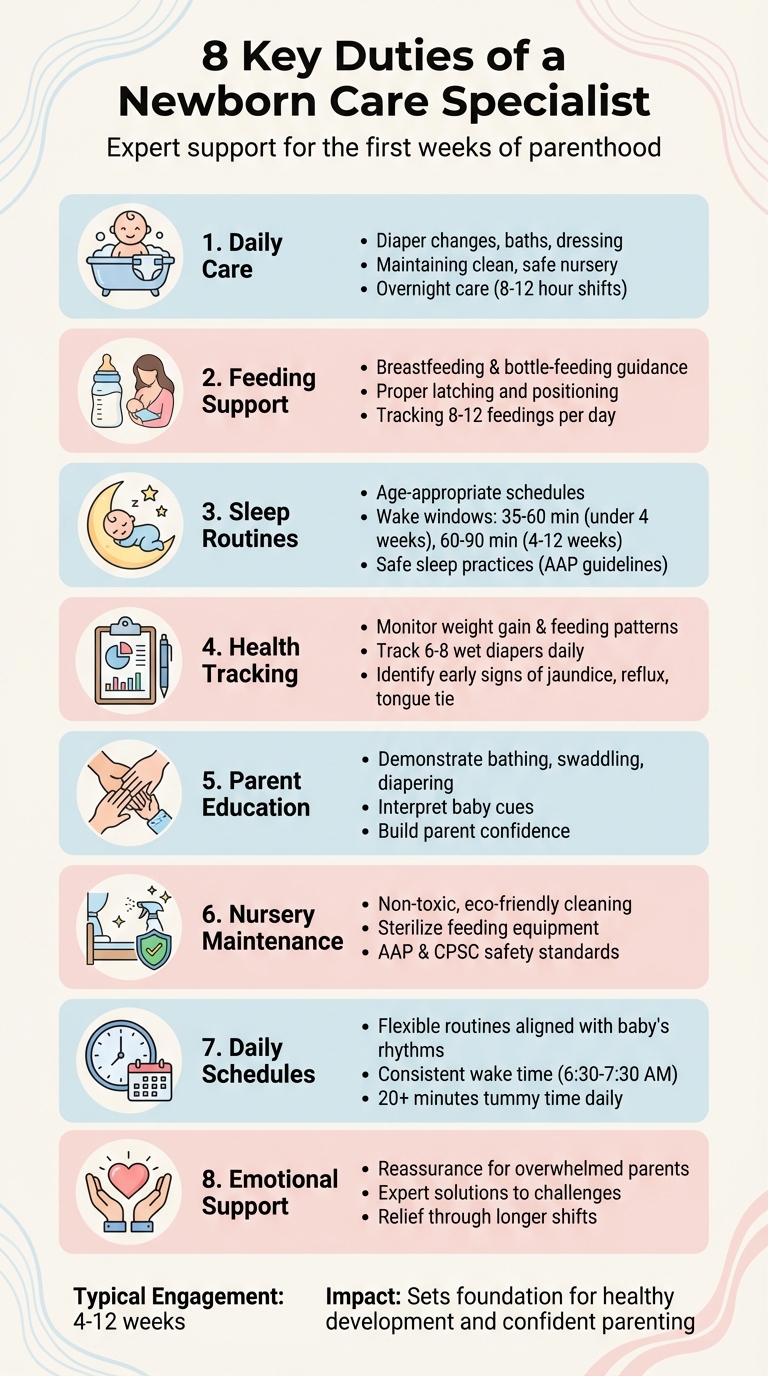
8 Key Duties of a Newborn Care Specialist
What Does a Newborn Care Specialist Do? | The Important Role and Job Duties of a NCS
sbb-itb-9ce2258
1. Providing Daily Newborn Care
At the core of a newborn care specialist's role is dedicated, hands-on care for your baby. This includes managing all the essential daily tasks like diaper changes, baths, dressing, and ensuring your baby’s comfort and safety around the clock.
These routine tasks aren’t just about meeting your baby’s immediate needs - they also serve as opportunities for parents to learn. For instance, when your specialist demonstrates swaddling or techniques to soothe colic, they’re equipping you with skills that will continue to be useful long after their time with you ends.
"This title signifies the substantial experience of the caregiver and that they are not simply helping the mother by bringing the baby in to nurse at night, but that they are in charge of creating a supportive, nurturing, and organized environment right from the start." - Smart Sitting
Specialists also take care of maintaining the nursery, ensuring it stays clean, organized, and safe. This level of care helps keep harmful bacteria at bay and ensures your baby’s environment is secure and well-prepared.
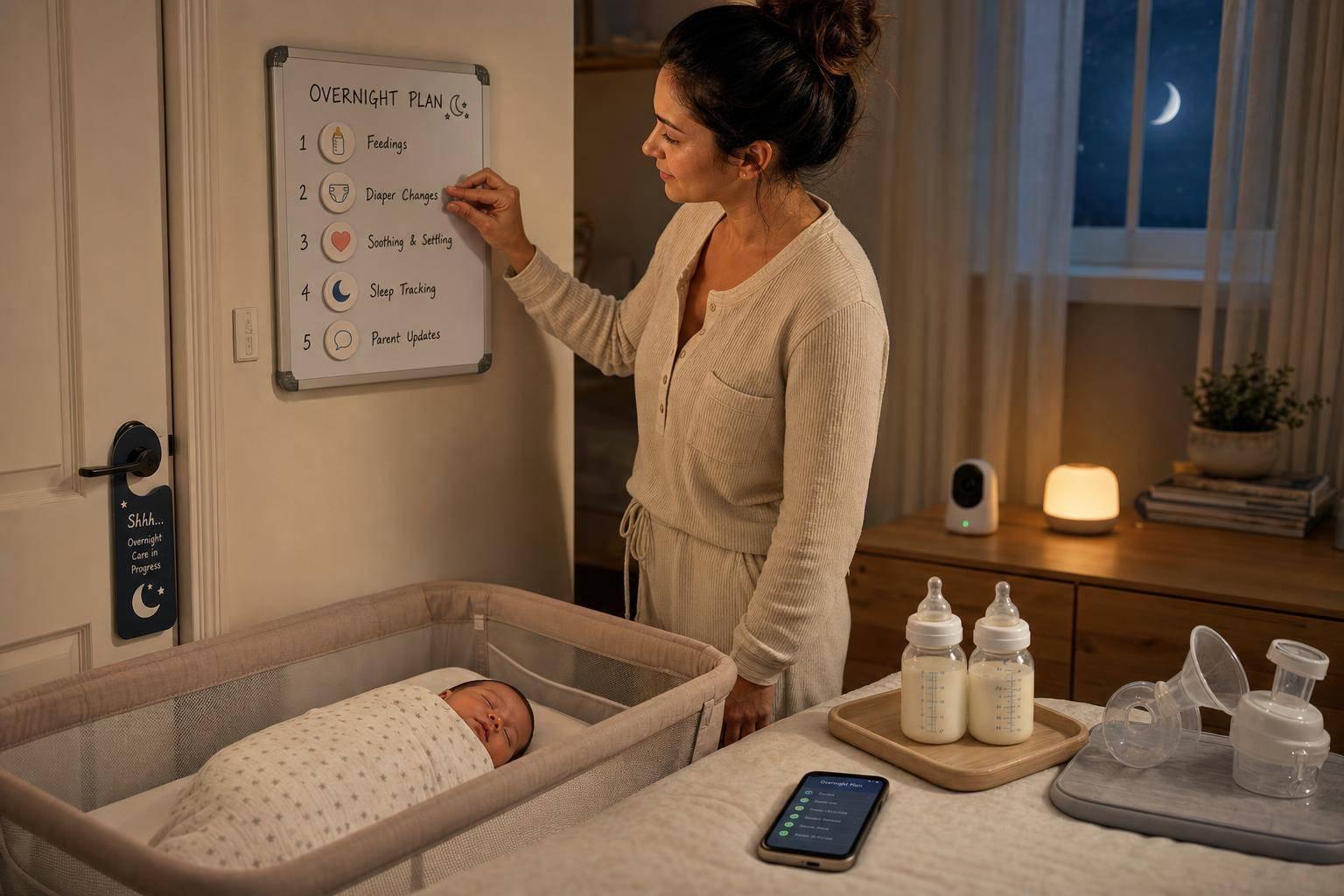
Overnight care is another key component of their services. During shifts that typically last 8 to 12 hours and cost between $300 and $500 per night, specialists stay close to the nursery to respond to your baby’s needs. They handle nighttime feedings, diaper changes, and soothing, allowing you to get the restorative sleep that’s so critical in those early weeks. This comprehensive approach to daily care not only meets immediate needs but also sets the stage for developing feeding habits, sleep routines, and more.
2. Supporting Feeding Methods
Feeding your newborn is one of the most important aspects of early parenthood, and having support in this area can make all the difference. A newborn care specialist (NCS) offers guidance tailored to your chosen feeding method - whether that's breastfeeding, bottle-feeding, or a mix of both. This support complements the overall care they provide for your baby.
For breastfeeding moms, specialists help with everything from achieving a proper latch to finding the right positioning for effective milk transfer. They can also guide you in creating a pumping schedule and share strategies to maintain or boost milk supply. Many specialists hold credentials like Certified Lactation Counselor (CLC), equipping them to provide expert-level assistance.
"An NCS helps optimize your feeding approach - whether breast, bottle, or combination. For breastfeeding mothers, the specialist supports latching technique, pumping schedules, and milk supply management." - Lela Aylin, Member of the Beverly Team
When it comes to bottle-feeding, specialists teach paced feeding techniques that closely mimic breastfeeding. They’ll show you how to position the bottle’s nipple to encourage your baby's natural sucking reflex while addressing common challenges like gulping or coughing. They also help you interpret your baby’s cues, making it easier to distinguish hunger from other needs or discomfort.
In addition to teaching techniques, specialists assist in setting up a feeding schedule that aligns with your baby’s natural rhythms. They monitor feedings and track growth - newborns typically eat 8–12 times a day - and keep an eye out for early signs of potential concerns like reflux or jaundice. This personalized guidance ensures your baby’s feeding routine supports healthy development.
3. Establishing Sleep Routines
Sleep often becomes one of the toughest hurdles for new parents, but a newborn care specialist can bring structure to those sleepless nights. They create age-appropriate sleep schedules by carefully monitoring wake windows - the ideal amount of time a baby stays awake between naps. For newborns under 4 weeks, this is typically 35–60 minutes, while for those 4–12 weeks old, it extends to 60–90 minutes. Picking up on cues like eye rubbing or fussiness helps identify when it's time for sleep, ensuring the baby doesn't become overtired.
One popular technique specialists rely on is the "drowsy but awake" method. According to the Mayo Clinic:
"Putting drowsy babies in bed helps link it with the process of falling asleep".
This approach helps babies associate their crib with sleep rather than depending on being rocked or fed to fall asleep. Another common strategy is the "wake and sleep" method, which involves gently rousing the baby after they've been placed in their crib to promote self-soothing. These methods also play a role in helping babies establish a clear distinction between day and night.
Day-night confusion, which many newborns experience, usually resolves by around 8 weeks of age. Specialists address this by keeping daytime bright and active, while nighttime is kept calm with dim lighting, soft voices, and minimal interaction during feedings or diaper changes. Many also implement the "Feed, Play, Sleep" cycle, where babies eat after waking, engage in brief play (10–20 minutes), and then settle down for sleep once tired signs emerge.
Safe sleep practices are non-negotiable. Specialists strictly adhere to the 2022 AAP guidelines, which recommend placing babies on their backs on a firm, flat surface in the same room as their parents for at least the first six months. Items like pillows, blankets, and toys that could pose suffocation risks are kept out of the crib. Since the "Back to Sleep" campaign began in 1994, SIDS rates in the U.S. have dropped by over 50%.
Creating a soothing sleep environment is another priority. Specialists often turn to Dr. Harvey Karp's "5 S's" - swaddling, side/stomach position (for calming only), shushing with white noise, swinging or rocking, and sucking on a pacifier. Studies reveal that white noise helps 80% of infants fall asleep within just 5 minutes. They also establish consistent bedtime routines, typically lasting 15–30 minutes, which might include a bath, a fresh diaper, cozy pajamas, and a lullaby to signal the start of the longer nighttime sleep period.
4. Tracking Health and Development
A newborn care specialist keeps a close watch on key health indicators to ensure your baby is thriving. They monitor weight gain, feeding habits, and diaper output to assess hydration and digestion. This careful tracking can quickly highlight any concerns. As Lela Aylin, a member of the Beverly Team, puts it:
"An experienced NCS tracks the baby's weight gain, feeding patterns, diaper output, and developmental markers. They can identify early signs of potential issues - jaundice, reflux, tongue tie, or feeding difficulties - and alert parents to consult with the pediatrician."
Specialists maintain detailed daily logs that become invaluable during pediatric visits. These records include every feeding, sleep session, and diaper change, offering clear patterns over time. For example, knowing your baby consistently produces 6–8 wet diapers daily confirms proper hydration, while tracking formula-fed newborns consuming 2–3 ounces every 2–4 hours reflects healthy intake. These details provide doctors with precise data, reducing reliance on memory alone.
Beyond physical health, specialists also track developmental milestones and behaviors. They observe when your baby is most alert or fussy, helping to interpret cues like squirming or hand-sucking as signs of hunger, while eye rubbing might indicate sleepiness. This insight allows for timely and effective caregiving.
With their trained eye, specialists can spot early signs of issues like jaundice, reflux, or tongue tie-related feeding challenges. They promptly inform parents and document these observations for discussions with the pediatrician. By sharing this knowledge, they also help parents build confidence in caring for their newborn.
5. Teaching Parents Newborn Care Skills
Newborn care specialists play a key role in helping parents gain confidence in caring for their baby. They achieve this by demonstrating and supervising essential tasks like bathing, swaddling, and diapering before their time with you comes to an end. As Lela Aylin from the Beverly Team puts it:
"An NCS acts as a live-in instructor: demonstrating proper bathing technique, teaching swaddling methods, explaining developmental milestones, helping interpret the baby's cues (hunger vs. tiredness vs. discomfort), and building the parents' confidence in caring for their newborn independently."
This hands-on guidance helps parents feel prepared to care for their baby on their own.
One of the most valuable lessons specialists provide is learning to interpret your baby's cues. For example, they teach you to spot early hunger signs like lip smacking, rooting, or hand movements - well before crying begins, which is often a late distress signal.
Specialists also cover feeding techniques, whether you’re breastfeeding or using formula. From teaching proper latching for breastfeeding to showing how to prepare formula and track your baby’s intake, they ensure you’re equipped to handle mealtime. When it comes to sleep, they explain the importance of age-appropriate wake windows and guide you in creating an ideal sleep environment - covering everything from lighting and temperature to the use of white noise. They’ll even supervise your practice to ensure you’re comfortable with these methods.
6. Keeping the Nursery Clean and Safe
Creating a safe and hygienic nursery environment is a top priority for newborn care specialists. Their efforts go far beyond simple tidying - they implement strict hygiene practices, sterilize equipment, and ensure the nursery meets safety standards to protect your baby's well-being.
Specialists rely on non-toxic, eco-friendly cleaning solutions free from harmful chemicals like ammonia, chlorine, and phthalates to sanitize surfaces, furniture, and even those hard-to-reach spots. Toys and equipment are cleaned throughout the day, diapering areas are sanitized after each use, and bedding is washed regularly. Since newborns are particularly sensitive to airborne toxins due to their higher air intake relative to body weight, chemical-free cleaning methods are essential.
In addition to regular cleaning, sterilizing feeding equipment is a critical responsibility. Specialists ensure bottles and other feeding tools are thoroughly sterilized, especially for infants under two months old or those with compromised immune systems. This process involves washing hands for at least 20 seconds before handling equipment, using dedicated wash basins to prevent cross-contamination, and sterilizing items through boiling, steam sterilizers, or a diluted bleach solution when necessary. Only completely air-dried items are stored to maintain hygiene.
Laundry management is another key aspect. Specialists wash baby clothes and linens before their first use to eliminate any residues from manufacturing. They also handle ongoing laundry needs and may suggest using air purifiers or dehumidifiers to improve air quality and reduce allergens. As The Healthy Home highlights:
"Infancy is a key time when exposure to house dust mite allergens can increase the risk of allergies and asthma later in life".
Safety is just as critical as cleanliness. Specialists adhere to the American Academy of Pediatrics (AAP) guidelines for safe sleep, ensuring cribs have firm, flat surfaces without blankets, pillows, or stuffed animals. They secure furniture, eliminate sharp objects and dangling cords, and lock away cleaning products and medications to keep them out of reach. Additionally, they confirm that cribs meet current U.S. Consumer Product Safety Commission (CPSC) standards, steering clear of outdated drop-side crib models.
7. Creating Daily Schedules
Newborn care specialists focus on developing flexible routines that align with your baby's natural rhythms while accommodating your family's daily life. Rather than imposing strict schedules, they spend the first week observing your baby's behavior - tracking patterns like alertness, effective feeding times, and periods of fussiness. This helps them craft a customized daily flow that feels natural for everyone involved.
Using their observations, specialists create schedules that reflect your baby's unique needs. These routines are designed around feeding and play cues, steering clear of habits like feeding-to-sleep, and ensuring naps are timed within optimal wake windows. Because babies only start producing melatonin and establishing circadian rhythms between 9–11 weeks of age, specialists use environmental signals - such as bright natural light during the day and dim lighting at night - to help your baby distinguish between day and night.
A consistent morning wake time (typically between 6:30 and 7:30 AM) sets the tone for regulating feedings, naps, and bedtime. Specialists also incorporate developmental activities like tummy time, aiming for at least 20 minutes daily in short increments to strengthen muscles. Outdoor time is another key element, as research shows that babies who spend more time outside during the day tend to sleep better at night. By the time your baby is 6–8 weeks old, bedtime is adjusted to an earlier window, ideally between 7:00 PM and 8:00 PM.
Specialists tailor these routines to fit your feeding preferences, documenting every detail - feedings, naps, and diaper changes - to ensure you feel confident continuing care independently after their engagement ends. As Quark Baby puts it:
"This isn't about rigid schedules or forcing your baby into an unnatural pattern - it's about creating rhythm and predictability that benefits both you and your little one".
This thoughtful documentation gives parents the tools they need to maintain a smooth routine well beyond the specialist's time with the family.
8. Providing Emotional Support
Specialists go beyond practical caregiving by becoming a vital source of emotional support during the often overwhelming postpartum period. For many parents, these early weeks are filled with uncertainty, and having someone to reassure them can make all the difference. Specialists answer the nagging question, "Am I doing this right?" with calm guidance and unbiased advice on everything from breastfeeding to sleep training, helping parents feel more confident in their choices.
They also provide quick, expert solutions to common challenges - whether it’s troubleshooting breastfeeding difficulties or interpreting a baby’s cues. This immediate support can ease the anxiety that comes with the unknown. As Rachel K., a parent who used Nestling's services, shared:
"She patiently walked me through some massage techniques and the relief was instant."
This kind of on-demand help prevents parents from feeling completely overwhelmed.
Specialists also step in to cover longer shifts, giving parents the chance to rest and regain their emotional equilibrium. Their calm and assured presence doesn’t just comfort parents - it also helps siblings adapt to the new family dynamic, turning what might feel like chaos into moments of joy. Clara G. reflected on her experience:
"Jackie... took one look at my exhausted, overwhelmed self and said, 'I got you.' And she did."
How Nestling Connects You with Qualified Specialists

Nestling makes finding the right newborn care specialist for your family a breeze with its simple three-step matching process. Whether you need overnight sleep support, breastfeeding advice, or help establishing daily routines, you start by sharing your specific needs. From there, Nestling provides up to five carefully selected matches for you to interview. This approach helps streamline the search for the perfect fit. As Clara G. from Prospect Heights shared:
"Nestling was my lifeline. They set up interviews with doulas and gave me questions to ask when my brain was mush."
The matching process is just the beginning. Nestling ensures every specialist undergoes a thorough vetting process. This includes identity checks, background verifications, reference validation, and personal interviews. Specialists’ certifications - whether in lactation, sleep training, or other areas - are verified, and all caregivers complete Nestling’s training program and sign a non-disclosure agreement (NDA).
In addition to its rigorous vetting, Nestling provides flexible options to match your family’s budget. Specialist rates vary depending on location and level of care. In most U.S. markets, rates range between $30–$50 per hour, with metro areas often starting at $50–$75+ per hour. Engagements typically last 4 to 12 weeks, with total costs falling between $10,000 and $40,000+.
| Care Level | Best For | Key Features | Typical Rate |
|---|---|---|---|
| Basic Care | Overnight support and essential newborn tasks | Sleep routines, feeding assistance, bathing | $25–$40/hr |
| Advanced Care | Comprehensive daytime or 24-hour care with parent education | All basic duties plus sleep training, feeding coaching, developmental tracking | $30–$50/hr |
| Premium Care | Specialized needs or live-in support in metro areas | Full-service care, backup specialists, personalized care plans | $50–$75+/hr |
Nestling also offers backup care for unexpected situations, ensuring families are never left without support. Emma S. highlighted this reliability:
"Our little guy arrived 4 weeks early... Nestling got us a backup specialist the day we got home. Lifesaver!"
This dependable service ensures you have the support you need during those crucial early weeks.
Conclusion
A newborn care specialist does much more than simply care for your baby - they help set up routines, teach vital parenting skills, and offer the support families need during those early postpartum weeks. By monitoring feeding patterns, tracking developmental milestones, and creating sleep schedules, these specialists ensure a smoother transition from hospital to home. As one expert put it:
"The specialist's job is to make themselves unnecessary. That takes skill, not just warmth."
This level of care provides benefits that extend far beyond the first few weeks. Studies indicate that sleep interventions can lower maternal depression symptoms even two years later, while also giving parents the confidence they need to thrive in their caregiving roles.
The first 4 to 12 weeks after birth are when families often need the most help. Whether it's overnight support to get some much-needed rest, guidance on feeding routines, or assistance navigating the overwhelming early days, postnatal care during this time can make all the difference.
Nestling simplifies the process of finding this vital care. If you're preparing for a new arrival or have just welcomed your baby, Nestling connects you with thoroughly vetted specialists tailored to your needs and parenting style. With background checks, verified certifications, and flexible booking options - including backup care for unexpected situations - you can count on having the support you need, exactly when you need it.
FAQs
When should we hire a newborn care specialist?
Hiring a newborn care specialist can be a game-changer during those first weeks or months after bringing your baby home. These professionals offer hands-on support with everything from sleep routines and feeding to bathing and general newborn care. Whether you need help during the day, overnight, or even 24/7, they can provide the guidance and personalized care that many families find invaluable as they navigate the early stages of parenthood.
How is a newborn care specialist different from a postpartum doula?
A newborn care specialist (NCS) is all about hands-on care for your baby. They handle tasks like setting up sleep routines, feeding, diaper changes, bathing, and soothing techniques. Depending on the family's needs, they might work daytime, nighttime, or even 24-hour shifts. Many NCS professionals also have certifications that demonstrate their expertise in newborn care.
On the other hand, a postpartum doula focuses on helping the entire family adjust after the baby arrives. Their role includes offering emotional support, guidance with breastfeeding, light household tasks, and helping parents navigate their new roles. Unlike an NCS, their primary focus is on the well-being of the family rather than providing direct care to the newborn.
What should we ask in an interview before hiring an NCS?
When you're interviewing a newborn care specialist (NCS), it's important to dig into their experience and expertise. Ask about their time working with infants, their understanding of sleep routines, feeding practices, and how they handle safety protocols, especially regarding SIDS (Sudden Infant Death Syndrome).
Some key questions to consider:
- How do you approach common newborn challenges, like excessive crying or sleep difficulties?
- What specific steps do you take to ensure safe sleep practices for infants?
You should also inquire about their certifications, how they handle emergencies, and their overall approach to managing newborn care. These details will help you gauge their qualifications and ensure they align with your family's needs.









 Sign up with Google
 Sign up with Facebook