
Top 5 Qualities of a Great Postpartum Doula
Top 5 Qualities of a Great Postpartum Doula
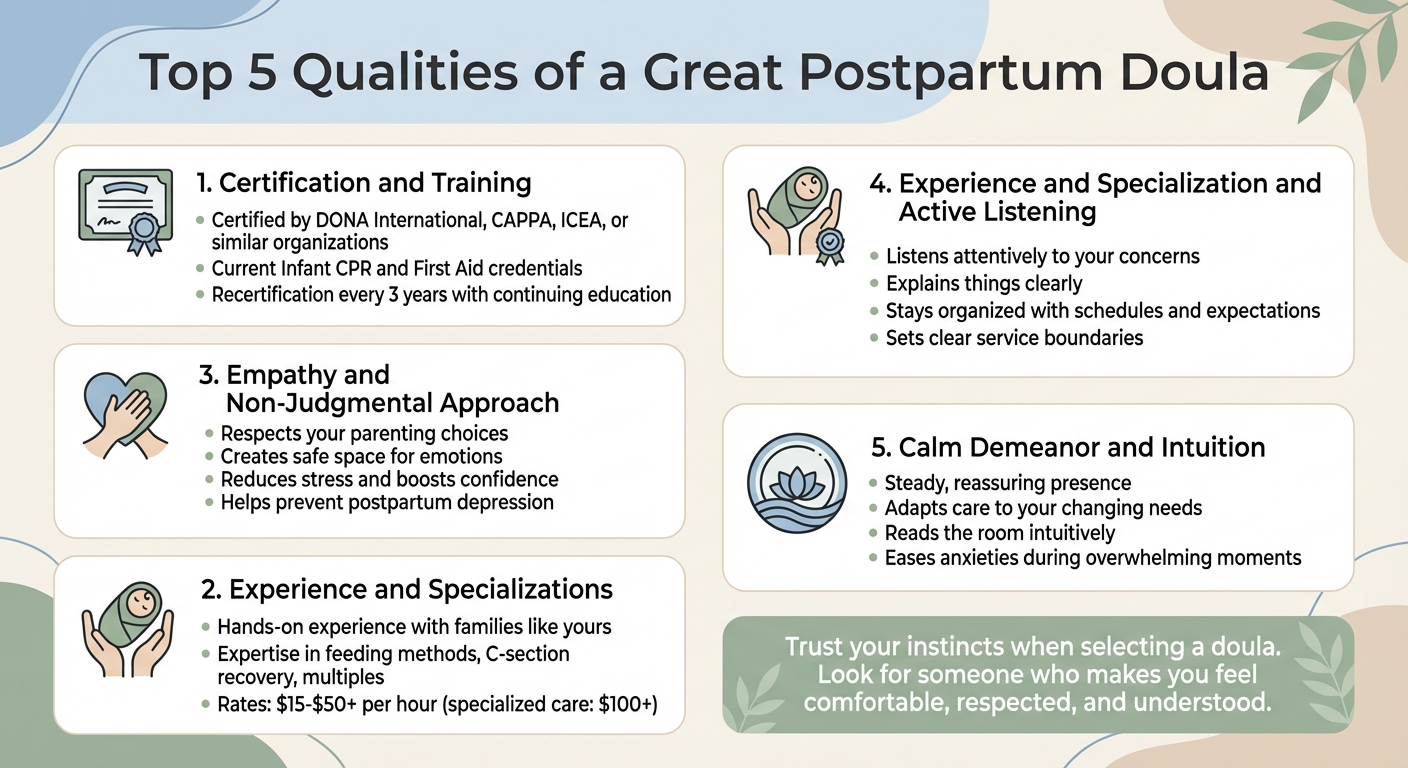
When choosing a postpartum doula, focus on these five key qualities to ensure the best support for your family:
- Certification and Training: Look for doulas certified by respected organizations like DONA International or CAPPA. Ensure they have current Infant CPR and First Aid credentials, as well as up-to-date training in postnatal care, newborn support, and family adjustment.
- Experience and Specializations: A doula's hands-on experience matters. Ask about their work with families like yours, including feeding methods, C-section recovery, or caring for multiples. Rates range from $15 to $50+ per hour, depending on their expertise.
- Empathy and Non-Judgmental Approach: A supportive doula respects your parenting choices and creates a safe space for your emotions. This helps reduce stress and boosts confidence during the postpartum period.
- Clear Communication and Active Listening: Effective doulas listen attentively, explain things clearly, and stay organized. They ensure everyone is on the same page about schedules, services, and expectations.
- Calm Demeanor and Intuition: A steady, reassuring presence can ease anxieties. Great doulas adapt their care to your needs, offering help or quiet support as required.
These qualities create a supportive environment for recovery and adjustment, helping you feel confident and cared for in your parenting journey. Always trust your instincts when selecting a doula. Look for someone who makes you feel comfortable, respected, and understood.
5 Essential Qualities of a Great Postpartum Doula
How to Find the Right Doula for You | Questions to Ask & Qualities to Look For
Understanding how a postpartum doula helps during the first 40 days can help you decide if this support is right for your family.
sbb-itb-9ce2258
1. Certification and Training
Providing quality care starts with ensuring caregivers have the right expertise. When bringing a postpartum doula into your home during such a delicate time, it's crucial to confirm they’ve been trained to support you safely and effectively. Certified postpartum doulas undergo specialized coursework covering evidence-based infant feeding, postpartum recovery, newborn care, and family adjustment. Certification standards ensure that this training is thorough and reliable.
In the U.S., organizations like DONA International, CAPPA, ICEA, BirthWorks International, and the International Doula Institute (IDI) set the bar for certification. Their programs include structured training, hands-on experience with 2–3 families (spanning 6–8 hours each), and up-to-date certifications in Infant CPR and First Aid.
It’s important to note that certification qualifies doulas to provide non-medical support. They are trained to recognize when a situation requires professional intervention - whether it’s consulting a doctor, seeking help from an International Board Certified Lactation Consultant (IBCLC) for complex feeding issues, or referring a client to a mental health professional for postpartum depression.
"After I completed my certification with DONA International as a birth doula, my clientele doubled. Now I am pursuing postpartum doula certification with DONA, because I know the program offers the education and skills I need to become the best postpartum doula I can be." – Mychal Balazs, CD(DONA)
When interviewing doulas, always ask to see their certification and confirm they have current CPR credentials. Many programs also require recertification every three years, which involves continuing education to keep their skills up to date.
2. Experience and Specializations
While certification confirms a doula's formal training, it’s their real-world experience that truly demonstrates their ability to provide effective care. Hands-on experience shows how well a doula can apply their knowledge in various, sometimes unpredictable, situations. Together, certification and practical experience enable a doula to deliver thoughtful and supportive care.
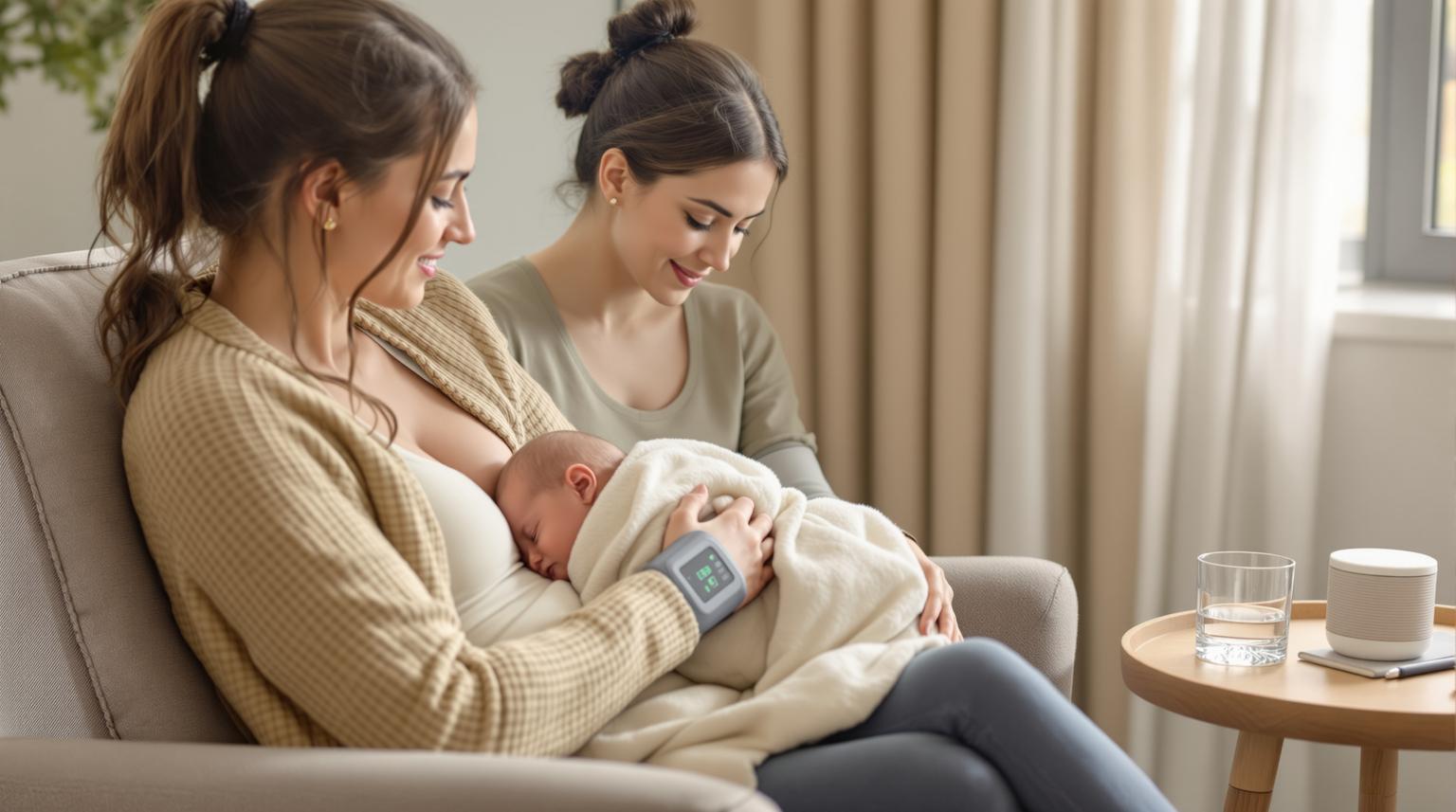
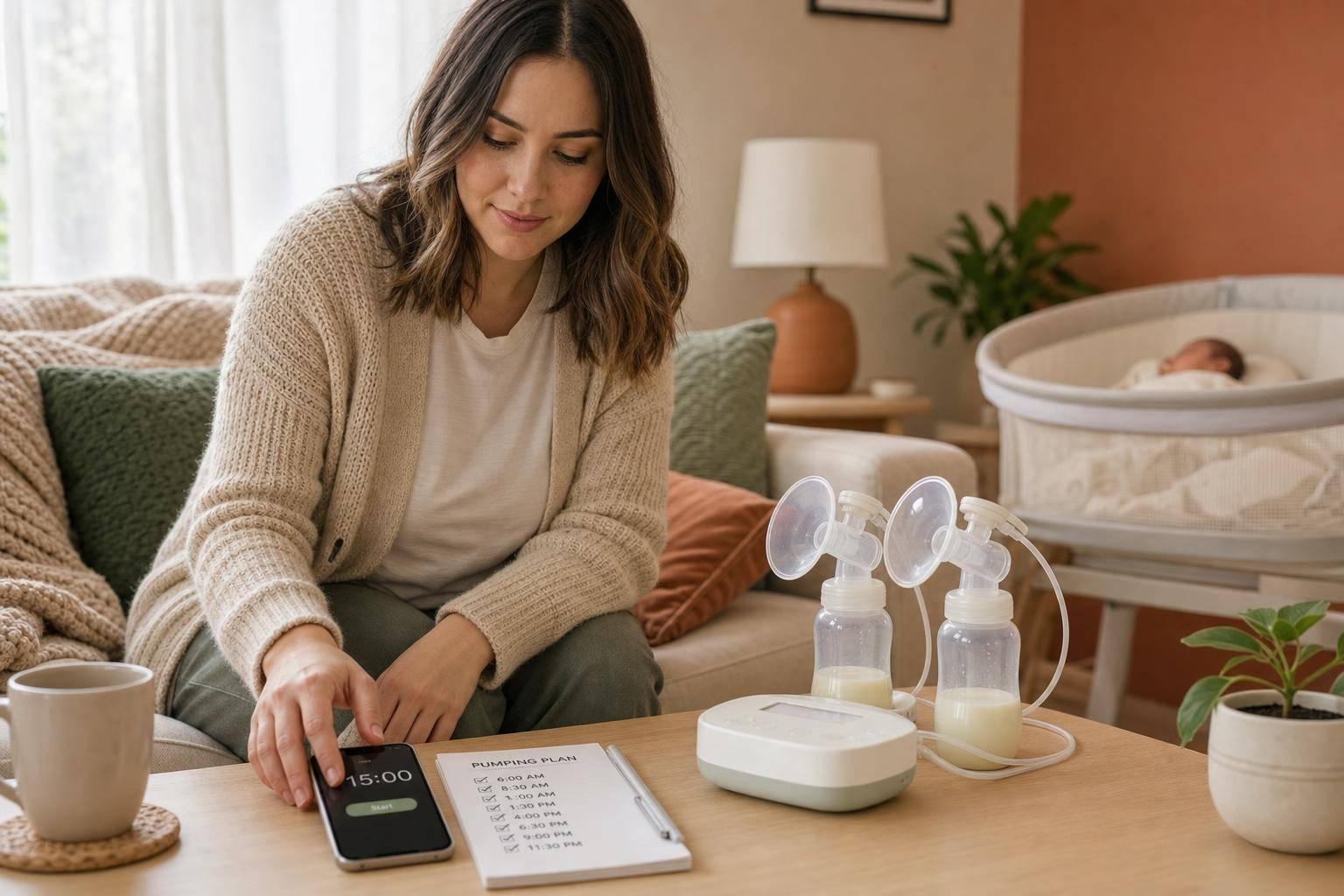
When selecting a doula, focus on those with broad experience in newborn care essentials, such as soothing techniques, bathing, diapering, and recognizing what’s typical versus what might require attention . If you’re planning to breastfeed, bottle-feed, or pump, look for someone who has worked with families across these feeding methods. They should be skilled in assisting with latch, positioning, maintaining milk supply, and safely storing milk .
It’s also important to align a doula’s expertise with your specific needs. Whether you’re managing multiples, navigating a NICU transition, or recovering from a C-section or other complications, a doula with specialized experience in these areas can be invaluable .
"A postpartum doula is trained to mother the parent so they can mother their baby." – Katrina Nelson, Postpartum Doula
This quote highlights the value of asking about a doula’s hands-on experience during interviews. Be sure to inquire about their work with families similar to yours - asking about the number of families they’ve supported, the age ranges of the babies, and the feeding methods they’ve assisted with. You might also want to know if they’ve cared for siblings or provided overnight support. Typically, postpartum doulas assist families for a few days to several weeks, often working 1 to 5 days per week. Rates vary widely, ranging from $15 to $50 per hour, with those offering advanced, specialized care charging $100 or more .
3. Empathy and Non-Judgmental Approach
While technical expertise is important, emotional support plays a huge role in the postpartum period. The early days of parenting can be emotionally intense, and a great doula creates a safe, accepting space for your parenting choices. Whether it’s how you feed your baby, your sleep arrangements, or your overall parenting style, a supportive doula respects your decisions - even if they differ from their own preferences.
Empathy isn’t just about being kind - it’s about truly validating your emotions during this life-changing time. As Allison Coleman, a Postpartum Doula Trainer, puts it:
"Nonjudgmental listening and space-holding is validating for parents as they navigate the complexities of their postpartum period".
This type of support can make a world of difference. It helps ease the feelings of overwhelm, boosts your confidence as a parent, and fosters a stronger bond between you and your baby. In fact, research highlights that parents who feel supported by a doula are less likely to experience postpartum depression. By caring for parents, doulas also help strengthen the family as a whole.
When meeting potential doulas, it’s worth asking how they might handle situations where your parenting choices don’t align with their usual recommendations. A truly non-judgmental doula will focus on empowering your decisions rather than pushing their own. As Aliza Juliette Bancoff, Founder of the International Doula Institute, explains:
"A good doula never judges a mother for the choices she makes".
Look for a doula who combines empathy with emotional intelligence. They should be able to adapt to your changing needs, offering encouragement and affirmations while leaving their personal biases behind. The right doula makes you feel acknowledged, supported, and respected - building a solid foundation for your postpartum journey.
4. Clear Communication and Active Listening
A doula’s expertise goes beyond credentials - it’s about how well they communicate and connect with you. During those early, often overwhelming weeks, you need someone who listens attentively to your concerns and explains things in a way that feels manageable. This kind of communication lays the groundwork for the emotional and logistical support that’s so vital in postpartum care.
At the heart of this is active listening. Active listening means being fully present. As Aliza Juliette Bancoff, Founder of the International Doula Institute, explains, "When you are there, you are physically and mentally there... Avoid distractions unless the mother requests personal time". A skilled doula focuses entirely on your needs, setting aside personal distractions. They ask thoughtful, open-ended questions like, "How are you experiencing your current circumstances?" to genuinely understand what matters most to you.
Clear communication also involves staying organized and proactive. Your doula should talk through schedules, backup plans, contracts, and rates ahead of time. If conflicts arise - like an illness or attending another birth - they should inform you as soon as possible and provide details about their backup plan. Allison Coleman, a Postpartum Doula Trainer, highlights the importance of this approach: "Clear, kind communication makes families feel seen, heard, and respected. This is invaluable! It is also important to communicate in direct and concise ways".
Setting clear service boundaries early on helps avoid confusion and builds trust. A great doula will check in regularly to adapt their support to your changing needs. For instance, one day you might need help with breastfeeding, while another day you may just need a chance to rest. Defining what’s included in their services is equally important. For example, "light housekeeping" might cover washing pump parts and folding baby clothes, but it doesn’t extend to cleaning up after a family gathering. Clear communication ensures everyone is on the same page, making the postpartum experience smoother for everyone involved.
5. Calm Demeanor and Intuition
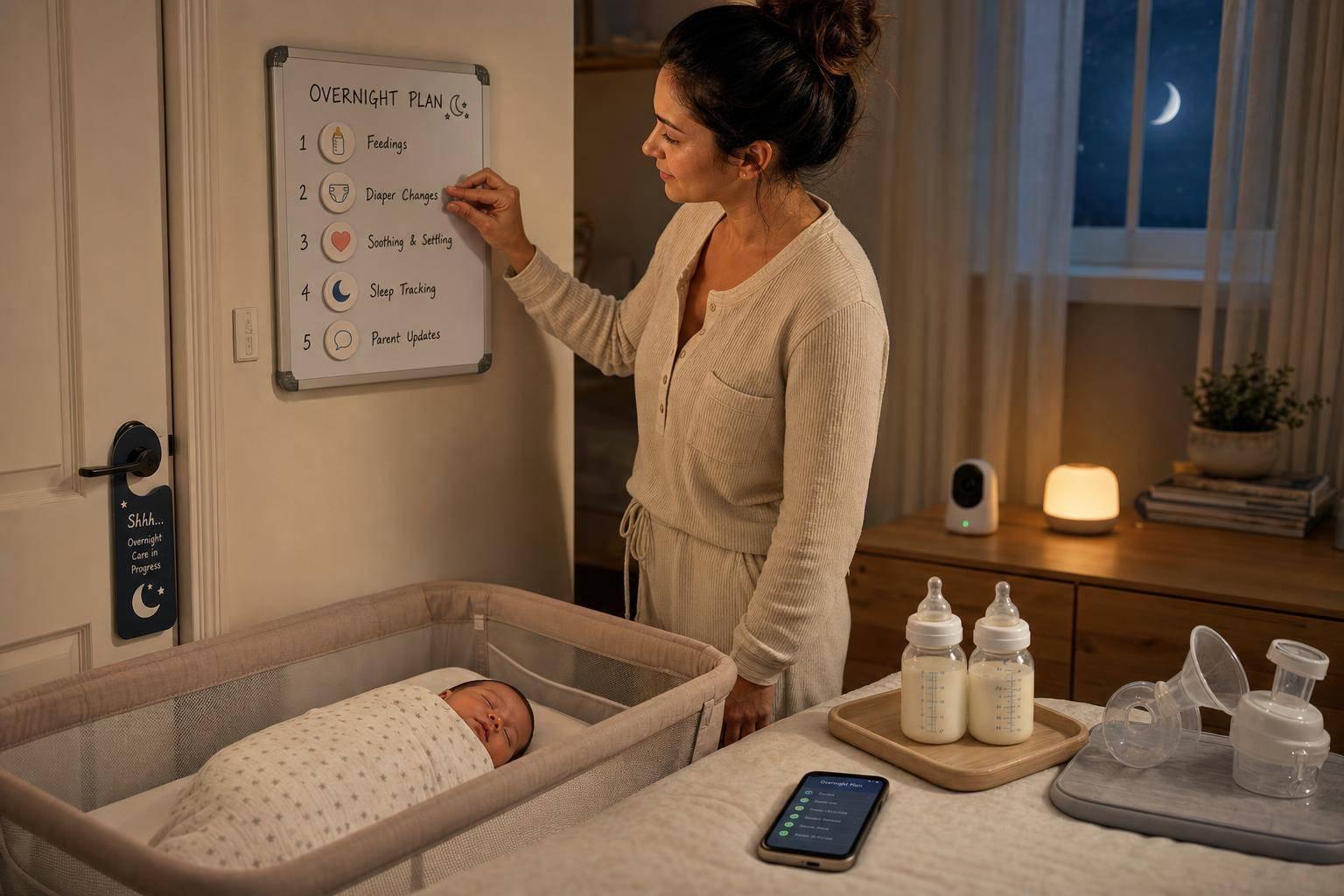
The postpartum period can feel like a whirlwind. One minute, you're soothing a crying baby at 3:00 a.m.; the next, you're navigating sudden changes in your newborn’s behavior. During these chaotic moments, a doula's calm and steady presence can make all the difference. Their confidence and composure often have a grounding effect on parents. As Allison Coleman, a Postpartum Doula Trainer, puts it:
"When they [doulas] show up with confidence, parents feel that and can also absorb some of that".
But this calming presence goes beyond just staying composed. A skilled doula brings a sense of emotional safety into your home, helping to ease anxieties and create a supportive atmosphere. This is especially crucial in those early weeks, when exhaustion and the emotional rollercoaster of the "baby blues" can take hold. Their steady energy naturally blends with an intuitive approach that adjusts to the needs of the moment.
A doula’s intuition shines in their ability to read the room - offering hands-on help one day and simply being a quiet, reassuring presence the next [16]. Coleman highlights this thoughtful approach:
"Patience helps a doula move slowly, perceptively, and with care, so that they can best meet their clients' needs on any given day".
This perceptiveness allows doulas to anticipate what you need, often before you even realize it yourself. By tapping into emotional intelligence, they support not just you, but your entire family - including your partner and other children. Their intuitive care strengthens your own parenting instincts, helping you feel more capable and confident in your new role. These qualities seamlessly complement the broader support a postpartum doula provides, as discussed in earlier sections.
How Nestling Ensures These Qualities
Nestling connects families with doulas who meet high standards, ensuring they possess the skills and qualities essential for providing exceptional care.
Every doula in the Nestling network goes through a thorough verification process. This includes confirming that they’ve completed approved training programs from respected organizations like DONA International or NAPS Doulas. Nestling also verifies their certifications - whether digital or physical - earned through both classroom instruction and hands-on training. On top of that, doulas are required to maintain liability insurance, have current infant CPR certification, and, for NAPS-certified doulas, complete recertification every three years through continuing education. This careful process ensures each doula meets professional standards to support families effectively.
But credentials aren’t the only focus. Nestling also looks at real-world experience and specialized skills. This includes assessing how long a doula has been practicing, the number of families they’ve supported, and their expertise in areas like C-section recovery, caring for multiples, or postpartum mental health. Nestling even evaluates softer skills, ensuring doulas provide compassionate, unbiased emotional support.
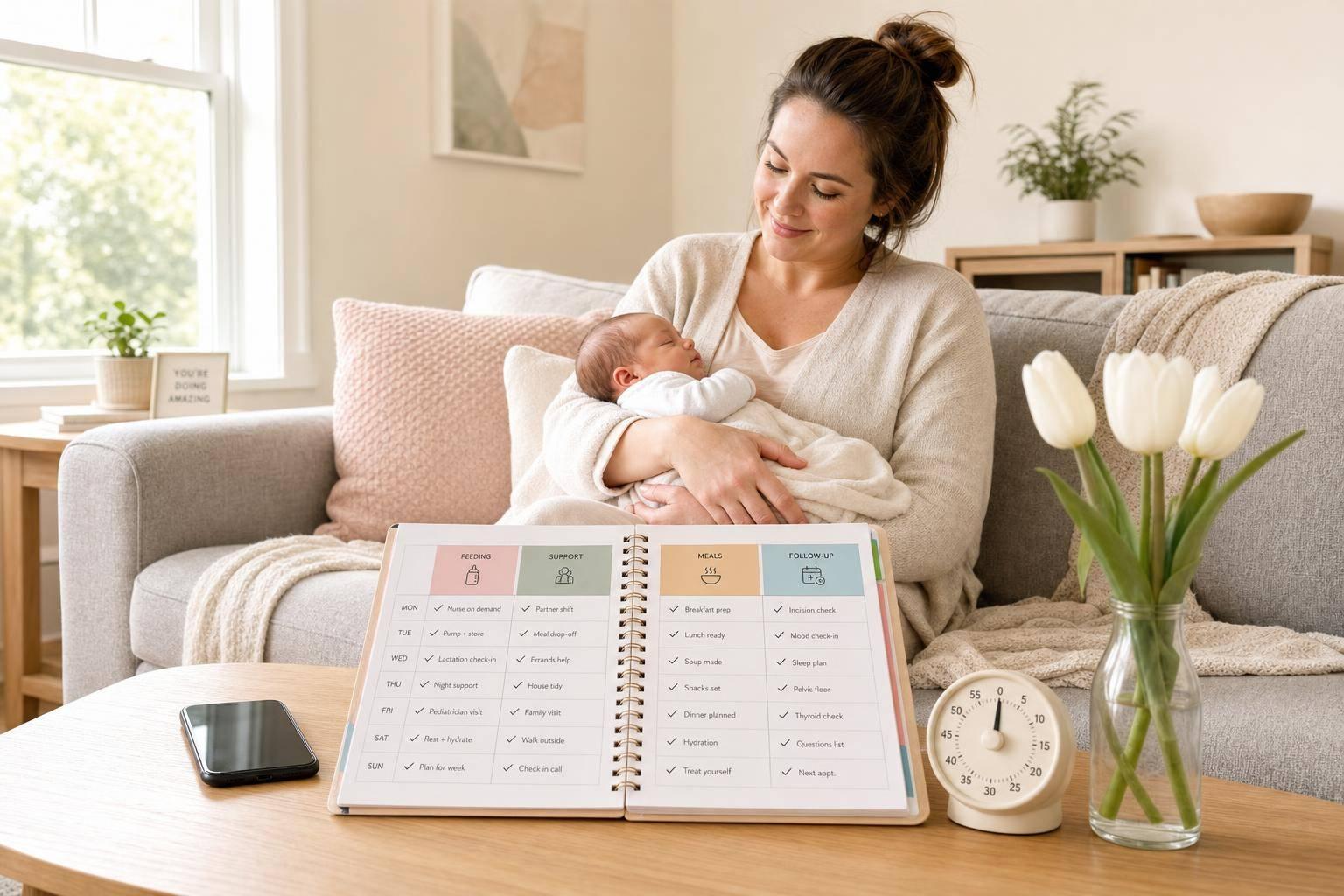
Families also benefit from tailored care plans designed to meet their specific needs. Whether it’s sibling care, breastfeeding guidance, or light household assistance, these plans adapt to your postpartum journey. Nestling offers flexible booking options, including daytime care, live-in support, and backup care if your primary doula isn’t available. With a secure payment system and ongoing feedback opportunities, families are supported every step of the way.
Conclusion
Finding the right postpartum doula goes beyond checking off a list of qualifications. The most effective doulas combine professional expertise with a deep sense of empathy - they understand when to step in with practical help and when their presence as a compassionate listener is what’s needed most. These qualities work together to provide the kind of support that leaves a lasting impression during the early days of parenthood. It’s this thoughtful balance of skills and understanding that addresses both the practical and emotional aspects of postpartum care.
Studies highlight that having a doula can boost parental confidence and overall well-being, while also improving postpartum mental health and fostering stronger parent–baby connections. As one seasoned doula put it:
"The doula's role is to be an empathetic, nonjudgemental, nurturing professional, carefully trained to support the new parent and family in the early postpartum period." - The Nurturing Heart Doula
When you’re meeting potential doulas, trust your gut. Pay attention to how comfortable you feel around them and ask about their experience with situations similar to your own. Look for someone who makes you feel understood and supported - without adding pressure or judgment. A doula like this becomes more than just a helper; they become a trusted ally in your journey, easing your physical recovery, helping you navigate emotional shifts, and building your confidence as a new parent.
FAQs
How can I verify a postpartum doula's certification?
To confirm a postpartum doula's certification, make sure it’s issued by a well-known U.S. certifying organization. Trusted names include DONA International and the National Doula Certification Board (NDCB), both of which require formal training, practical experience, and regular recertification. A valid certification reflects the doula's dedication to professional standards and their knowledge of postpartum care.
Ask to see their certificate, check the expiration date, and ensure it specifically covers postpartum support - not just birth doula training. Additional skills, such as infant CPR certification or lactation consulting, can further enhance the quality of care they provide.
If you want an easier way to find reliable postpartum doulas, Nestling offers a service that connects families with thoroughly vetted professionals. These doulas meet strict certification and credentialing requirements, giving you peace of mind about your caregiver’s qualifications.
How do I determine if a postpartum doula is experienced with my family's specific needs?
When assessing a postpartum doula's background, inquire about their training, certifications, and experience working with families in situations like C-section recovery, caring for twins or multiples, or providing lactation support. It’s also helpful to ask for specific examples of how they’ve managed these scenarios. Additionally, requesting references from past clients can give you a clearer picture of their skills and approach.
Why is empathy such an important quality in a postpartum doula?
Empathy plays a key role in postpartum care, enabling doulas to genuinely connect with and address the specific needs of each family. By providing unwavering support and emotional comfort without judgment, they create an environment where new parents feel valued and understood.
This kind of care not only helps build parents' confidence but also nurtures the growing connection between parent and baby. Additionally, empathy can contribute to lowering the chances of postpartum depression, making it an essential element of meaningful postpartum support.


 Sign up with Google
 Sign up with Facebook