
Complete Guide to Pelvic Floor Therapy After Birth
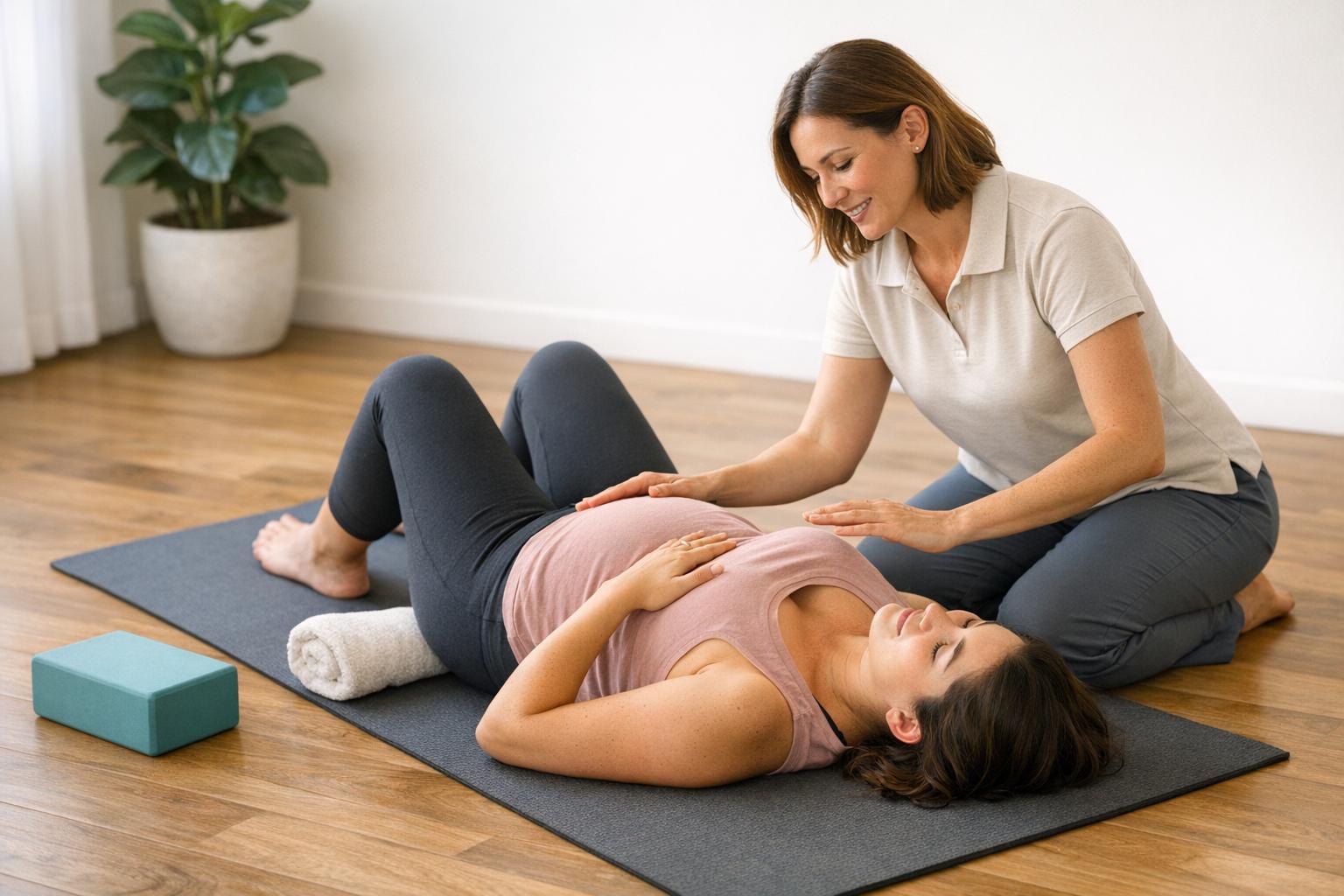
Complete Guide to Pelvic Floor Therapy After Birth
For many new and expecting parents, the postpartum period is a time of joy, adjustment, and learning. But amid the whirlwind of caring for a newborn, many mothers face a silent, often misunderstood challenge: pelvic floor dysfunction. From urinary leakage to pain with intimacy, these issues can significantly impact both the physical and emotional well-being of postpartum women. Thankfully, pelvic floor therapy offers a path to relief and recovery - but navigating this realm can be confusing.
In this article, we’ll explore the vital role pelvic floor therapy plays after childbirth, debunk common myths, and provide practical advice on finding the right specialist. Whether you're a first-time parent or adding another bundle of joy to your family, this guide will empower you to prioritize your health and regain confidence in your body.
Why Pelvic Floor Therapy Matters
The pelvic floor is a group of muscles and connective tissues that act as a supportive sling for your pelvic organs. During pregnancy and childbirth, these muscles endure immense strain, which can lead to dysfunction. Symptoms of pelvic floor dysfunction vary but may include:
- Urinary incontinence (leaking when sneezing, coughing, or laughing)
- Constipation or diarrhea
- Pain with intimacy
- A general lack of interest in intimacy
- A feeling of pressure or prolapse (where organs like the bladder or uterus shift downward)
As Dr. Amy, a seasoned orthopedic manual physical therapist, explains, these symptoms aren’t isolated occurrences - they’re your body’s way of signaling that something is amiss. Importantly, she emphasizes that the pelvic floor doesn’t operate in isolation. It’s deeply interconnected with the rest of the body, and dysfunction often stems from misalignments or trauma in other areas, such as the hips, lower back, or sacroiliac (SI) joints.
Beyond Kegels: Rethinking the Approach to Recovery
One of the most persistent myths about pelvic floor dysfunction is that it stems from muscle weakness and can be resolved with Kegel exercises. However, Dr. Amy warns that this advice is not only oversimplified but potentially harmful in many cases.
"Kegel exercises are often prescribed without fully understanding the root cause of the dysfunction", Dr. Amy explains. "But in my experience, tightness - not weakness - is often the real issue. Forcing tight muscles to contract further can exacerbate the problem rather than resolve it."
This misdiagnosis is particularly concerning for postpartum women. For example, one of Dr. Amy’s patients developed a prolapse after the birth of her fourth child. Early intervention helped her recover mobility and reduce symptoms. However, after switching to a provider who prescribed an hour of Kegel exercises during an evaluation, the patient’s prolapse returned, leaving her in severe distress.
This story highlights a critical takeaway: effective pelvic floor therapy requires a nuanced, whole-body approach. The goal isn’t just to address symptoms but to identify and treat the underlying cause of dysfunction.
sbb-itb-9ce2258
How to Find a Skilled Pelvic Floor Therapist
Choosing the right pelvic floor therapist is an essential step in your postpartum recovery journey. Here are some key factors to consider when selecting a specialist:
1. Look for a Holistic Approach
The pelvic floor is part of a larger system, and dysfunction often has roots in other areas of the body. Your therapist should conduct a thorough evaluation of your medical history, including any past traumas (such as childbirth injuries or orthopedic issues) that may contribute to the problem.
2. Beware of Over-Reliance on Kegels
If a therapist focuses solely on Kegel exercises without assessing whether your pelvic floor is tight or weak, this could be a red flag. Effective therapy often involves techniques for relaxing and retraining muscles, rather than relying on contraction-based exercises.
3. Evaluate Their Training and Experience
While pelvic floor therapy is gaining recognition, not all practitioners are equally equipped. Seek therapists with specialized training in women’s health and manual therapy, rather than those who rely heavily on biofeedback machines or generic protocols.
4. Emphasize Early Intervention
If you’re experiencing symptoms, don’t wait. Early intervention can prevent issues from worsening and speed up recovery. As Dr. Amy’s patient demonstrated, starting therapy shortly after childbirth can yield remarkable results, even for severe conditions like prolapse.
A Better Alternative to Kegels
For those struggling with pelvic floor dysfunction, Dr. Amy recommends an alternative exercise that engages the deep hip internal and external rotators. These muscles work in tandem with the pelvic floor, creating a passive contraction and relaxation effect that can both strengthen and relax the area.
Unlike Kegels, which are difficult to perform correctly, this exercise is easier to master and more effective for addressing common postpartum issues. While the specific details of the exercise weren’t outlined in the video, it underscores the importance of exploring approaches beyond conventional wisdom.
Key Takeaways
- Pelvic floor dysfunction is common after childbirth, but it’s not something you have to endure. Symptoms like urinary leakage, pain, and prolapse are signals that your body needs support.
- Kegel exercises aren’t a one-size-fits-all solution. In many cases, pelvic floor tightness - not weakness - is the root cause of dysfunction.
- Choose a therapist who understands the whole-body connection. Your pelvic floor doesn’t operate in isolation, and treating the entire system leads to better outcomes.
- Early intervention is crucial. Don’t wait for symptoms to worsen - seek professional help as soon as you notice signs of dysfunction.
- Advocate for your care. If a treatment approach doesn’t feel right or causes discomfort, trust your instincts and seek a second opinion.
- Alternative exercises that engage the deep hip rotators may provide better results than traditional Kegels, especially for those with tension-related pelvic floor issues.
Conclusion
Recovering from childbirth is a deeply personal journey, and pelvic floor therapy can be a transformative tool for regaining physical and emotional well-being. By understanding the complexities of pelvic floor dysfunction and seeking skilled, compassionate care, new and expecting mothers can reclaim their confidence and enjoy the activities they love. Remember, your health is worth prioritizing - because when you feel your best, you’re able to give your best to your growing family.
Source: "The Truth About Pelvic Floor Therapy You Need to Know" - Physical Therapy for Everybody, YouTube, Mar 18, 2025 - https://www.youtube.com/watch?v=SO38qnXroS8









 Sign up with Google
 Sign up with Facebook