
How to Heal Your Pelvic Floor After Birth: 5 Expert Tips
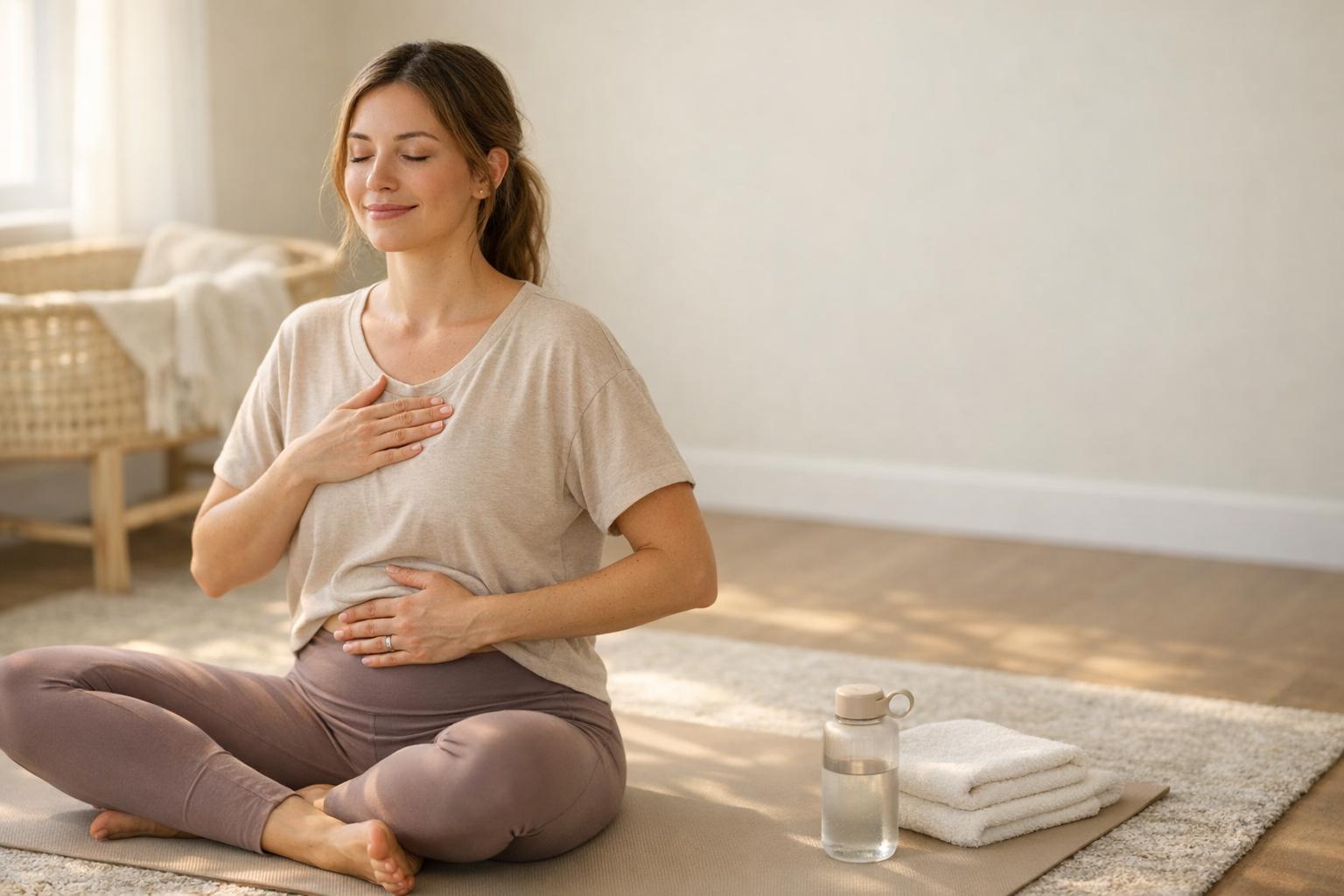
How to Heal Your Pelvic Floor After Birth: 5 Expert Tips
The postpartum journey is transformative, but it often comes with challenges that many new moms are unprepared for. Among these challenges, pelvic floor health is a critical yet overlooked aspect of recovery. Whether you’ve experienced urinary incontinence, pelvic pain, or a feeling of heaviness after delivery, understanding and supporting your pelvic floor is essential for a smooth postpartum recovery.
Dr. Sarah, a board-certified OB/GYN and mother of three, shares her professional expertise and personal experiences to guide new moms through the process of healing their pelvic floors. With evidence-based advice and practical strategies, here’s everything you need to know about your pelvic floor post-birth and how to recover effectively.
The Pelvic Floor: Why It Matters
The pelvic floor is an intricate and powerful group of 28 muscles that serve as the foundation of your core. These muscles perform vital functions, such as:
- Supporting your pelvic organs (bladder, uterus, and rectum)
- Controlling bowel and bladder movements
- Contributing to sexual satisfaction
- Stabilizing your spine and pelvis
During pregnancy and childbirth, the pelvic floor undergoes significant strain. Vaginal deliveries, cesareans, or prolonged labor can lead to weakened muscles, nerve damage, or even pelvic organ prolapse. These changes often manifest as issues like urinary incontinence, pelvic pain, or a sensation of heaviness. However, the good news is that these challenges are manageable and often reversible with the right care.
sbb-itb-9ce2258
The Postpartum Pelvic Floor: Common Issues
Here are some common pelvic floor problems women may encounter postpartum:
- Urinary Incontinence: Nearly one in three women experience postpartum urinary incontinence. While most cases resolve naturally within a year, some require targeted exercises or therapy.
- Pelvic Organ Prolapse: This condition occurs when weakened pelvic floor muscles allow organs like the bladder or uterus to shift downward, causing discomfort.
- Pelvic Pain: Pain can stem from muscle strain, nerve injury, or scar tissue.
- Back and Hip Pain: A weakened pelvic floor often destabilizes the body’s core, leading to pain in surrounding areas.
- Sexual Discomfort: Many women report pain or lack of sensation during intercourse after birth, often linked to pelvic floor dysfunction.
While these issues are common, they’re not conditions you need to endure. With proper care and attention, your body can heal and regain strength.
5 Expert Tips to Heal Your Pelvic Floor After Birth
1. Start Gentle Pelvic Floor Exercises Early
Why It’s Important: Activating your pelvic floor muscles shortly after birth helps rebuild strength and coordination. However, it’s not just about clenching - proper technique matters.
How to Begin:
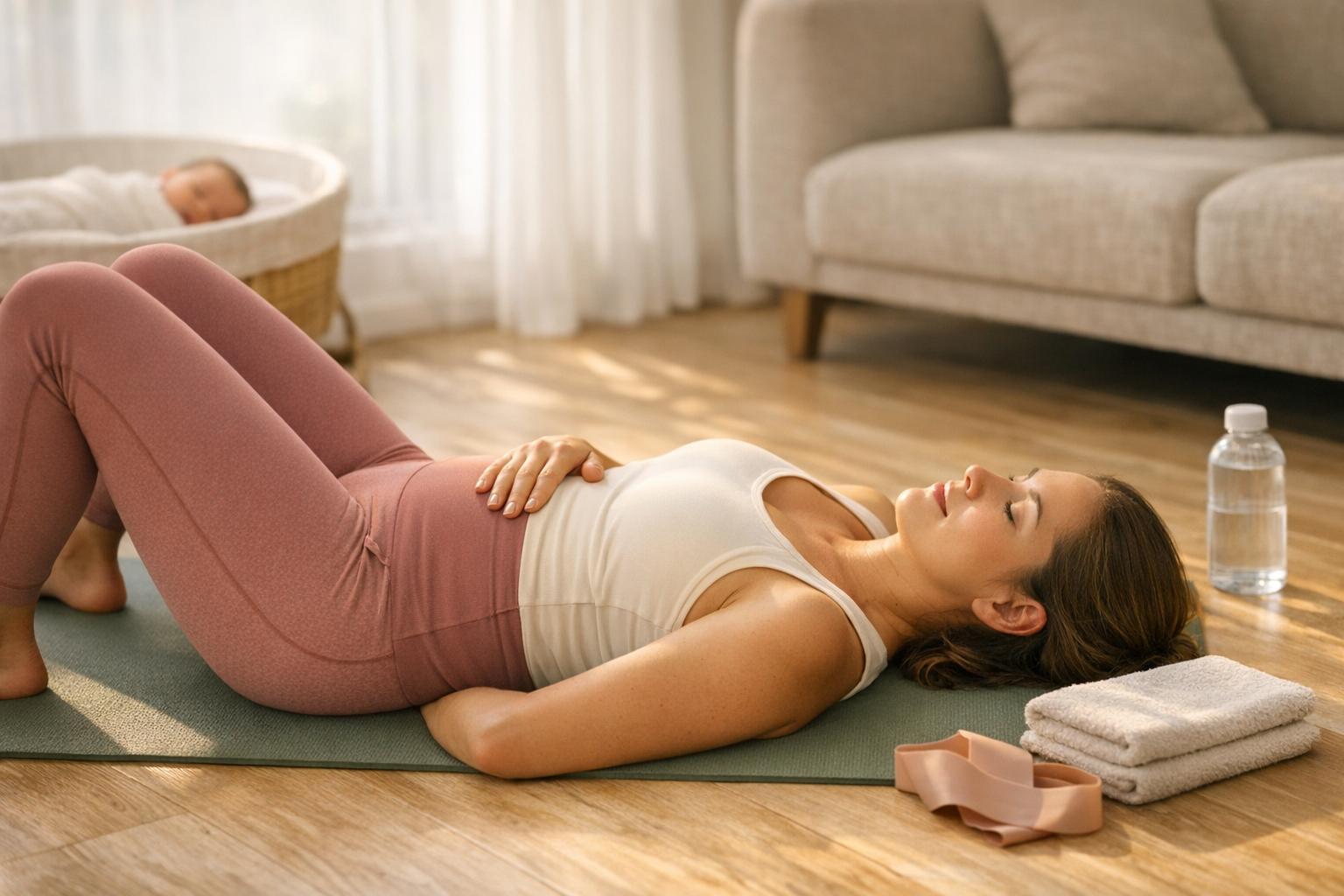
- Core Breath Work: Focus on slow, controlled breathing while gently engaging and releasing your pelvic muscles. Avoid holding your breath or over-clenching.
- Timing: If you’ve had an uncomplicated vaginal delivery, you can start these gentle movements just days after birth. Consult your healthcare provider if you’ve had a cesarean or complications.
Pro Tip: Work with a pelvic floor physical therapist to ensure you’re engaging the muscles correctly.
2. See a Pelvic Floor Physical Therapist
Why It’s Important: Just like physical therapy is essential after a sports injury, pelvic floor therapy is invaluable for postpartum recovery. A therapist can assess your unique needs and guide you in strengthening, relaxing, and coordinating your pelvic muscles.
Benefits:
- Improves bladder and bowel control
- Restores core stability
- Addresses pain or discomfort during intercourse
- Prevents long-term complications like prolapse
You don’t need to wait for a problem to arise - pelvic floor therapy is a proactive tool for healing.
3. Avoid Rushing Back to High-Impact Exercise
Why It’s Important: While it’s natural to want to regain your pre-baby fitness, returning to intense exercise too soon can strain the pelvic floor and worsen symptoms.
Guidelines:
- Stick to low-impact activities such as walking or postpartum yoga.
- Focus on core breathing and functional movement to rebuild strength gradually.
- The American College of Obstetricians and Gynecologists (ACOG) recommends waiting at least 12 weeks before resuming high-impact activities like running or weightlifting - and even then, easing in slowly.
4. Prioritize Postpartum Self-Care
Why It’s Important: The postpartum period is demanding, so taking care of yourself is crucial for recovery. Simple tools and habits can make a significant difference for your pelvic floor.
Essentials for Healing:
- A Perineal Bottle: Helps you clean gently without irritating stitches or sensitive areas.
- Ice Packs: Reduces swelling and soothes soreness in the perineal area.
- Stool Softeners: Prevents straining during bowel movements, which can put pressure on healing muscles.
- Hydration & Fiber: Keeps your digestive system running smoothly and prevents constipation.
5. Focus on Posture and Functional Core Engagement
Why It’s Important: Poor posture or improper movement patterns can increase pressure on your pelvic floor, delaying recovery.
Tips for Everyday Movements:
- Exhale During Lifting: Whether you’re picking up your baby or a heavy diaper bag, exhale and engage your core to protect your pelvic floor.
- Avoid Slouching: Maintain upright posture when sitting or standing to reduce strain.
- Strengthen the Transverse Abdominis: This deep core muscle supports your pelvic floor and helps stabilize your entire body.
Small adjustments in your daily routine can have a profound impact on your recovery.
Every Recovery Is Unique
Dr. Sarah shares her personal journey of healing after three vaginal deliveries, each with its own challenges. Whether it was the heavy sensation after her first birth or unexpected urine leakage after her third, she emphasizes that postpartum recovery isn’t linear. Some physical experiences may resolve quickly, while others, like rebuilding strength, take time and patience.
The most important takeaway? Be compassionate with yourself. Your body has done something extraordinary. Give it the time, tools, and professional support it needs to recover fully.
Key Takeaways
- Understand Your Pelvic Floor: This group of 28 muscles is critical for bladder control, core strength, and overall stability.
- Common Postpartum Issues: Leaking, pain, or heaviness are common but treatable symptoms.
- Start Early with Gentle Exercises: Focus on coordination and breathing to activate your pelvic floor muscles effectively.
- Professional Help Matters: Pelvic floor physical therapy is a game-changer for recovery.
- Avoid High-Impact Workouts: Gradual, low-impact movements are safer during the early postpartum phase.
- Self-Care Is Essential: Tools like perineal bottles, ice packs, and stool softeners can ease physical discomfort.
- Posture and Core Engagement: Everyday movements play a role in supporting your pelvic floor.
- Recovery Takes Time: Patience and consistency are key. Speak to your provider if symptoms persist.
Postpartum recovery is a multifaceted journey, and pelvic floor health is a vital part of it. With Dr. Sarah’s expert advice, you can take proactive steps to heal and regain strength. Remember, you’re not alone - many mothers share this recovery path, and solutions are within reach. Trust your body, seek support when needed, and celebrate the incredible work your body has done. You’ve got this, mama!
Source: "OB/GYN's Top 5 Tips for Healing Your Pelvic Floor After Birth" - The Doctors Bjorkman, YouTube, May 30, 2025 - https://www.youtube.com/watch?v=NGkggtFGURk

 Sign up with Google
 Sign up with Facebook