
Lead your postpartum like you lead your biggest professional project

Lead your postpartum like you lead your biggest professional project
Managing postpartum recovery can feel overwhelming, but approaching it like a project can help you stay organized and reduce stress. Just as you would plan a major work initiative, you can create a structured postpartum care plan by assembling a support team, setting clear expectations, and preparing for unexpected challenges. This approach helps you focus on recovery and bonding with your baby.
Here’s how to get started:
- Build a care team: Combine professional support (doulas, lactation consultants, infant care specialists) and family help.
- Create a care plan: Assign roles, set schedules, and communicate clear expectations.
- Prepare for emergencies: Have backup caregivers ready and establish protocols.
- Use digital tools: Shared calendars and task apps simplify scheduling and communication.
- Invest in professional services: Postpartum doulas and specialists provide trained support for recovery and newborn care.
Postpartum Toolkit Overview: How to implement care resources/tools for providers and patients
Building Your Postpartum Care Team
Creating a postpartum care team means blending professional expertise with the personal support of family members to meet your specific needs. A well-rounded team not only aids in your physical recovery but also supports your emotional well-being during this transformative time.
Identifying Key Roles and Responsibilities
Your postpartum care team should consist of both professionals and family members, each contributing unique strengths. Recent statistics reveal that over 60% of new mothers in the U.S. rely on a combination of these supports during the first six weeks postpartum.
Here’s a breakdown of professional roles and their contributions:
- Postpartum doulas: They provide emotional support, guidance on newborn care, and help with household tasks. Their services typically cost $25–$50 per hour.
- Lactation consultants: These specialists assist with breastfeeding challenges and feeding routines, with individual sessions ranging from $100–$250.
- Infant care specialists: They help with sleep routines, feeding, bathing, and overall newborn care, charging $25–$50 per hour.
"Nestling brought Jackie into my life when I needed her most. For any new mom feeling lost - Nestling is the answer. Best decision I made postpartum." - Clara G., Prospect Heights
Family members also play an essential role by offering practical help and emotional support. Choose family members who are available, experienced with childcare, and willing to assist with tasks like meal preparation, errands, or simply providing companionship. They can also step in as backup when professional help isn't available.
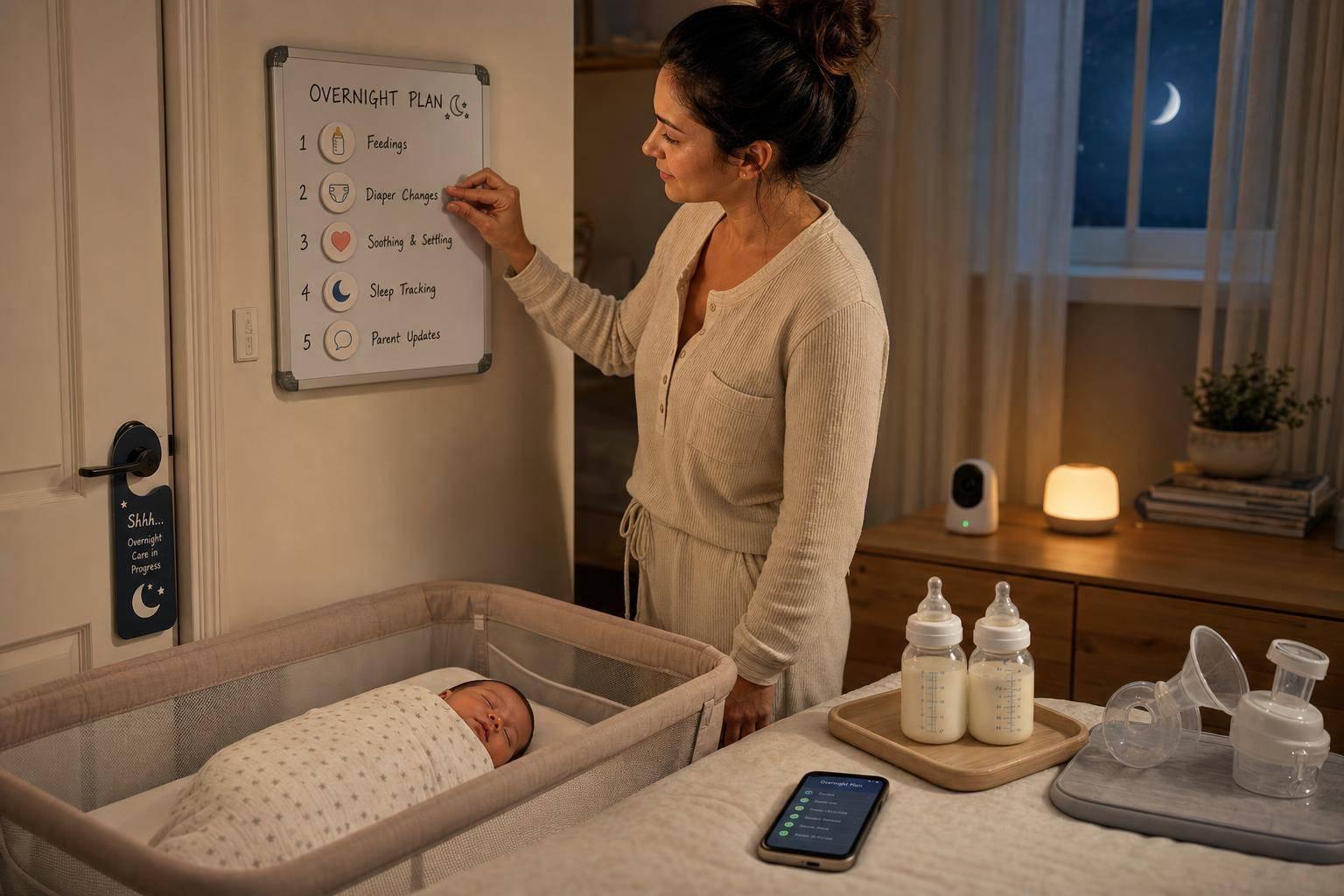
The key is ensuring these roles complement one another. For instance, a postpartum doula from Nestling might handle overnight newborn care and breastfeeding support, while a family member focuses on preparing meals and managing older siblings. This coordinated approach allows you to rest and recover, knowing your care team is working together to meet your needs.
Nestling simplifies this process by connecting families with vetted postpartum doulas, lactation consultants, and infant care specialists. You can interview multiple candidates to find the best match for your family. Once your team is in place, the next step is to create a care plan that sets clear expectations for everyone involved.
Setting Clear Expectations and Personalizing Care Plans
With your team assembled, it’s time to develop a detailed care plan to ensure smooth collaboration. A well-thought-out plan outlines specific roles, daily routines for feeding and sleep, emergency contacts, and any personal preferences, such as dietary or cultural needs.
Start by holding initial meetings with both professionals and family members. Use these discussions to clarify schedules, responsibilities, and boundaries. For example, you might assign overnight feedings (10 PM to 6 AM) to your postpartum doula, while a family member takes charge of meal prep and light housekeeping in the afternoons.
Regular check-ins are essential for maintaining alignment. Weekly team meetings can help address any concerns, celebrate progress, and make necessary adjustments. This proactive approach minimizes misunderstandings and keeps everyone focused on your recovery and your baby’s care.
Customization is key. Share your unique needs, health considerations, and emotional priorities with your team. If breastfeeding, ensure your lactation consultant and infant care specialist coordinate feeding schedules. If specific cultural practices are important for your postpartum recovery, communicate these clearly.
Studies show that women who received coordinated care from a team that included doulas and lactation consultants reported greater satisfaction and lower rates of postpartum depression compared to those without such support. This highlights the value of a well-organized team with clear expectations and a personalized approach to care.
Creating a Backup Care Plan
Postpartum care can be unpredictable. A 2022 survey revealed that 68% of new parents faced situations where their primary caregiver was unavailable during the first three months after birth. To navigate these challenges, it's smart to have a backup care plan in place. Think of it as the kind of contingency planning you'd use for any important project - designed to keep things running smoothly even when the unexpected happens.
Finding and Preparing Backup Caregivers
Start by building a network of backup caregivers, including both professionals and trusted personal contacts. This layered approach ensures you’ll have options when plans change unexpectedly.
Professional caregivers, like those found through platforms such as Nestling, are a great resource. These caregivers are thoroughly vetted with background checks, reference reviews, and interviews. They also come with certifications specific to newborn and maternal care and often sign NDAs to protect your privacy during this vulnerable time.
It’s a good idea to register with professional platforms ahead of time. For instance, Emma S. from Upper East Side was able to get immediate support when her baby arrived four weeks early because she had already signed up with Nestling.
"Nestling's got your back when you need it most." - Emma S., Upper East Side
Don’t overlook personal connections. Family members, close friends, or even neighbors with childcare experience can be invaluable. They can pitch in with household tasks, provide emotional support, or help with childcare. To stay organized, create a chart listing potential helpers, their availability, strengths, and contact details. Many OB/GYNs recommend this approach to manage tasks like grocery shopping, meal prep, laundry, and more during postpartum recovery.
Once you’ve identified your backup team, take the time to prepare them. Share details about your daily routines, feeding schedules, and any specific needs. Spending this time upfront will make things much easier when you’re in a pinch.
With your backup network in place, the next step is to establish clear emergency protocols.
Setting Up Emergency Protocols
Effective emergency protocols are crucial - they should be as detailed as any crisis plan you’d create for a major work project. The goal is to make sure backup caregivers can step in seamlessly without needing lengthy explanations during stressful moments.
Start by creating a written guide that covers everything a caregiver might need to know. Include your baby’s feeding and sleep schedules, medical information, and emergency contacts. Add details about household routines, where to find essential supplies, and any specific preferences or restrictions. Keep this guide in an easily accessible spot and share copies with all potential caregivers.
Practice sessions can help everyone feel more prepared. Invite backup caregivers to shadow your primary caregiver or spend time with your family while you’re around. These sessions allow them to get familiar with your routines and give you peace of mind.
Be sure to include medical emergency details in your plan. Provide contact information for your pediatrician, OB/GYN, and nearest hospital, along with instructions for accessing emergency services. Consider scenarios like power outages or severe weather, and outline clear steps for handling them. Regularly review and update these protocols to keep everyone on the same page.
Digital tools can make managing your backup care plan easier. Shared calendars, messaging apps, and care management platforms allow you to quickly communicate changes and ensure everyone has access to the latest information. These tools are especially helpful if multiple caregivers are involved.
Lastly, think about the costs. Professional postpartum doulas typically charge $25–$50 per hour, so it’s wise to budget for potential expenses. Some platforms offer package deals or emergency booking options, which can help you manage costs during unexpected situations.
Investing time and effort into a thorough backup care plan can significantly reduce stress and help you maintain focus on recovery. Research shows that families with doula support experience 25% fewer emergency pediatric visits and report 30% higher satisfaction with postpartum care. With a solid plan in place, you can concentrate on bonding with your baby instead of scrambling for last-minute help.
sbb-itb-9ce2258
Organizing Postpartum Schedules and Communication
Once your backup plan is ready, it’s time to focus on streamlining schedules and communication. Research from the American Academy of Pediatrics reveals that using digital tools for care coordination can reduce scheduling conflicts by 30% and significantly improve satisfaction during the postpartum period. This is especially important considering that over 60% of new mothers feel overwhelmed by household and caregiving duties during the first three months postpartum. On top of that, nearly 70% of working parents report stress from inadequate backup care and poor schedule management. The good news? These hurdles can be tackled effectively with the right organizational strategies. Let’s dive into how digital tools can help you stay on top of it all.
Using Digital Tools for Scheduling and Coordination
Digital tools like shared calendars (Google Calendar), task management apps (Todoist or Trello), and family platforms (Cozi) can act as your command center for tracking feeding schedules, appointments, and caregiver shifts. Start by setting up a shared Google Calendar and inviting all caregivers and family members. Use a simple color-coding system for tasks like feeding times, doctor visits, caregiver shifts, and even self-care moments - this makes the daily plan clear at a glance.
For task management, apps like Todoist can help assign and track responsibilities. Set up recurring reminders for things like daily medications, weekly grocery runs, or monthly pediatrician visits. Push notifications keep everyone on track and accountable. For instance, one family successfully used Cozi to coordinate between parents, a postpartum doula, and grandparents. By sharing feeding schedules, sleep routines, and household chores, they reduced stress and avoided missed appointments.
Keep essential information accessible by storing it in shared folders. Platforms like Google Drive or Dropbox are perfect for uploading feeding instructions, medication schedules, emergency contacts, and daily routines. This ensures that all caregivers have real-time access to crucial details.
Dividing and Clarifying Household Responsibilities
While digital tools help with scheduling, clearly dividing household tasks can further ease the load. Host a quick family meeting to list out key responsibilities - meal prep, laundry, baby care, grocery shopping, cleaning, and scheduling - and assign them based on each person’s strengths and availability. For example, one partner might handle meal planning while the other tackles laundry. Professional caregivers, such as those from Nestling, can also assist with light household tasks, easing the burden on family members.
To keep everyone accountable, create a visible tracking system. This could be a simple chart stuck on the fridge or a digital tool like Trello. Clearly note who’s responsible for each task and its due date. Rotating tasks weekly can help keep things balanced and prevent burnout.
Regular check-ins are key to maintaining harmony. Schedule a short, 15-minute family meeting each week to review what’s working, make adjustments, and address any concerns before they grow into bigger issues. You can also set up group chats through apps like WhatsApp or Slack for quick updates. For instance, if there’s a change in the baby’s feeding schedule or a caregiver needs to adjust their hours, everyone can be notified instantly.
Professional postpartum care services can simplify things even further. Platforms like Nestling offer personalized care plans that integrate seamlessly with digital scheduling tools. Their flexible booking options and clear communication channels ensure that all caregivers stay on the same page, significantly reducing the coordination workload for parents.
Lastly, don’t forget to prioritize self-care. Block out specific times for rest, exercise, or personal activities in your shared calendar, and treat these slots as seriously as doctor’s appointments. Ask your partner or other caregivers to step in during these times so you can take a breather. Proper rest isn’t just a luxury - it’s essential for recovery and mental well-being. By combining digital tools with clear task delegation, you can manage postpartum life like a pro, keeping stress levels low and recovery on track.
Using Professional Postpartum Care Services
Managing postpartum recovery can feel daunting, even with the help of digital tools and family support. This is where professional postpartum care services can make a real difference, turning an overwhelming experience into one that feels manageable. According to the American College of Obstetricians and Gynecologists (ACOG), postpartum care should last at least 12 weeks after birth. Yet, over 40% of women in the U.S. skip postpartum checkups, often due to a lack of resources or support. This gap underscores the growing importance of professional care services for families during this critical time. These services act as a bridge, combining expert support with your existing plans to create a more complete postpartum care strategy.
Benefits of Professional Care Services
Professional postpartum care services bring trained expertise and dependable support to your recovery. Platforms like Nestling connect families with experienced caregivers, including postpartum doulas, lactation consultants, and infant care specialists, all tailored to meet your specific needs.
These services go beyond the basics. For example, a postpartum doula can focus on your recovery and emotional well-being while also helping with light household tasks, giving you more time to rest and bond with your baby. Lactation consultants tackle breastfeeding challenges using proven techniques, while infant care specialists help establish routines that fit your family’s lifestyle.
Flexibility is another key advantage. Professional care services often offer daytime, overnight, and even live-in options. This adaptability becomes essential when unexpected situations arise or your usual support system isn’t available.
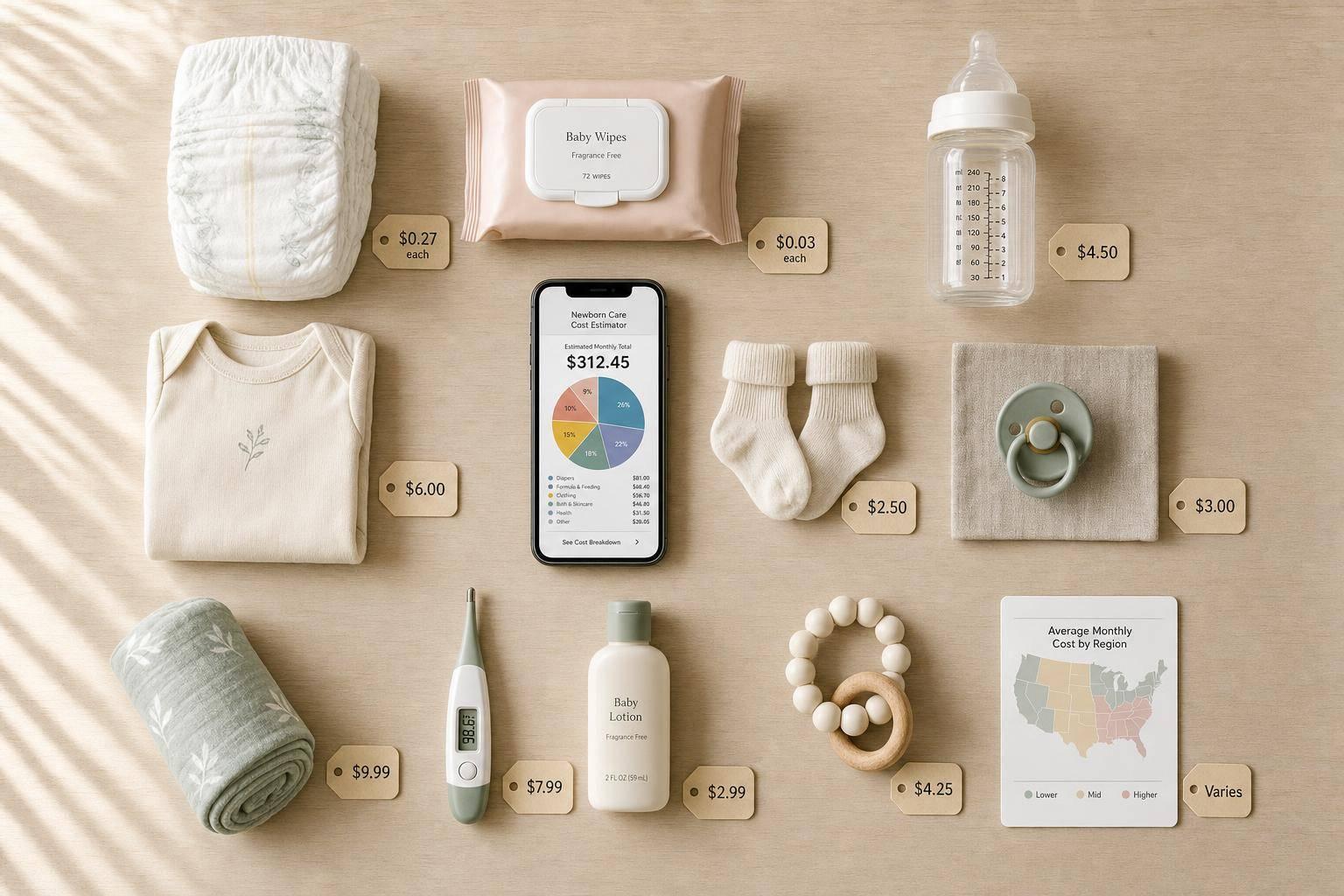
Costs for these services typically range from $25 to $50 per hour for postpartum doulas and newborn care specialists, with overnight care priced higher. While it’s an investment, many families find the peace of mind and expert guidance well worth the expense during those critical early weeks.
How Professional Services Provide Peace of Mind
One of the standout benefits of professional postpartum services is the confidence they bring. Unlike informal help, these services come with accountability and rigorous screening processes. Platforms like Nestling ensure caregivers are thoroughly vetted through background checks, credential verification, and reference reviews. This means you can trust that the person supporting you is both trained and reliable.
Another major advantage is the availability of these services. Professional platforms maintain networks of qualified caregivers who can step in quickly - something that’s often difficult to arrange through personal connections alone.
These services also take a comprehensive approach to care. Beyond newborn needs like feeding, sleep routines, and bathing, they address postnatal concerns such as lactation support, physical recovery, and emotional well-being. This all-encompassing care eliminates the need to juggle multiple providers, simplifying your recovery process.
Research shows that families who use professional postpartum care report higher satisfaction with their recovery, better maternal mental health, and increased confidence in caring for their newborn. Knowing your caregiver has been thoroughly vetted and trained to handle complications allows you to focus on what truly matters: healing and building a strong bond with your baby.
Conclusion: Adjusting Your Plan and Prioritizing Self-Care
Much like any professional project requires regular check-ins and adjustments to stay on track, your postpartum recovery thrives when you reassess and adapt as your needs change. What worked in the early days might not be as effective as time goes on.
Take time to evaluate your routine regularly. Are you getting enough rest? Is your feeding schedule manageable? Do you have the emotional support you need? If exhaustion, anxiety, or feelings of being overwhelmed persist, it may be time to revise your plan. It’s important to note that up to 1 in 7 women in the United States experience postpartum depression, which makes these mental health check-ins absolutely essential.
It’s also crucial to remember that the goal isn’t to stick to a flawless schedule - it’s to focus on your well-being. Self-care isn’t just a luxury; it’s a necessity. This could mean grabbing a nap when your baby sleeps, asking someone to help with household tasks, or setting clear boundaries around your time and energy.
Flexibility can be your greatest ally during this time. Take Emma S., for example, from the Upper East Side. When her baby arrived four weeks early, her carefully planned night support schedule was thrown into chaos. Thankfully, Nestling stepped in immediately with backup care the day she returned home, and her original caregiver joined later as planned. Her story highlights the importance of having reliable support and open communication to navigate unexpected challenges.
As you build on your self-care routines and regularly assess your needs, don’t hesitate to seek help. Whether it’s leaning on family and friends or turning to professional services, asking for support is a sign of strength, not weakness. Services like Nestling can provide the adaptability and feedback you need to ensure that your care plan evolves alongside you, helping you find balance in caring for both your baby and yourself.
Your postpartum recovery is a journey worth managing with care and intention.
FAQs
How can I organize my postpartum care team so everyone knows what to do?
To ensure your postpartum care team works smoothly together, start by clearly defining each member's roles and responsibilities. Share a detailed postpartum plan that outlines daily tasks, feeding schedules, and any unique needs for your recovery. Regular check-ins are a great way to keep everyone aligned and quickly address any changes or concerns.
Services that connect you with trusted professionals - like postpartum doulas or lactation consultants - can simplify the process of organizing support. Open communication and teamwork will help you build a support system that fits your family’s needs perfectly.
What are the best tools to help manage postpartum schedules and coordinate with caregivers?
Managing postpartum schedules and staying in sync with caregivers can feel like a juggling act, but having the right tools at your fingertips can make all the difference. Digital calendars, such as Google Calendar or Apple Calendar, are excellent for keeping track of doctor appointments, feeding times, and caregiver shifts. They help you stay organized and reduce the mental load that often comes with postpartum life.
When it comes to staying connected with your care team, apps like WhatsApp or GroupMe make communication simple. Whether you're sharing updates, asking quick questions, or coordinating schedules, these platforms keep everyone in the loop effortlessly.
For families seeking expert guidance, platforms like Nestling offer a streamlined way to connect with trusted postpartum professionals, including doulas and lactation consultants. With flexible scheduling options, these services are designed to make postpartum care more manageable and less stressful.
How can Nestling's postpartum care services make my recovery smoother compared to just relying on family support?
Nestling's postpartum care services provide a level of support that complements and extends beyond what family can offer. These services are crafted to help new parents navigate the early stages of parenthood with greater ease. From expert newborn care - including establishing sleep routines, feeding guidance, and overnight assistance - to postnatal support like lactation help, recovery after childbirth, and emotional care, the focus is on making this transition smoother for you.
With the expertise of trained professionals such as postpartum doulas and lactation consultants, you’ll receive care tailored to your unique needs. This kind of support can ease stress, promote recovery, and give you more time to focus on building that special bond with your baby.








 Sign up with Google
 Sign up with Facebook