
Common Newborn Bathing Mistakes to Avoid
Common Newborn Bathing Mistakes to Avoid
Bathing a newborn can be tricky, but avoiding common mistakes makes the process safer and more comfortable. Here's what you need to know:
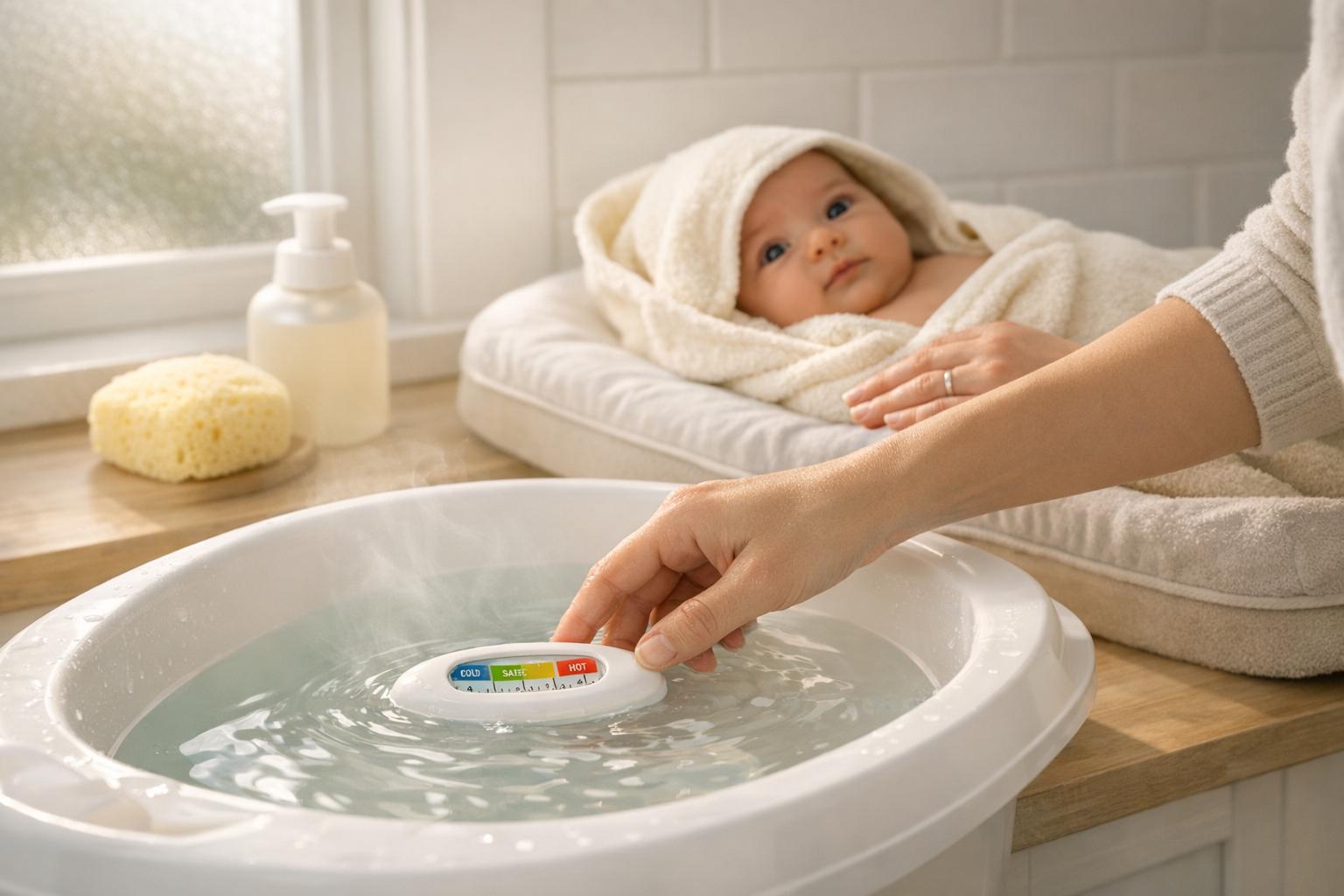
- Water Temperature: Keep it around 100°F (38°C). Test with your wrist or elbow to ensure it's warm, not hot. Avoid running water during the bath.
- Frequency: Bathing 2–3 times a week is enough. Overbathing can dry out their skin.
- Products: Use fragrance-free, hypoallergenic baby products. Skip adult soaps and lotions for the first month.
- Supervision: Never leave your baby unattended. Keep everything you need within reach.
- Drying: Pat dry thoroughly, especially in skin folds, to prevent irritation.
Preparation is key. Set up a warm, draft-free space (around 75°F) and ensure your baby is securely supported during the bath. If you're unsure, consider professional guidance from postpartum specialists like Nestling, who offer hands-on support and tips for confident bathing routines.
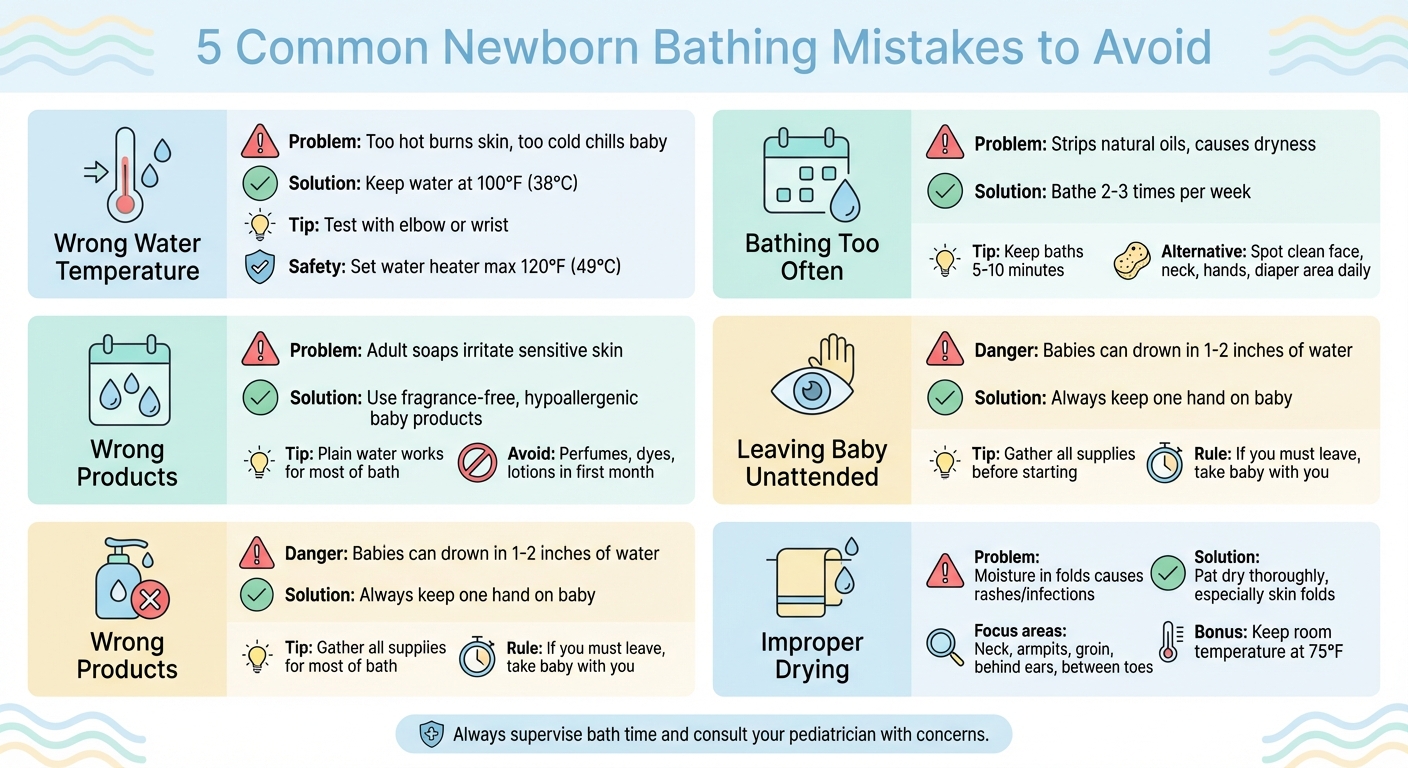
5 Common Newborn Bathing Mistakes and How to Avoid Them
Common Newborn Bathing Mistakes and How to Fix Them
Bath time can be tricky for new parents, and some common mistakes might put your baby's safety at risk. Here's a breakdown of frequent errors and practical ways to make bath time safer and more comfortable for your little one.
Using Incorrect Water Temperature
Water that's too hot can burn your baby's delicate skin, while water that's too cold can leave them chilled. Because newborns have thinner, more sensitive skin and struggle to regulate their body temperature, getting the water temperature just right is crucial. Dr. Farida Kwaji emphasizes:
Babies aren't tiny adults... they have thinner, more sensitive skin and don't regulate temperature as well as adults.
To keep your baby safe, aim for bath water around 100°F (38°C). Set your water heater to a maximum of 120°F (49°C) to avoid scalding accidents. Always test the water with your elbow or wrist to ensure it's comfortably warm, and stir the water to eliminate any hot spots. Avoid bathing your baby while the faucet is running, and keep the room warm - about 75°F - to maintain their comfort.
Bathing Your Baby Too Often
Bathing your newborn every day can strip their skin of natural oils, leading to dryness and irritation. Instead, a full bath 2–3 times a week is sufficient. On other days, focus on spot cleaning the face, neck, hands, and diaper area. Keep bath time short - 5 to 10 minutes - to prevent your baby from getting cold as the water cools. Don’t forget to gently clean skin folds, such as the neck, thighs, and armpits, where moisture and residue tend to collect.
Choosing the Wrong Bath Products
Many adult soaps and fragranced products are too harsh for a newborn's sensitive skin, potentially causing dryness or irritation. Dr. Ari Brown, Founder of 411 Pediatrics, advises:
Look for products that don't have added perfume or dyes, which can irritate sensitive skin.
Stick to tear-free, hypoallergenic, and fragrance-free products made specifically for babies. For most of the bath, plain warm water will suffice - use gentle soap only on areas that need extra cleaning. Be sure to rinse thoroughly to remove any soap residue. During the first month, skip lotions altogether, as your baby's skin is still maturing.
Leaving Your Baby Unattended
Even a moment of inattention can be dangerous. Babies can drown in just 1 to 2 inches of water. Always keep one hand on your baby during bath time. Before starting, gather everything you’ll need - soap, washcloths, towels, a clean diaper, and clothes - so you’re not tempted to step away. If you absolutely must leave, wrap your baby in a towel and bring them with you.
Skipping Proper Drying and Preparation
Thorough drying is just as important as the bath itself. Moisture left in skin folds can lead to rashes or fungal infections. Before the bath, have a clean towel, diaper, and clothes ready to go. Afterward, gently pat your baby dry, paying special attention to areas like behind the ears, neck creases, armpits, groin, and between fingers and toes. If the umbilical stump gets wet, carefully pat it dry to avoid irritation.
sbb-itb-9ce2258
Safe Bathing Techniques for Newborns
How to Hold Your Baby Securely
Bathing a newborn can feel tricky, especially since their skin becomes slippery when wet. A secure grip is crucial to avoid slips and ensure safety throughout bath time.
Use your non-dominant hand to cradle your baby's head and neck, keeping them above the waterline. For added stability, try the "opposite arm" grip: place your hand behind your baby's back near the armpit to prevent sliding. Dr. Peter VanHeyst, a pediatrician at Cleveland Clinic, advises:
Support baby's head and neck with your non-dominant hand. Use your dominant hand for cleaning.
When washing their scalp, switch to the "football position." In this method, you support your baby's head and neck with one hand while tucking their body securely under your arm. Always lower your baby into the water feet-first while keeping their upper body supported. Even if you use bath seats or tub inserts for extra stability, these tools don’t replace the need for constant supervision or professional newborn care. Always keep one hand on your baby throughout the bath.
Once you've mastered holding your baby securely, the next step is creating a safe bathing environment.
Setting Up a Safe Bathing Area
A well-prepared bathing area is just as important as a secure grip. Start by filling the tub with 2–3 inches of warm water - test it to ensure it's comfortably warm but not hot. Keep the room warm (around 75°F) and well-lit, and place a clean towel on the bottom of the tub to prevent slipping. Make sure windows are closed to avoid drafts.
If you're using a baby tub with suction cups, double-check that they adhere firmly to the surface before placing your baby inside. A stable setup combined with proper holding techniques ensures a safer and more comfortable bath time for your newborn.
How Professional Care Can Help with Newborn Bathing
The Value of Professional Bathing Support
Bathing a newborn can feel overwhelming, especially when you're recovering from childbirth and trying to handle a tiny, slippery baby. It's a delicate task that requires confidence and the right techniques.
This is where professional caregivers, such as postpartum doulas and infant care specialists, can make a huge difference. They bring hands-on expertise to guide you through the process and introduce methods like swaddled bathing. This technique keeps the baby wrapped in a cloth during the bath, creating a snug, womb-like experience. According to UCSF Benioff Children's Hospitals:
"Swaddled bathing is very relaxing and calming for the baby and increases the parent's confidence in handling the baby."
Dr. Peter VanHeyst, a pediatrician at Cleveland Clinic, also underscores the importance of having help:
"If you can, enlist a grownup helper for bath time. Four hands are better than two."
This assistance isn't just about convenience - it’s about safety. Babies can drown in as little as 1 to 2 inches of water. Professional caregivers not only provide that extra set of hands but also teach essential skills like supporting the baby’s head and neck, testing water temperature, and cleaning in the correct order (starting with the face and working down to the diaper area). These lessons help parents feel more confident and prepared, creating a safer and calmer bath time routine.
Nestling's Newborn Care Services

For families seeking professional support, Nestling offers a seamless solution. The platform connects parents with highly qualified caregivers who specialize in newborn bathing and education. Nestling’s infant care specialists and postpartum doulas provide personalized care plans tailored to your recovery and help you navigate bath time with ease.
Nestling ensures every caregiver goes through rigorous checks, including background screenings, reference validation, and certification reviews. Whether you need help during the day, overnight, or even live-in support, the platform offers flexible booking options to meet your needs. Caregivers also teach important skills, like transitioning from sponge baths to tub baths after the umbilical cord stump falls off and managing cradle cap safely and effectively.
For parents without nearby family or friends to lean on, professional services like Nestling fill that gap, offering both practical help and peace of mind.
Conclusion
Creating a calm and safe environment for your newborn's bath is all about preparation and care. Keep the water temperature between 95°F and 100°F and limit baths to just 2 to 3 times per week to protect your baby's sensitive skin. Opt for mild, fragrance-free products specifically designed for infants, and always have all your supplies within reach so you can keep one hand on your baby at all times. Most importantly, never leave your baby unattended - even for a moment - as even 1 to 2 inches of water can pose a risk.
A safe bathing routine also involves setting up the right environment. Keep the room temperature at a comfortable 75°F, and always test the water with your elbow or wrist to ensure it's not too hot or cold. When washing, start at the top and work your way down to avoid spreading bacteria. Pay special attention to skin folds - like those in the neck, thighs, and armpits - where moisture can build up and cause irritation.
If bath time feels overwhelming, remember that help is available. Services like Nestling connect families with infant care specialists and postpartum doulas. These professionals offer hands-on guidance, flexible scheduling, and tailored advice to help you build confidence and create a smoother, stress-free bath routine.
With the right preparation, tools, and support, bath time can transform into a safe and soothing experience for both you and your baby.
FAQs
When can I switch from sponge baths to tub baths?
Once your baby's umbilical cord stump has fallen off and, if applicable, the circumcision has completely healed, you can transition from sponge baths to tub baths. At this stage, it's safe to bathe your baby in a sink or a small infant tub.
What if my baby cries during every bath?
It's normal for babies to cry during bath time - this can happen because they feel uncomfortable or aren't used to the experience yet. To help, make sure the water is at a comfortable temperature, use gentle and calm movements, and aim to create a relaxing atmosphere. You can also ease them into the routine by speaking softly and offering reassurance. However, if the crying continues or feels unusually intense, it might be a good idea to check in with your pediatrician to ensure there aren't any hidden issues causing their distress.
Do I need a baby bathtub or can I use the sink?
You can bathe your newborn in either a baby bathtub or a clean sink. For the first few weeks, sponge baths are the best option. After the umbilical cord stump has fallen off and any circumcision has healed, you can switch to using a small infant tub or a secure sink. Always make sure the surface is stable, and keep one hand on your baby at all times to ensure their safety.








 Sign up with Google
 Sign up with Facebook