
Infant Sleep Routine Planner
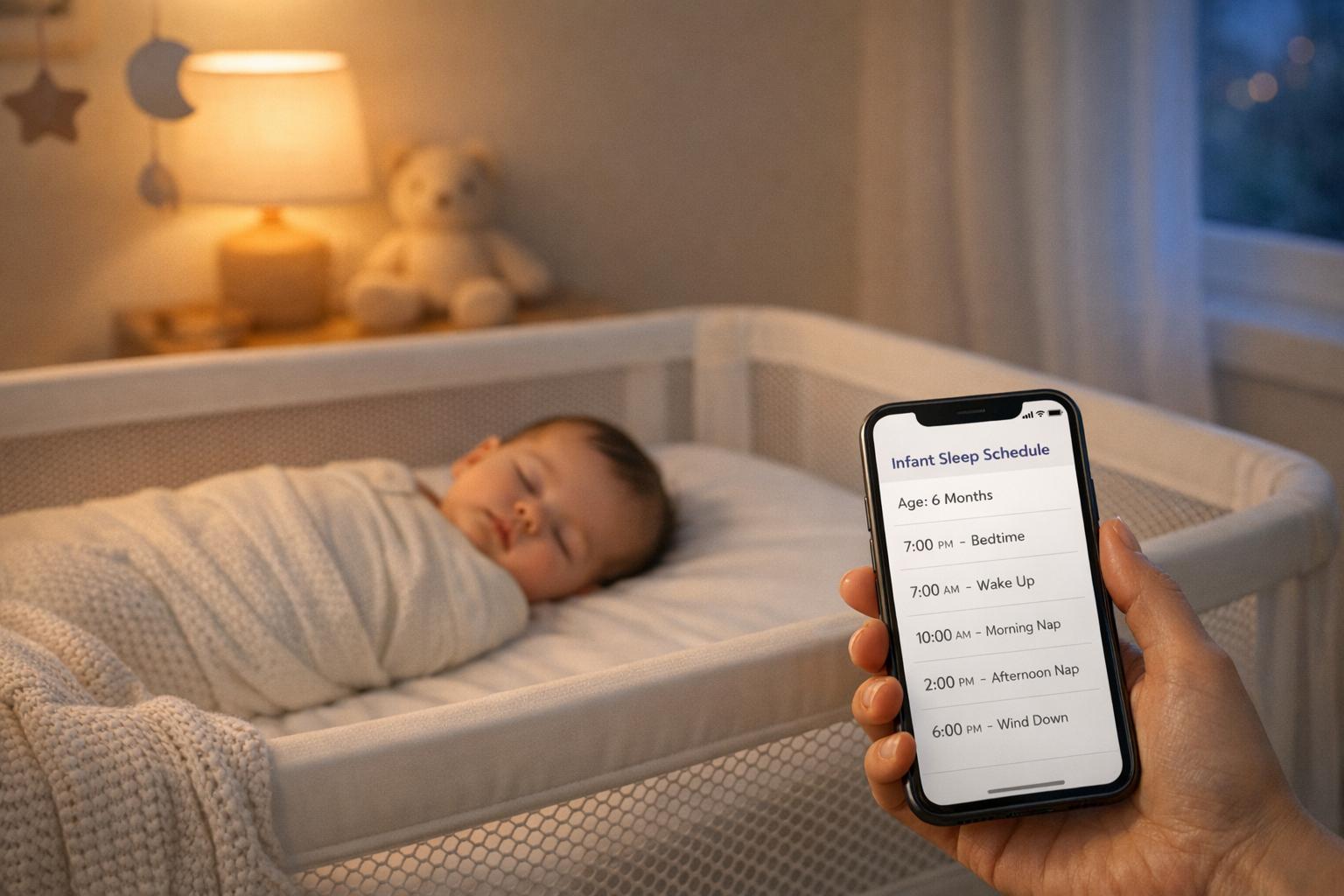
Infant Sleep Routine Planner
Helping Parents with an Infant Sleep Routine Planner
New parents often find themselves exhausted, wondering how to establish a predictable pattern for their baby’s rest. Creating a balanced daily schedule for a newborn or young infant can transform chaotic days into more manageable ones. That’s where a tailored sleep planner comes in handy, offering a roadmap to better rest for both baby and caregiver.
Why a Sleep Schedule Matters for Babies
A consistent routine helps little ones develop healthy sleep habits early on. When naps and bedtimes follow a regular rhythm, it can reduce fussiness and support their growth. Babies thrive on predictability, and parents benefit from knowing when to expect downtime. Tools that customize a plan based on age and family preferences simplify this process, taking the guesswork out of structuring the day.
Tips for Success
Beyond using a planner, small habits can ease the transition. Dim the lights during evening feedings, keep daytime play active to tire them out naturally, and be patient as your child adjusts. Remember, flexibility is just as important as consistency—some days won’t go as planned, and that’s perfectly normal. With a thoughtful approach, you’ll find a groove that works for your family.
FAQs
How much sleep does my baby need based on their age?
It really depends on how old your little one is. Newborns (0-3 months) often need 14-17 hours of sleep per day, including lots of naps. By 4-6 months, that drops to about 12-16 hours, with longer stretches at night. Once they hit 6-12 months, most babies need 12-14 hours total. Our planner uses these general guidelines to build a schedule, but keep an eye on your baby’s cues—some might need a bit more or less!
What if my baby doesn’t follow the suggested schedule?
That’s totally okay! Babies aren’t robots, and every kiddo has their own rhythm. The schedule from our tool is just a starting point based on typical sleep needs for their age. If your baby fights a nap or wakes earlier than planned, don’t stress. Watch for sleepy signs like yawning or rubbing eyes, and tweak the routine to match their natural patterns over time.
How can I help my baby settle into a sleep routine?
Getting a consistent routine going takes patience, but small steps make a big difference. Start with a calming pre-sleep ritual—think a warm bath, a quiet story, or soft lullabies—to signal it’s time to wind down. Keep the sleep space cozy, dark, and quiet, and try to stick to similar nap and bedtime hours each day. Our tool gives you a framework, but adding your personal touch, like a favorite blankie or gentle rocking, can help your baby feel secure and ready to rest.








 Sign up with Google
 Sign up with Facebook