
New Mom Recovery Checklist: First 6 Weeks

New Mom Recovery Checklist: First 6 Weeks
Recovering from childbirth is a journey that requires care, patience, and support. The first six weeks postpartum involve physical healing, emotional adjustments, and learning to care for your newborn. Here's a quick guide to help you navigate this period:
- Physical Healing: Manage postpartum bleeding with specialized pads, use a peri bottle for hygiene, and consider sitz baths for comfort. For C-section recovery, follow your doctor’s instructions for incision care and avoid heavy lifting.
- Breastfeeding Support: Use nipple creams, nursing bras, and consult lactation experts for help with latching or milk supply.
- Rest and Nutrition: Sleep when the baby sleeps, eat balanced meals rich in fiber, and stay hydrated to boost energy and recovery.
- Emotional Well-being: Watch for signs of postpartum mood changes, and seek support from family, friends, or professionals if needed.
- Medical Follow-ups: Attend postpartum checkups to monitor your recovery and address any concerns.
Best List of Postpartum Recovery Products for Your Postpartum Recovery Kit (Postpartum Care Kit)
Physical Healing and Hygiene Basics
Recovering after childbirth takes time and proper care. Whether you had a vaginal delivery or a C-section, focusing on physical healing and hygiene during the first six weeks is crucial. These early steps not only promote recovery but also help you feel more comfortable and confident as you adjust to life with your baby.
Postpartum bleeding, known as lochia, is a normal part of recovery and can last for several weeks, regardless of how you delivered. Having the right supplies and following good care routines can make this period much more manageable.
Equipping yourself with the right products - like postpartum pads, soothing tools, and incision care items - goes a long way in supporting your recovery. By planning ahead, you can focus more on rest and bonding with your newborn. Below are some essential items and practices to help you through this phase.
Postpartum Pads, Peri Bottle, and Sitz Bath
Postpartum pads are a must-have in the first few weeks. Regular menstrual pads often lack the absorbency needed for lochia, so opt for extra-long, highly absorbent pads made specifically for postpartum use.
A peri bottle is another essential tool for gentle cleansing, especially after using the bathroom. Fill it with warm water and rinse your perineal area from front to back to avoid irritation from wiping with toilet paper. Look for a peri bottle designed for easy handling and a steady water flow.
Sitz baths can bring relief to sore or swollen areas, including the perineum and hemorrhoids. You can use a shallow warm bath in your tub or a portable sitz bath that fits over your toilet seat. Soaking for 10–15 minutes, particularly after bowel movements, helps improve blood flow, aids healing, and provides immediate comfort.
Ice Packs, Compression Underwear, and Belly Wraps
Ice packs are incredibly helpful in reducing swelling and numbing pain during the first few days postpartum. Keep them refrigerated for a more soothing effect.
Compression underwear offers support to your pelvic area and helps minimize swelling. Choose options that provide gentle support while avoiding pressure on sensitive areas.
Belly wraps are designed to stabilize your core and support weakened abdominal muscles. While they won't shrink your belly, they can make movement more comfortable. Look for breathable materials and avoid wrapping too tightly to ensure proper circulation.
C-Section Incision Care and Infection Prevention
If you had a C-section, taking care of your incision is vital for a smooth recovery. Healing typically takes about four to six weeks, so following your doctor’s instructions for pain management and activity restrictions is key.
Clean your incision daily with soap and water, then pat it dry thoroughly. Your doctor may advise whether to keep the incision covered or let it air out, as this can vary depending on the situation.
Avoid heavy lifting - stick to carrying only your baby - and hold off on intense exercise until your doctor gives the go-ahead. Gentle walking, however, can be beneficial for recovery, so check with your healthcare provider about what’s safe for you.
For added comfort, wear soft, high-waisted bottoms or maternity leggings, and consider using ice packs around the incision to reduce swelling and discomfort.
Be vigilant about warning signs of infection. Contact your doctor right away if you notice fever, increased pain, tenderness near the incision, unusual discharge, heavy bleeding, or if the incision edges start to separate. Also, ask your doctor about removing staples or sutures on time to prevent unnecessary scarring.
Breastfeeding and Newborn Care Support
Getting into a breastfeeding routine during the first six weeks can feel like a whirlwind. With the right tools and professional guidance, though, the process becomes much more manageable. For many new moms, challenges like latching, milk supply, and navigating general newborn care can feel daunting, but having the proper resources on hand can make a world of difference.
Start by gathering essential supplies for nipple care and identifying sources for expert help. From soothing products to lactation guidance, these resources can help you approach the early weeks with greater confidence. Let’s break down some key areas to focus on, including nipple care, lactation support, and newborn care basics, to help ease your recovery and caregiving journey.
Nipple Care Products and Nursing Supplies
Caring for your nipples is a top priority in the early days of breastfeeding. Applying 100% pure lanolin after nursing can help soothe and heal sore nipples. Allowing your breasts to air out afterward can also reduce irritation.
A comfortable, well-fitting nursing bra is a must. Look for one that offers easy access for breastfeeding or pumping while avoiding tight or restrictive designs. Nursing pads are another handy item - they absorb leaks and keep you feeling dry and comfortable throughout the day.
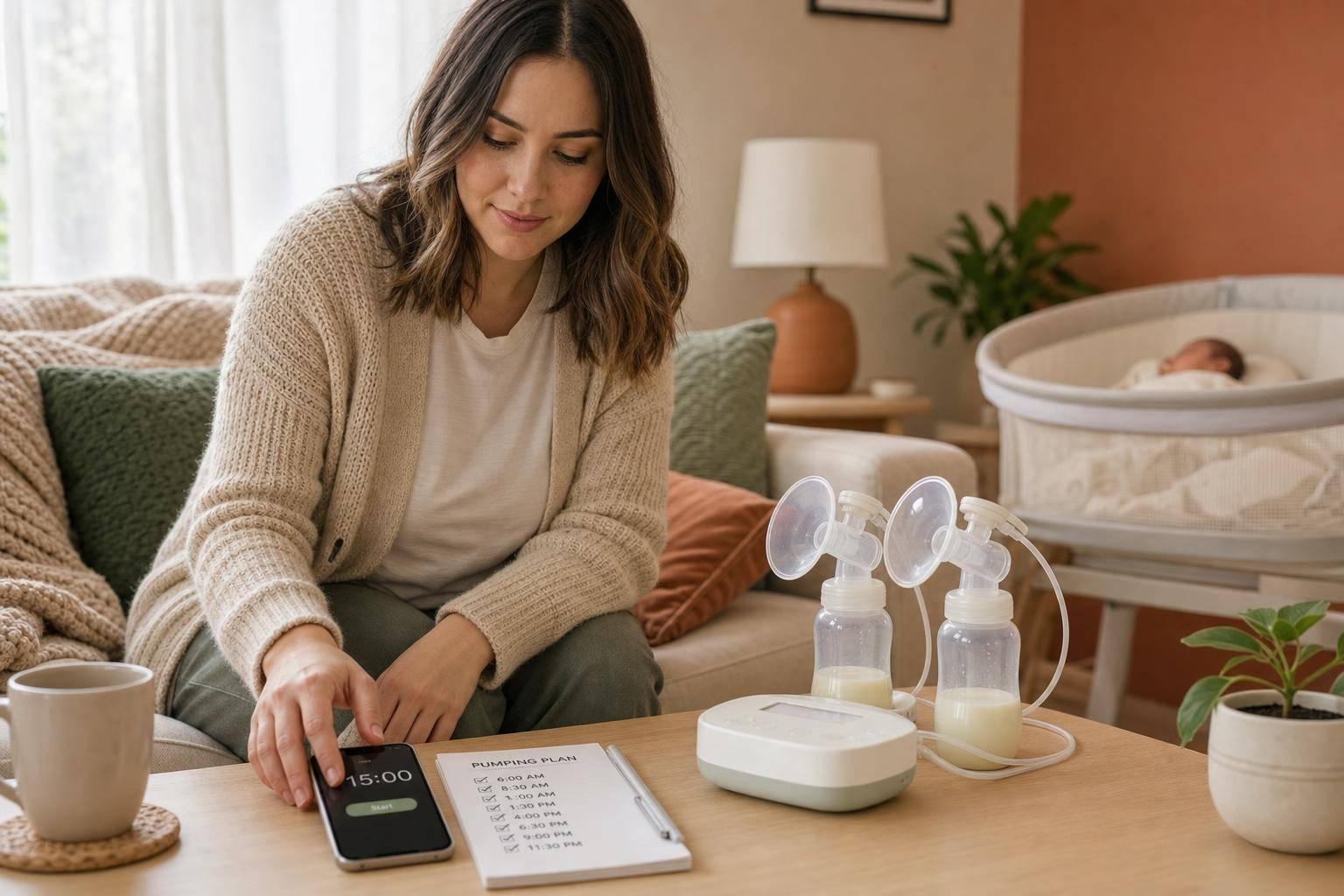
To support milk flow, try using a heating pad for about 10 minutes before nursing. Afterward, an ice pack can help reduce any swelling. If you’re planning to pump, whether to store milk for later, manage engorgement, or prepare for times away from your baby, investing in a breast pump is a smart move. When choosing a pump, consider factors like comfort, portability, cost, and ease of use to find one that suits your needs.
Lactation Consultant Access and Feeding Routines
Lactation consultants are invaluable when it comes to tackling breastfeeding challenges. They can help with issues like latching, milk supply, and finding the best positions for you and your baby. A proper latch is especially important - it ensures your baby gets enough milk and keeps you comfortable during feeding.
If you’re struggling with concerns like a poor latch or low milk supply, reach out to a lactation consultant or your healthcare provider for advice. Many hospitals have lactation consultants on staff who can provide immediate assistance.
For added convenience, services like Nestling offer certified lactation consultants who can visit your home, providing expert guidance without the added stress of traveling during the early postpartum period.
Newborn Care Basics
Caring for a newborn involves juggling feeding, sleeping, bathing, and bonding. In the first few weeks, babies typically eat every 2-3 hours, but instead of sticking to a rigid schedule, watch for hunger cues like rooting, sucking motions, or fussiness.
Newborn sleep patterns can feel unpredictable - they may sleep 14-17 hours a day but in short stretches. To create a safe sleep environment, always place your baby on their back in a crib or bassinet, free from loose bedding, toys, or bumpers.
Bathing doesn’t need to be a daily task. Two to three times a week is usually enough. Use lukewarm water and gentle, fragrance-free baby soap, and keep baths short - just 5-10 minutes - to prevent your baby from getting cold.
Expect frequent diaper changes and focus on keeping your baby’s skin clean. Allow for some diaper-free time to let their skin breathe.
For parents looking for extra guidance, Nestling offers personalized newborn care plans. These plans help simplify daily routines by covering everything from sleep schedules to feeding and bathing. Their infant care specialists can provide hands-on advice, which is especially helpful during those first few weeks when everything feels new and overwhelming.
Rest, Nutrition, and Energy Management
Postpartum recovery is about more than just time - it's about nurturing your body through rest, nutrition, and gentle movement. In those first six weeks, prioritizing these elements can make a world of difference in your healing process.
Making Rest and Sleep a Priority
"Sleep when your baby sleeps." You've probably heard this advice a hundred times, but it's more than just a saying - it’s a key part of recovery. Your body does its most important healing while you rest, so even short naps during the day can boost both your physical and emotional health.
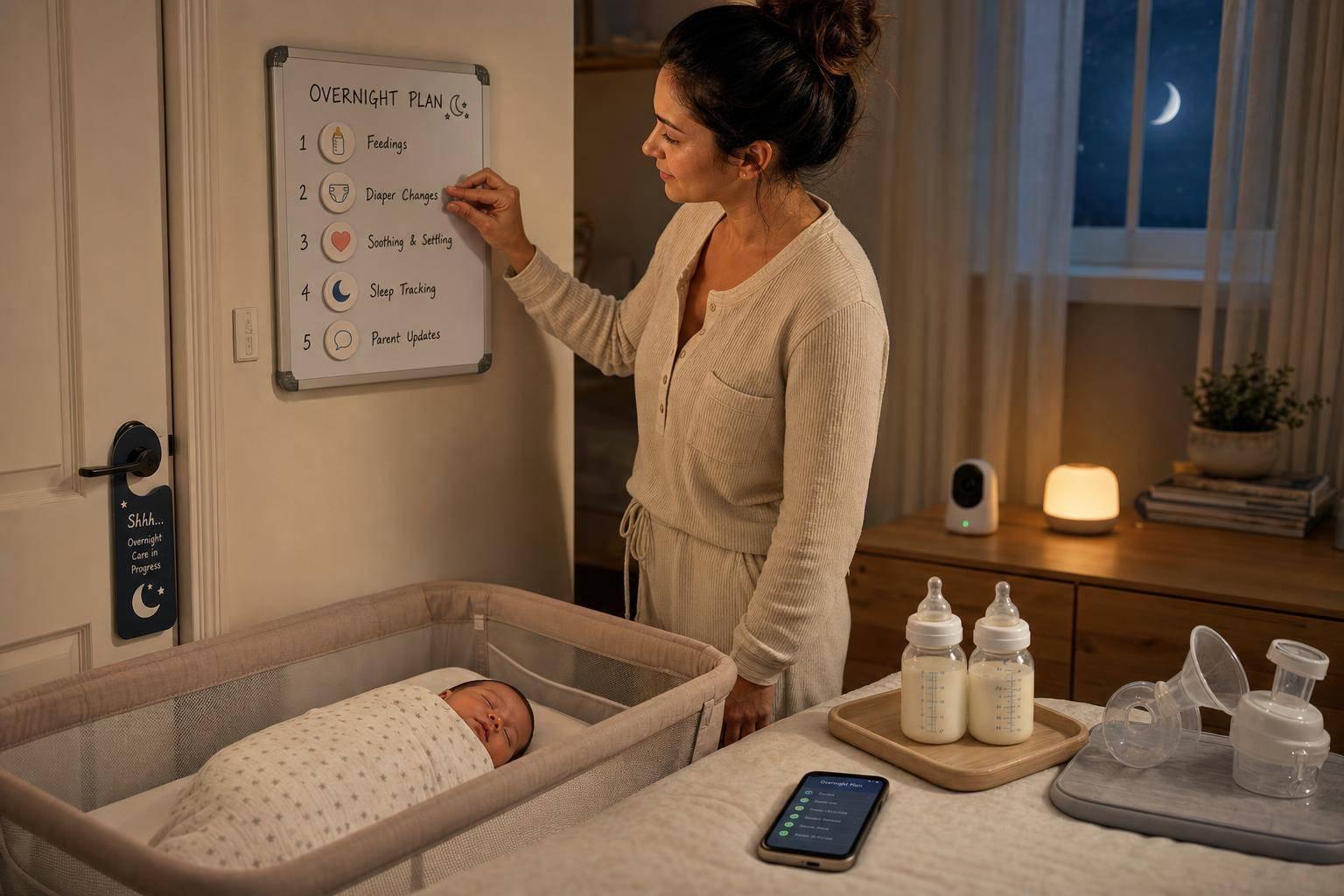
Set yourself up for success by organizing your bedroom for nighttime feedings and diaper changes. Keep essentials like diapers, wipes, and burp cloths within easy reach to avoid fully waking up. Let others handle nonessential chores like laundry or cleaning, so you can focus on resting and bonding with your baby. If family or friends offer to help, say yes.
Creating a consistent bedtime routine can also help signal to your body that it’s time to wind down. Try dimming the lights, avoiding screens, or doing a few gentle stretches before bed to create a calming environment.
Meal Planning and Simple Nutrition
What you eat plays a huge role in how you feel. Eating smaller, balanced meals throughout the day can help keep your energy steady. Pair complex carbs with protein - think whole wheat toast with peanut butter or some yogurt topped with fresh berries - to fuel your body and aid recovery.
Fiber is your friend, especially when it comes to easing postpartum constipation. Foods like soups, smoothies, fruits, vegetables, and whole grains can help keep things moving. Staying hydrated is equally important - aim for about 64 ounces of water a day.
To make life easier, consider prepping freezer meals before your baby arrives or asking friends and family to pitch in with a meal train. This way, you’ll have nourishing food on hand without the added stress of cooking. Cutting back on caffeine and alcohol can also help stabilize your mood and improve sleep quality.
Once you’re feeling nourished, gentle movement can help your recovery along.
Gentle Movement and Light Exercise
Gentle movement is a great way to support your recovery. It boosts circulation, lifts your mood, and helps ease tension from all the feeding and baby-carrying. Start small - a 5–10 minute walk around your home or neighborhood can make a big difference. Light stretches, like neck rolls, shoulder shrugs, or gentle spinal twists, can relieve tightness and help you feel more comfortable.
Listen to your body and go at your own pace. Before jumping back into more intense workouts or your pre-pregnancy routine, get the green light from your healthcare provider. Focus on activities that feel good rather than those you think you "should" be doing - pushing yourself too hard too soon could slow down your recovery.
sbb-itb-9ce2258
Emotional Health and Support Systems
Taking care of your emotional well-being is just as important as physical recovery during the first six weeks after childbirth. Between hormonal changes, sleep deprivation, and the demands of caring for a newborn, it’s natural to feel overwhelmed, anxious, or even sad. Recognizing when to ask for help and building a reliable support system can make this challenging phase much more manageable.
Identifying Postpartum Mood Changes
It’s common for new mothers to experience the “baby blues,” which can include tearfulness and mood swings. These feelings usually ease within two weeks. However, if sadness persists, anxiety feels unmanageable, or you experience difficulty bonding with your baby - or worse, have thoughts of self-harm - reach out to your healthcare provider immediately.
Postpartum anxiety may show up as racing thoughts, constant worry about your baby’s safety, or even physical symptoms like a rapid heartbeat or shortness of breath. Watch for other signs, such as exhaustion that doesn’t improve with rest, losing interest in things you once enjoyed, or feeling inadequate as a parent. These are medical conditions, not personal failings, and they often improve with proper treatment. Recognizing these signs underscores the importance of having a dependable support system in place.
Building Your Support Network
Just like physical recovery, emotional well-being thrives with the right support. Start by identifying people who can help with specific tasks. Maybe your partner can handle nighttime feedings so you can sleep, a family member can take over meal prep, or a friend can lend a listening ear when you need to vent.
Be clear about what you need. Instead of vague offers of help, request specific things like, “Can you bring over dinner on Tuesday?” or “Would you mind watching the baby for 30 minutes so I can rest?” People are often eager to help but may not know exactly how.
If your personal network isn’t enough, consider professional help. Postpartum doulas, for instance, can assist with newborn care, light household tasks, and emotional support. Companies like Nestling offer vetted doulas who can help with everything from feeding advice to establishing routines. Lactation consultants can provide guidance if you’re struggling with breastfeeding, and infant care specialists can help with sleep training or overnight care, giving you the chance to recuperate.
Setting Boundaries with Visitors
Once your support system is in place, it’s crucial to manage visits to protect your rest. While friends and family are often excited to meet your baby, too many visitors can leave you feeling drained when you need rest the most.
Set clear expectations early. Let loved ones know you’re focusing on recovery and will reach out when you’re ready for visitors. You might even ask a trusted friend or family member to act as a “gatekeeper” to coordinate visits and communicate your needs.
When visitors do come, make their time count. Don’t hesitate to ask for practical help, like bringing a meal, folding laundry, or holding the baby so you can take a quick break. Visits don’t need to last long - 30 to 45 minutes is often enough. By setting limits, you’ll ensure you have the energy and space you need to heal.
Postpartum Checkups and Recovery Milestones
Taking care of your emotional and physical well-being after childbirth is essential, and timely follow-up appointments play a big role in ensuring your recovery stays on track. Postpartum checkups help monitor your progress and address any concerns that may arise.
Attending Your Postnatal Appointments
Your first postpartum checkup usually happens 1-2 weeks after delivery, followed by a more in-depth visit around 6 weeks. If you had a C-section, there’s often an extra appointment at 2 weeks to assess how your incision is healing.
During these visits, your healthcare provider will check on your uterine contraction, incision healing, and overall recovery. If you had pregnancy complications like preeclampsia, your blood pressure will also be closely monitored.
Your emotional health is just as important as your physical recovery. Expect your provider to ask about your mood, energy levels, and how you’re adjusting to life with your baby. This is a great time to bring up any feelings of sadness, anxiety, or being overwhelmed. Many providers use screening tools to help identify postpartum depression or anxiety.
At your 6-week visit, family planning is often discussed. Your doctor will go over contraception options and when it’s safe to resume sexual activity. Even if you’re breastfeeding, it’s important to talk about birth control since ovulation can return before your first postpartum period.
Preparing Questions for Healthcare Providers
To make the most of your appointment, prepare a list of questions ahead of time.
If you’re experiencing physical symptoms like unusual pain, changes in bleeding patterns, or concerns about healing, make sure to discuss them. Symptoms like persistent headaches, chest pain, or shortness of breath should be reported immediately.
You can also ask about day-to-day challenges, such as when it’s safe to start lifting heavier items or exercising again. If you’re feeling extreme fatigue or having trouble sleeping even when your baby is asleep, these are valid concerns to address.
For feeding-related issues, bring up any questions about latching, milk supply, or other challenges you’re facing. Additional professional support is available if needed, and your provider can guide you in the right direction.
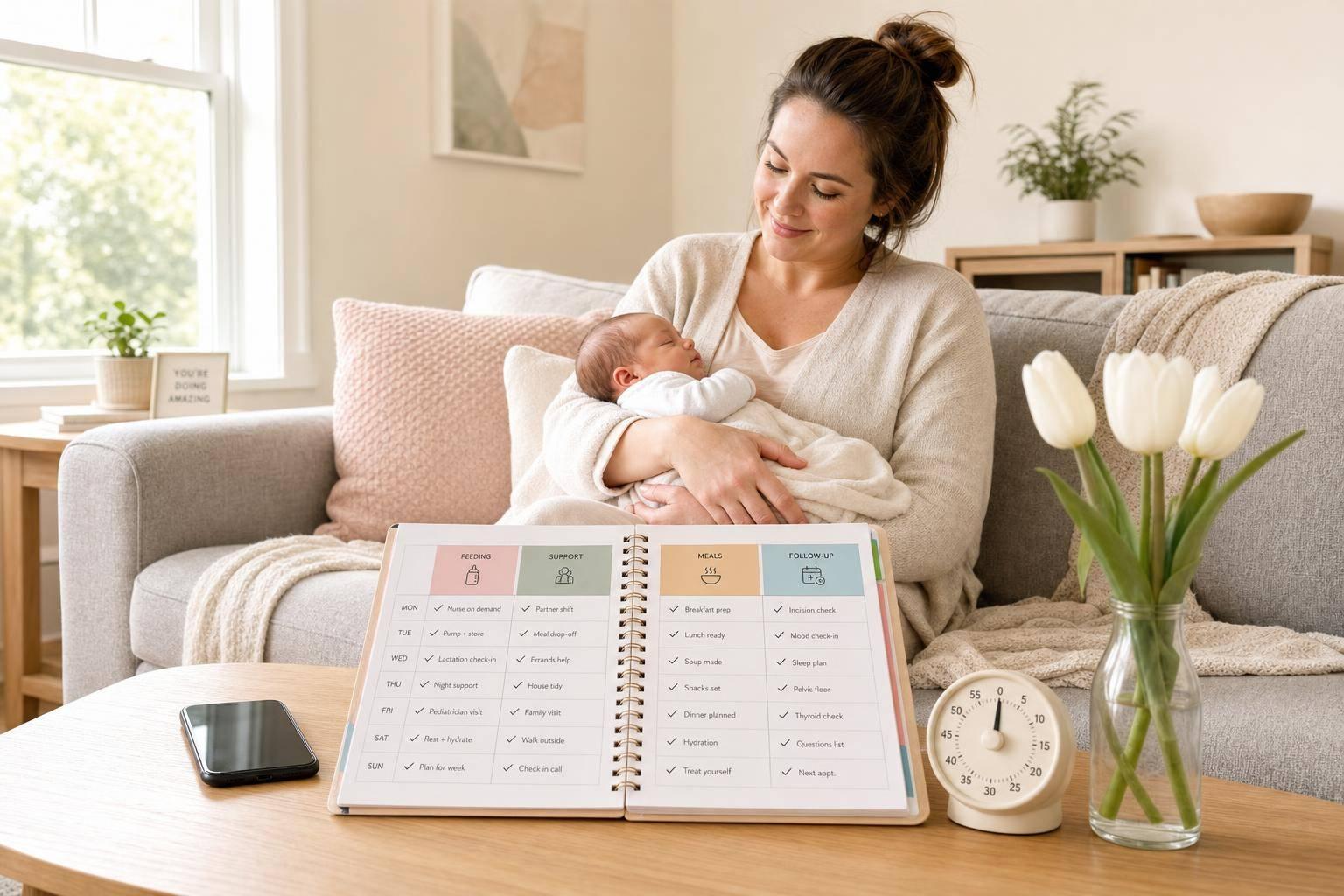
Tracking Recovery Milestones
Knowing what to expect during recovery can help you recognize when things are progressing well or when something might need attention.
- Bleeding (lochia): Over the first few weeks, bleeding typically changes from bright red to pink or brown and gradually decreases. Most women stop bleeding entirely by 6-8 weeks postpartum.
- Energy levels: While fatigue is normal with a newborn, you should notice some improvement by 4-6 weeks. If you’re feeling worse instead of better, let your provider know.
- C-section recovery: Your incision should heal steadily, with less tenderness over time. Some numbness around the incision is normal and can last for months. By 6 weeks, most women can resume regular activities, though heavy lifting might still be restricted.
- Emotional recovery: Feeling more like yourself, enjoying moments with your baby, and having a more stable mood are key milestones. If sadness, anxiety, or bonding difficulties persist, seek professional help.
- Abdominal strength: Gradual improvement in abdominal strength is common. Many women notice their belly button returning to its usual appearance by 6-8 weeks, and diastasis recti (abdominal muscle separation) may start improving with gentle, doctor-approved exercises.
If you’re struggling to balance recovery with caring for your newborn, professional help can ease the load. Postpartum doulas and infant care specialists from services like Nestling can assist with newborn routines, provide emotional support, and help with light household tasks, giving you more time to focus on your healing. Remember, recovery looks different for everyone. Tracking your milestones offers a personalized roadmap to guide your self-care and prepare you for the next phase of your journey.
Conclusion: Supporting Your Recovery with the Right Tools and Help
The first six weeks after childbirth play a crucial role in your recovery. With the right resources and support systems, you can navigate this transformative period with greater ease and confidence.
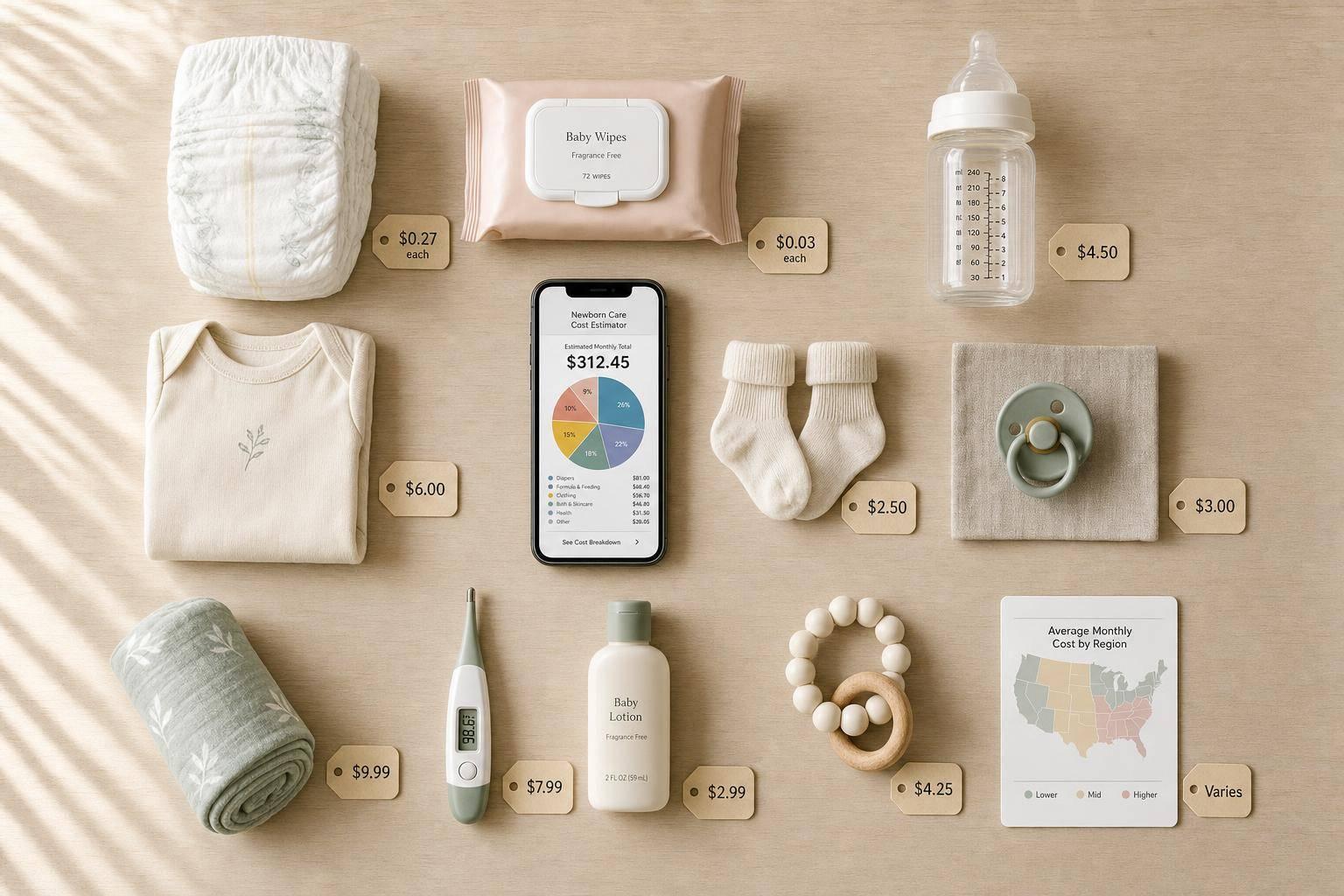
Start by keeping your recovery essentials straightforward yet effective. Stock up on items that promote physical healing and enhance your daily comfort. Having these supplies within reach can make a big difference in managing the day-to-day demands of postpartum life.
For breastfeeding challenges, don’t hesitate to reach out to experts who can guide you through the process. And if you experience any troubling symptoms - like signs of infection or severe pain - contact your healthcare provider without delay.
When everyday tasks start to feel overwhelming, consider postpartum care services to help lighten the load. Platforms like Nestling can connect you with qualified postpartum doulas and infant care specialists. These professionals can assist with newborn care, provide emotional support, and even help with light household chores, giving you the space to focus on rest and recovery.
FAQs
How can I handle postpartum mood changes, and when should I reach out for professional help?
Postpartum mood changes are a normal experience for many new parents, and leaning on your support system - whether it’s family, friends, or parenting groups - can make a big difference. Even small acts of self-care, like taking a quiet moment for yourself or enjoying a favorite hobby, can help boost your emotional well-being.
However, if feelings of sadness, anxiety, or being overwhelmed persist for more than a few weeks, or if they begin to interfere with your ability to care for yourself or your baby, it’s crucial to reach out for professional help. A healthcare provider can connect you with the right resources and support to help you navigate this challenging time.
What are the best practices for caring for my C-section incision to avoid infections?
To reduce the risk of infection at your C-section incision site, make it a habit to gently clean the area daily with mild soap and water. After washing, pat the site completely dry with a clean towel. Be sure to follow any specific wound care instructions provided by your healthcare provider, such as whether to keep the area covered or let it air dry.
Steer clear of using lotions, powders, or any other products on the incision unless your doctor has specifically recommended them. Opt for loose, breathable clothing to minimize irritation around the site. Keep an eye out for potential signs of infection, like redness, swelling, or unusual discharge. If anything seems off, don’t hesitate to reach out to your healthcare provider right away.
What foods should I include in my meals to help with postpartum recovery and boost energy?
To support postpartum recovery and maintain your energy levels, aim for meals that combine complex carbohydrates and protein. This duo not only provides steady energy but also helps your body heal. Great protein sources include lean meats, eggs, beans, and nuts. For healthy carbs, consider options like whole grains, sweet potatoes, or oats.
Add fiber-packed fruits and vegetables to your meals - think berries, spinach, and broccoli - to aid digestion and promote overall well-being. Don’t forget to include healthy fats, such as avocado, olive oil, and fatty fish like salmon, which are essential for energy and recovery. Staying hydrated is equally important, so make sure to drink plenty of water throughout the day to support your body’s healing.





 Sign up with Google
 Sign up with Facebook