
Postpartum Workout After Vaginal Birth: Week-by-Week Guide
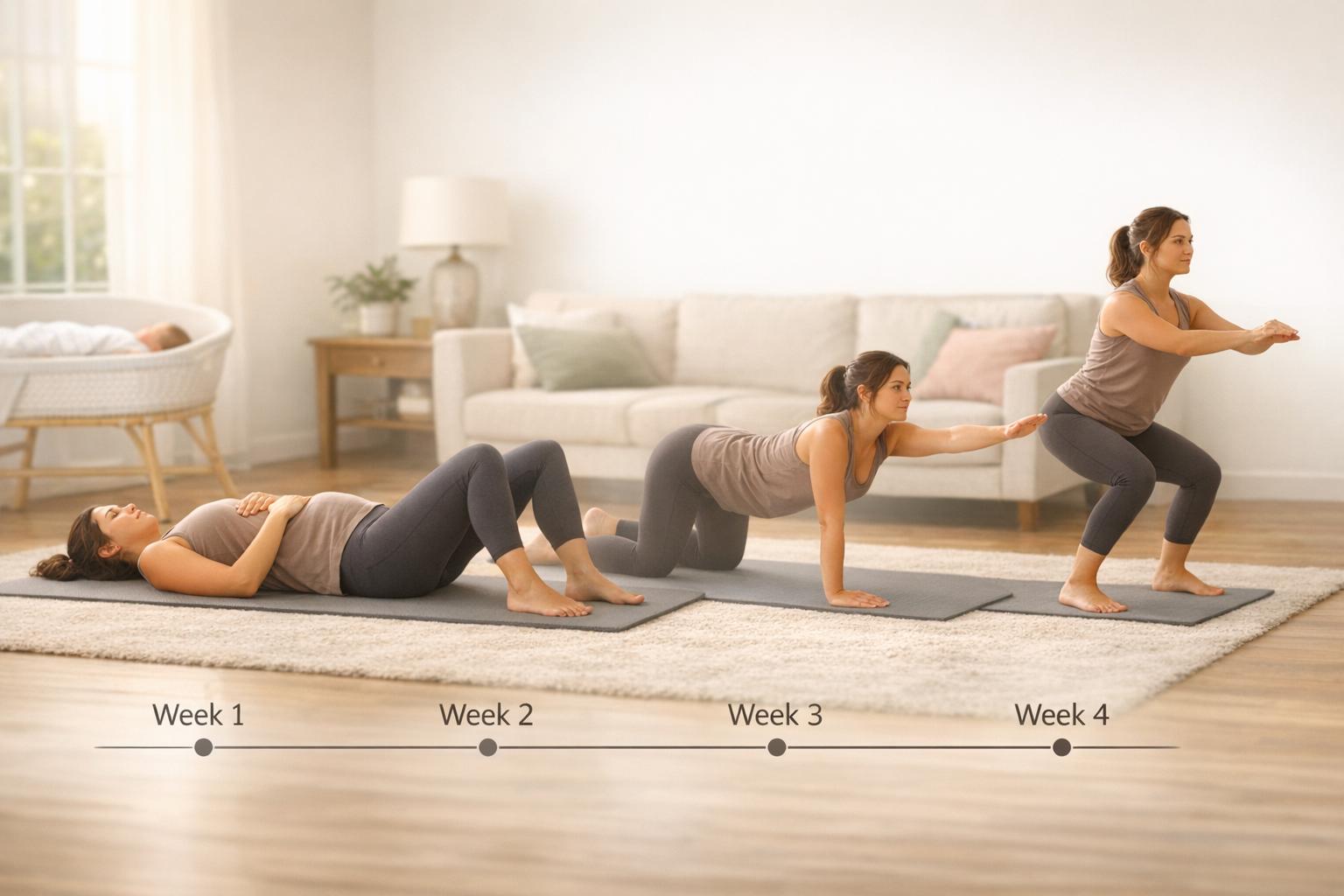
Postpartum Workout After Vaginal Birth: Week-by-Week Guide
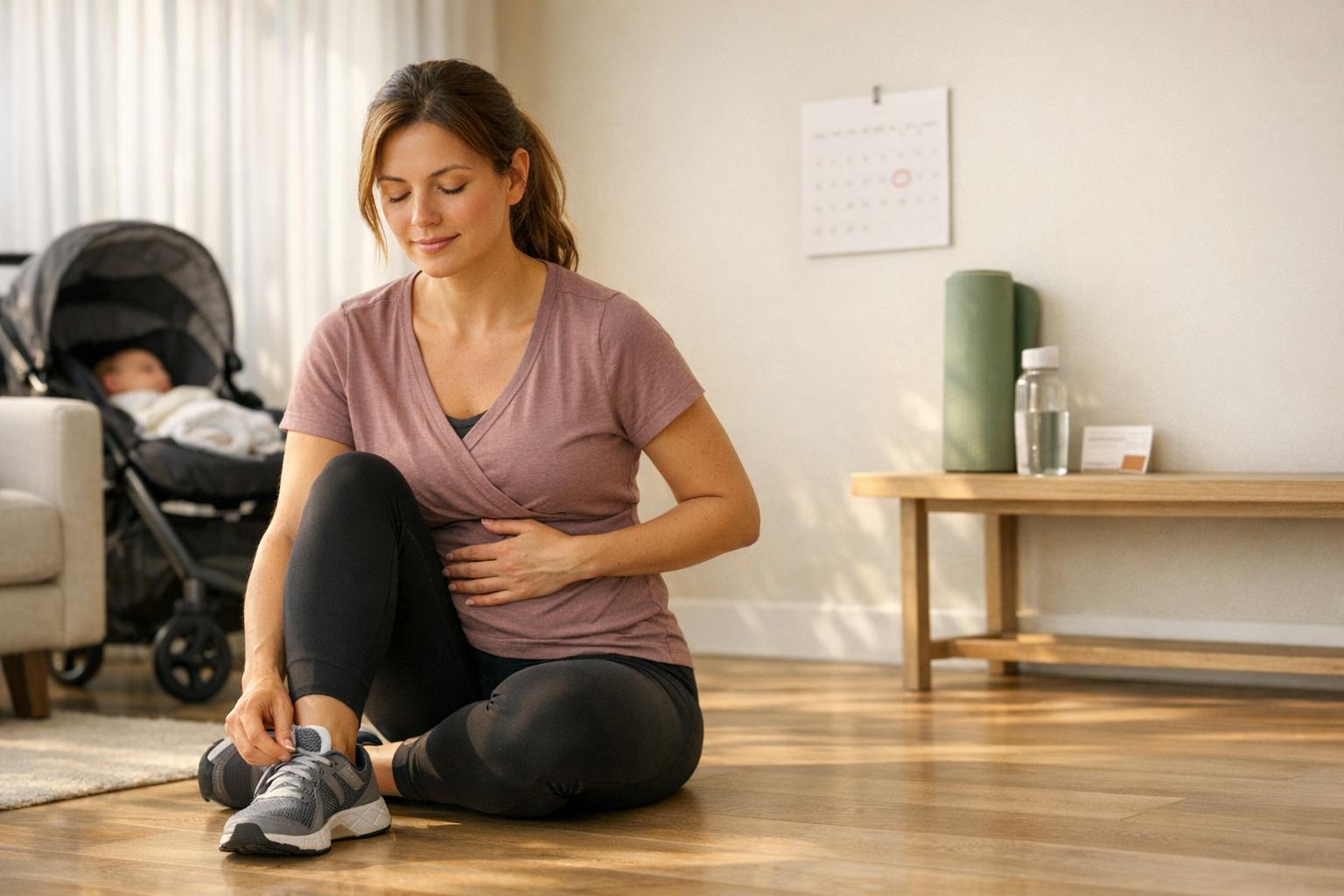
The postpartum period is a transformative time in a new mom’s life, filled with joy, challenges, and a deep desire to recover and feel strong again. For many mothers, regaining strength and addressing physical changes after childbirth is a priority, but it can be daunting to figure out where to begin. This week-by-week postpartum workout guide, rooted in expert advice, provides a safe and effective roadmap for new moms looking to rebuild their bodies after a vaginal delivery.
Whether you’re navigating the first few days of recovery or looking to transition into a structured exercise routine after six weeks, this guide will help you heal, strengthen, and reconnect with your body - all while prioritizing your health and well-being.
Why Postpartum Recovery Matters
Childbirth is an extraordinary event, but it places intense physical demands on the body. From weakened pelvic floor muscles to core instability and weight gain, postpartum recovery involves more than just weight loss - it’s about healing, regaining strength, and preventing future complications like diastasis recti, incontinence, and back pain.
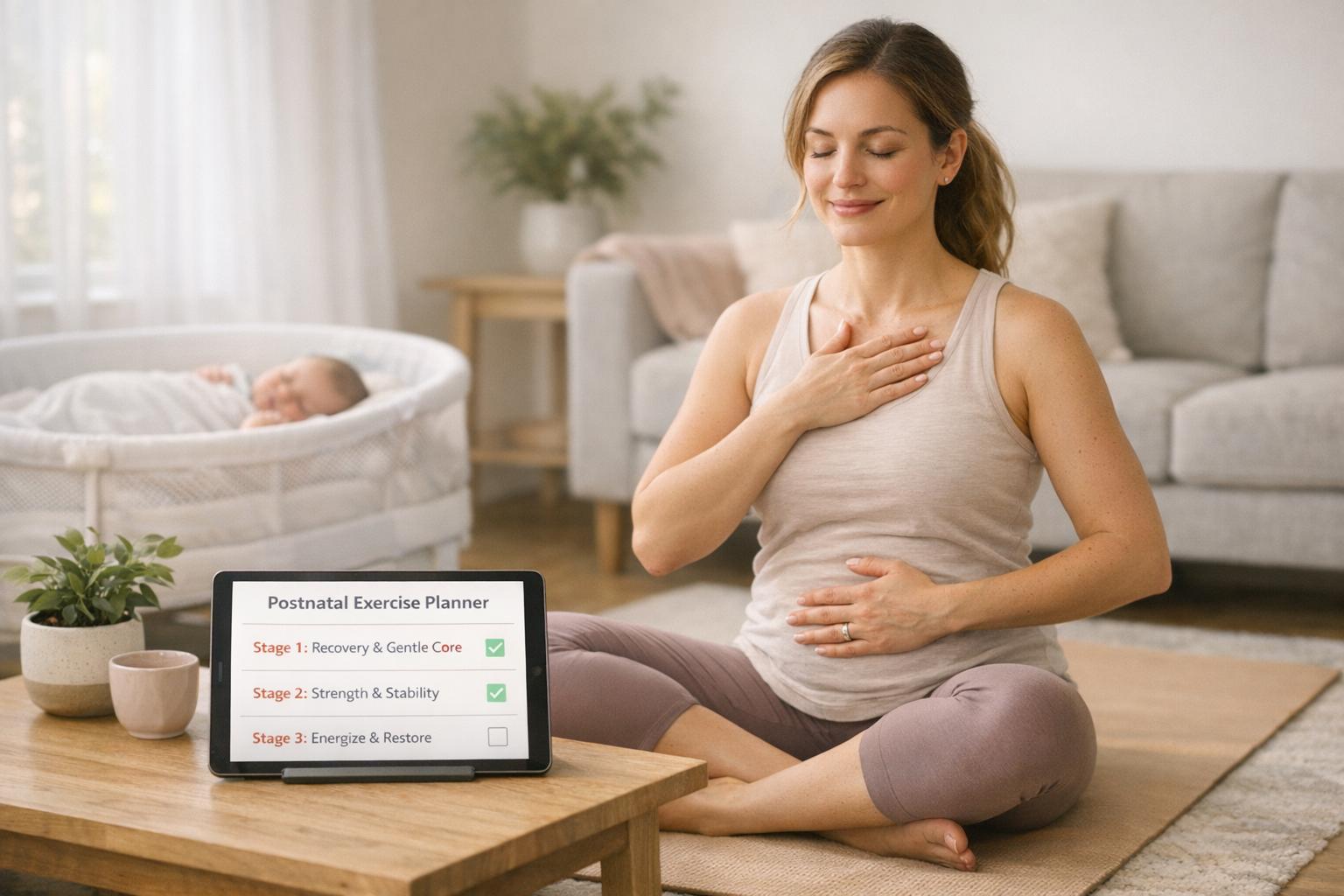
This guide provides a step-by-step approach to postpartum fitness, broken into three critical stages, ensuring your body is supported as it heals. Each phase aligns with the body’s natural progression of recovery, helping you rebuild strength safely and effectively.
sbb-itb-9ce2258
Week 1: Rest and Gentle Activation
The first week after delivery is all about prioritizing healing. Your body has just undergone a monumental change, and intense exercise is not safe or recommended at this stage. Instead, the focus is on gentle breathing and circulation exercises to prevent complications like blood clots and aid in your recovery.
1. Diaphragmatic Breathing (Deep Belly Breaths)
This simple yet powerful exercise activates your core, promotes relaxation, and enhances circulation. It can be done lying down or sitting.
- How to Perform:
- Inhale deeply through your nose, allowing your belly to rise.
- Exhale slowly through your mouth as your belly falls.
- Repeat 10 times, 3–4 times per day.
2. Pelvic Floor Awareness
This exercise helps you gently reconnect with your pelvic floor muscles, laying the foundation for future strength.
- How to Perform:
- Inhale deeply.
- As you exhale, lightly squeeze your pelvic floor muscles, as if stopping the flow of urine.
- Hold for 10 seconds, then relax.
- Perform this 5 times, twice a day.
3. Foot Mobility Exercises
To reduce swelling in your feet and improve circulation:
- Ankle Pumps: Flex your feet forward and backward 10 times.
- Toe Wiggles: Open and close your toes 10 times.
- Ankle Rotations: Rotate your foot clockwise and counterclockwise 10 times each.
Weeks 2–6: Gentle Strengthening and Mobility
As your body continues to heal, you can begin incorporating gentle strengthening exercises to support your spine, core, and pelvic floor. These movements remain low-impact and avoid crunches or heavy lifting.
1. Pelvic Tilt
This foundational exercise strengthens your core and supports your lower back.
- How to Perform:
- Lie on your back with knees bent.
- Inhale, and as you exhale, gently tilt your pelvis to flatten your back against the floor.
- Slowly release. Perform 10 repetitions, 1–2 times a day.
2. Modified Bridge Pose
A gentle glute and core strengthener:
- How to Perform:
- Lie on your back with knees bent.
- Inhale, and as you exhale, lift your hips toward the ceiling, tightening your glutes and core.
- Hold for 5 seconds, then lower down slowly.
- Repeat 5–8 times.
3. Seated Cat-Cow Stretch
Relieve back tension and improve spinal mobility:
- How to Perform:
- Sit on a chair with your back straight.
- Inhale, arching your back like a cow.
- Exhale, rounding your spine like a cat.
- Repeat 8–10 times.
4. Standing Marches
A great way to introduce light cardio:
- How to Perform:
- Stand tall with feet hip-width apart.
- Lift one knee at a time, alternating sides while maintaining a straight spine.
- Perform 10 repetitions per leg.
Post-6 Weeks: Strength and Structured Cardio
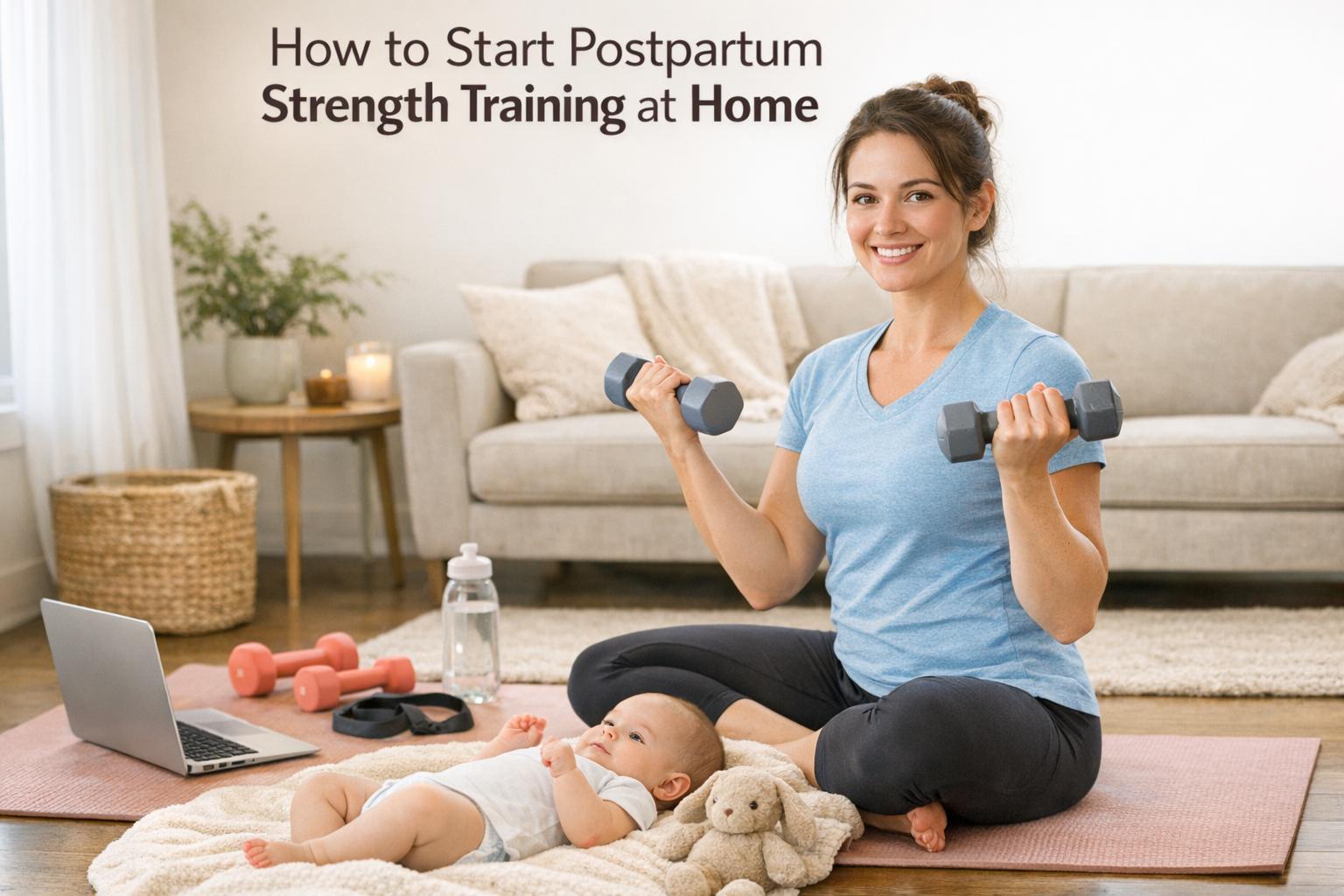
Once your healthcare provider clears you, usually after six weeks, you can begin a more structured postpartum workout. The focus shifts to rebuilding strength, improving posture, and introducing safe cardio for effective weight loss.
1. Wall Push-Ups
An upper-body strengthener:
- How to Perform:
- Face a wall and place your hands at shoulder level, slightly wider than shoulder-width apart.
- Bend your elbows to lean into the wall, then push back to the starting position.
- Perform 10 repetitions.
2. Modified Bird Dog
This exercise targets core stability and balance:
- How to Perform:
- Start on your hands and knees.
- Extend one arm and the opposite leg simultaneously, hold for 3–5 seconds, then switch sides.
- Perform 5 repetitions on each side.
3. Chair Squats
Rebuild lower-body strength:
- How to Perform:
- Stand with a chair behind you, feet shoulder-width apart.
- Lower your hips until just touching the chair, then rise back up.
- Perform 10 repetitions.
4. Supported Side Plank
Strengthen your core and obliques:
- How to Perform:
- Lie on your side with knees bent.
- Lift your hips, keeping your core engaged.
- Hold for 10–15 seconds. Perform 2–3 reps on each side.
5. Cardio Suggestions
Incorporate light cardio to boost stamina and mental health:
- Brisk Walking: Start with 20–30 minutes daily.
- Marching in Place: Begin with 5 minutes, working up to 15 minutes.
- Dance or Step Touches: Put on your favorite music and move for 15–20 minutes.
- Stationary Biking: A low-impact option to burn calories.
Nutrition and Recovery
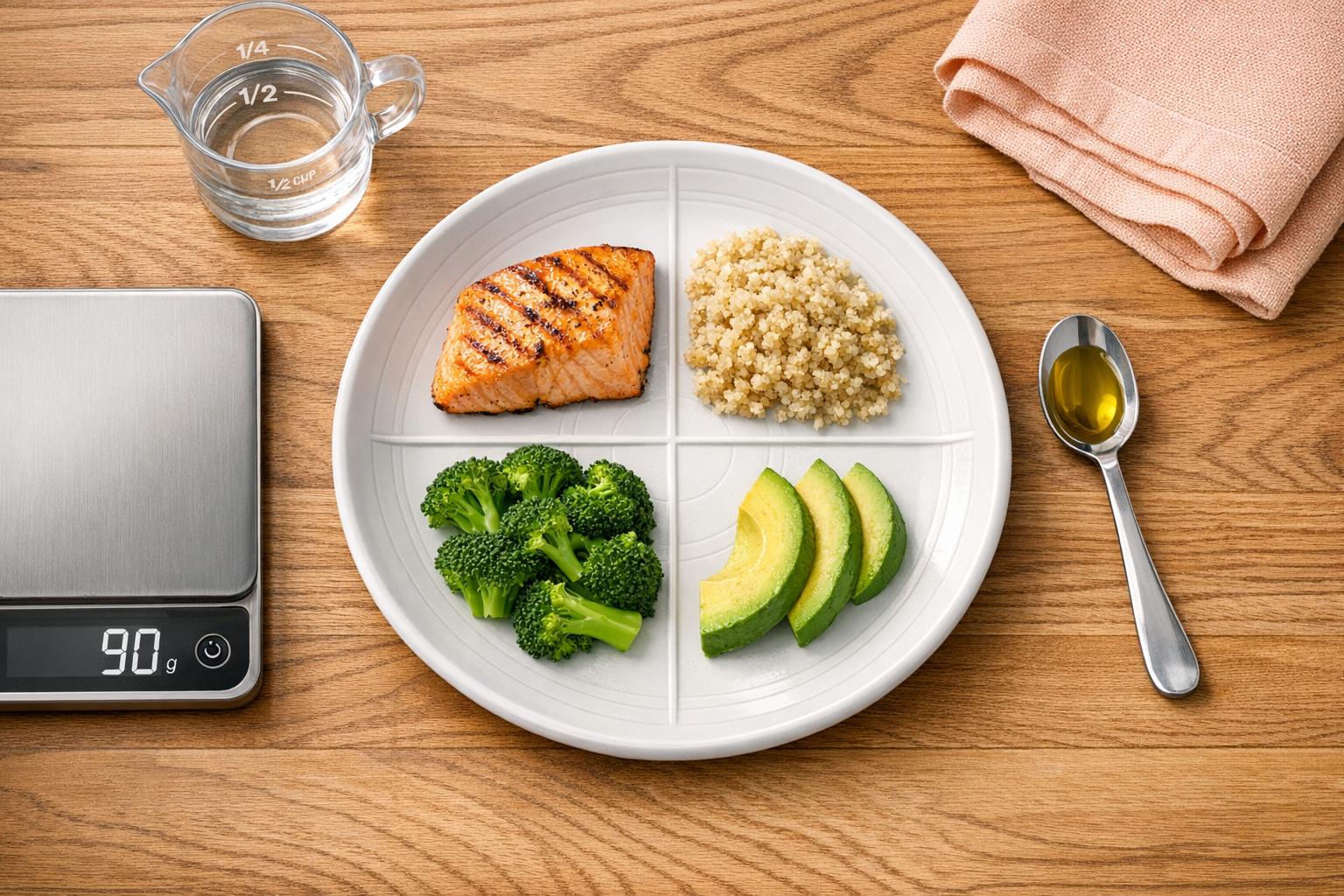
Exercise alone isn’t enough - your recovery also depends on proper nutrition. A balanced diet rich in protein, fiber, fruits, and hydration will not only support healing but also provide energy for caring for your new baby. If you’re breastfeeding, prioritize nutrient-dense foods to support milk production.
Key Takeaways
- Start Slow: Focus on rest, breathing, and circulation exercises in the first week postpartum.
- Listen to Your Body: Gradually introduce gentle strengthening exercises between weeks 2–6, avoiding anything that causes discomfort or strain.
- Build Strength Safely: After six weeks and with your doctor’s clearance, transition to a structured workout that includes cardio and strength training.
- Prioritize Recovery: Incorporate a healthy diet, adequate hydration, and plenty of rest to support your body’s healing process.
- Patience is Key: Every postpartum journey is unique - don’t rush the process and celebrate small victories along the way.
By following this comprehensive postpartum workout guide, new moms can safely regain strength, improve posture, and boost energy levels while prioritizing their overall well-being. Remember, this is a time to nurture yourself as much as your baby, taking things one day at a time. Your body has accomplished something extraordinary - be patient and kind to yourself as you rebuild.
Source: "Best Postpartum Workout after a Vaginal Delivery| Dr. Anjali Kumar | Maitri" - Maitri, YouTube, May 2, 2025 - https://www.youtube.com/watch?v=7cssrEPi3co





 Sign up with Google
 Sign up with Facebook