
Postpartum Support: Family vs. Professionals

Postpartum Support: Family vs. Professionals
When recovering after childbirth, you need help. That support can come from family or professionals - each with its own strengths and challenges. Family provides emotional comfort, practical help, and is usually free, but they may lack medical expertise and sometimes create tension. Professionals, like postpartum doulas and lactation consultants, offer expert care, monitor health, and address complications, but their services can be costly and less emotionally personal.
Quick Overview:
- Family Support: Emotional bonds, free help, but may lack training and lead to conflicts.
- Professional Support: Evidence-based care, health monitoring, but expensive and less personal.
Quick Comparison:
| Category | Family Support | Professional Support |
|---|---|---|
| Cost | Free or low-cost | Expensive, often not covered by insurance |
| Expertise | Based on personal experience | Evidence-based, trained professionals |
| Emotional Support | Strong emotional connection | Confidential, judgment-free care |
| Availability | Depends on family schedules | Can be scheduled, 24/7 options |
| Health Monitoring | Limited | Identifies medical and mental health issues |
Combining both family and professional support often works best. Family can handle daily tasks, while professionals ensure medical and emotional well-being. Planning ahead, like creating a postpartum care plan during pregnancy, can make recovery smoother and more manageable.
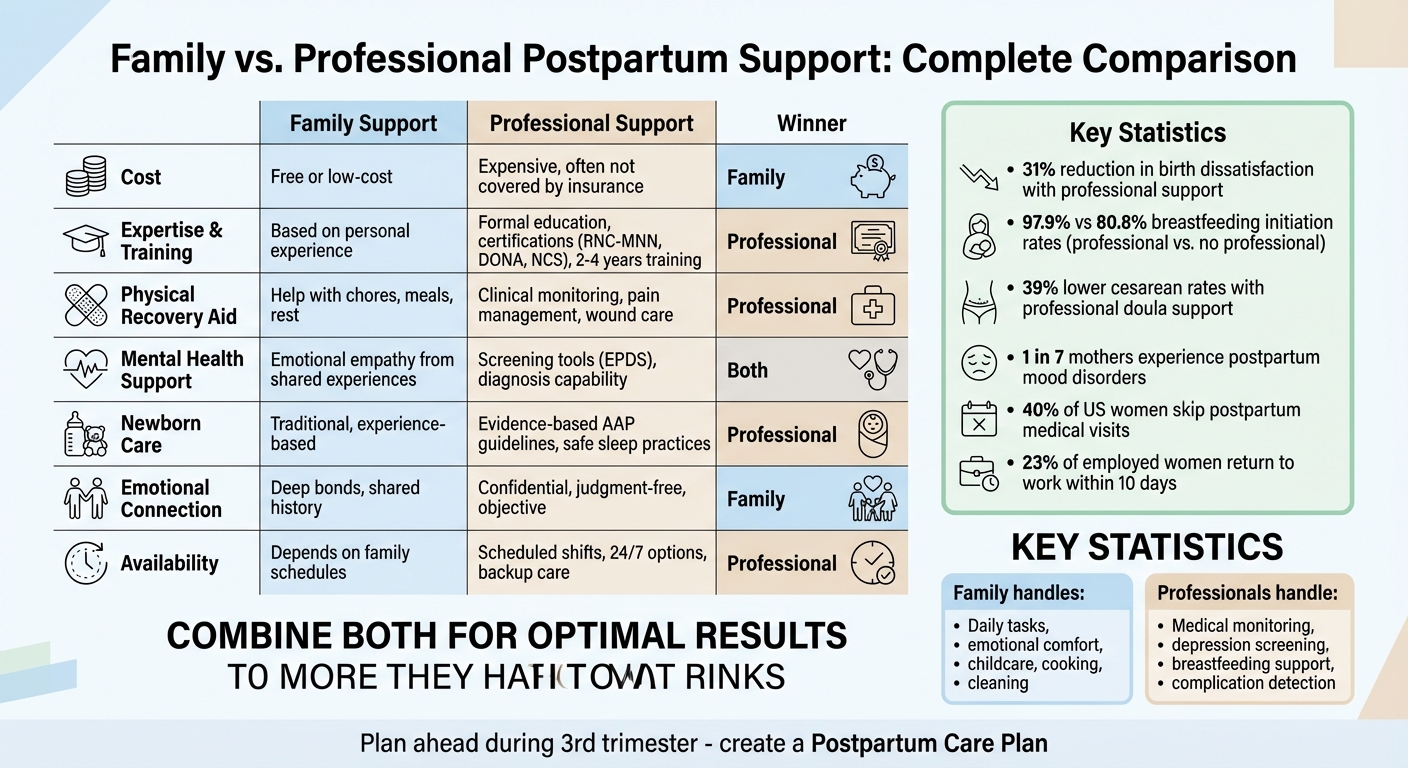
Family vs Professional Postpartum Support Comparison Chart
Thrive Postpartum & the Importance of a Social Support System
sbb-itb-9ce2258
Family Support: Benefits and Drawbacks
After childbirth, family members often step in to provide support in several ways: instrumental support (helping with tasks like cooking and cleaning), emotional support, informational support (such as parenting advice), and appraisal support (affirming your abilities as a mother). This kind of help allows you to focus on essential self-care - getting enough sleep, eating properly, and even finding time to shower - all of which are crucial for postnatal care and recovery.
The emotional bond with family is something uniquely comforting. Their familiarity with your history and needs creates a sense of security, and studies show that family involvement can help reduce the risk of postpartum depression. Another major advantage? Family support doesn’t come with a price tag, which can be a lifesaver for families managing tight budgets.
That said, leaning on family isn’t always smooth sailing. Unspoken expectations can lead to frustration if family members don’t instinctively know what you need. Plus, they may not have the expertise to identify serious issues, like dangerously high blood pressure or severe postpartum depression.
Conflicts can also arise when family advice clashes with your parenting choices or feels outdated. Some mothers may hesitate to ask for help, fearing judgment or feeling embarrassed. And family support isn’t always reliable - it can be limited by their own work schedules, health, or other obligations.
Here’s a closer look at the upsides and downsides of family support:
Pros and Cons of Family Support
| Pros | Challenges |
|---|---|
| Emotional Closeness: A deep bond and shared history provide comfort and security. | Lack of Training: Family may not recognize serious health or mental health issues. |
| Practical Help: Cooking, cleaning, and childcare assistance lighten your load. | Tension: Unmet expectations or unsolicited advice can create conflict. |
| Cost-Free: No financial expense for the household. | Feeling Judged: Asking for help might bring feelings of embarrassment or stigma. |
| Long-term Support: Family often continues to help well beyond the postpartum period. | Inconsistency: Support may vary due to family members’ personal obligations. |
| Always Nearby: Available at a moment’s notice. | Outdated Advice: Guidance may be based on personal experiences rather than current medical standards. |
Professional Support: Benefits and Drawbacks
Professional postpartum care offers a level of expertise that family support often can't match. Specialists like postpartum doulas, lactation consultants, and newborn care experts provide guidance rooted in evidence, addressing needs that go beyond what most families can offer. These professionals are trained to recognize serious complications, such as postpartum hemorrhage - which rose from 7.9 per 10,000 births in 1993 to 39.7 per 10,000 births in 2014 - and postpartum mood disorders, which impact one in seven new mothers. They also assist with practical needs, like breastfeeding techniques, safe sleep practices in line with AAP guidelines, and physical recovery. This is especially critical after a cesarean section, where help with wound care and comfortable nursing positions can make a big difference.
What sets professional support apart is its objectivity and confidentiality, which family members may not always provide. Jodi Graves, a birth and postpartum doula, highlights this role:
"Postpartum doulas can be the first line of defense, identifying postpartum complications".
These caregivers create a safe, judgment-free space where new parents can process their birth experience and ask questions. Research even shows a 31% reduction in birth dissatisfaction and higher breastfeeding initiation rates (97.9% compared to 80.8%) among those who receive professional support. However, these benefits come with their own set of challenges.
The biggest hurdle for many families is the cost. Professional care is expensive and often not covered by insurance, making it inaccessible for those on tighter budgets. Scheduling is another issue - unlike family members who may be available on short notice, professional care requires planning and coordination. Additionally, while professionals bring expertise, they may lack the personal connection and emotional bond that family members naturally provide.
Another concern is the lack of standardization in the field. Training and certification for doulas can vary significantly, and only 11% of doulas in one survey prioritized referring clients for mental health support. This inconsistency means families may need to interview several professionals to find the right fit.
Pros and Cons of Professional Support
| Pros | Challenges |
|---|---|
| Specialized Training: Offers evidence-based advice on lactation, newborn care, and safe sleep practices. | High Cost: Often requires significant out-of-pocket spending and is rarely covered by insurance. |
| Medical Monitoring: Can identify warning signs of complications like hemorrhage or severe depression. | Requires Planning: Support must be scheduled in advance, limiting spontaneity. |
| Objectivity: Provides unbiased, confidential support in a nonjudgmental setting. | Less Personal: Lacks the emotional connection and shared history of family support. |
| Proven Outcomes: Linked to lower cesarean rates (by 39%) and higher breastfeeding success. | Variable Quality: Inconsistent training and certification can lead to uneven levels of expertise. |
| Sleep Support: Overnight care can help parents rest, potentially reducing the risk of postpartum depression. | Potential Mismatch: Personality differences or unclear boundaries can create tension. |
Family vs. Professionals: Side-by-Side Comparison
When it comes to postpartum support, deciding between family and professional help can feel overwhelming. Both options bring distinct strengths to the table, and their value often depends on what you need most during recovery. Family offers emotional closeness and immediate, cost-free availability, while professionals bring specialized training and clinical expertise that can identify serious health concerns early. The American College of Obstetricians and Gynecologists highlights the importance of tailored postpartum care:
"To optimize the health of women and infants, postpartum care should become an ongoing process, rather than a single encounter, with services and support tailored to each woman's individual needs."
Family support, rooted in personal experience, can provide comfort but may lack the ability to spot critical health issues. On the other hand, professionals, such as Registered Nurses (who undergo 2–4 years of formal education and pass the NCLEX-RN) or certified doulas (who typically charge higher fees than their non-certified counterparts), deliver trained, evidence-based care. This distinction becomes especially important when over half of pregnancy-related deaths occur postpartum, and 40% of women in the U.S. skip postpartum medical visits.
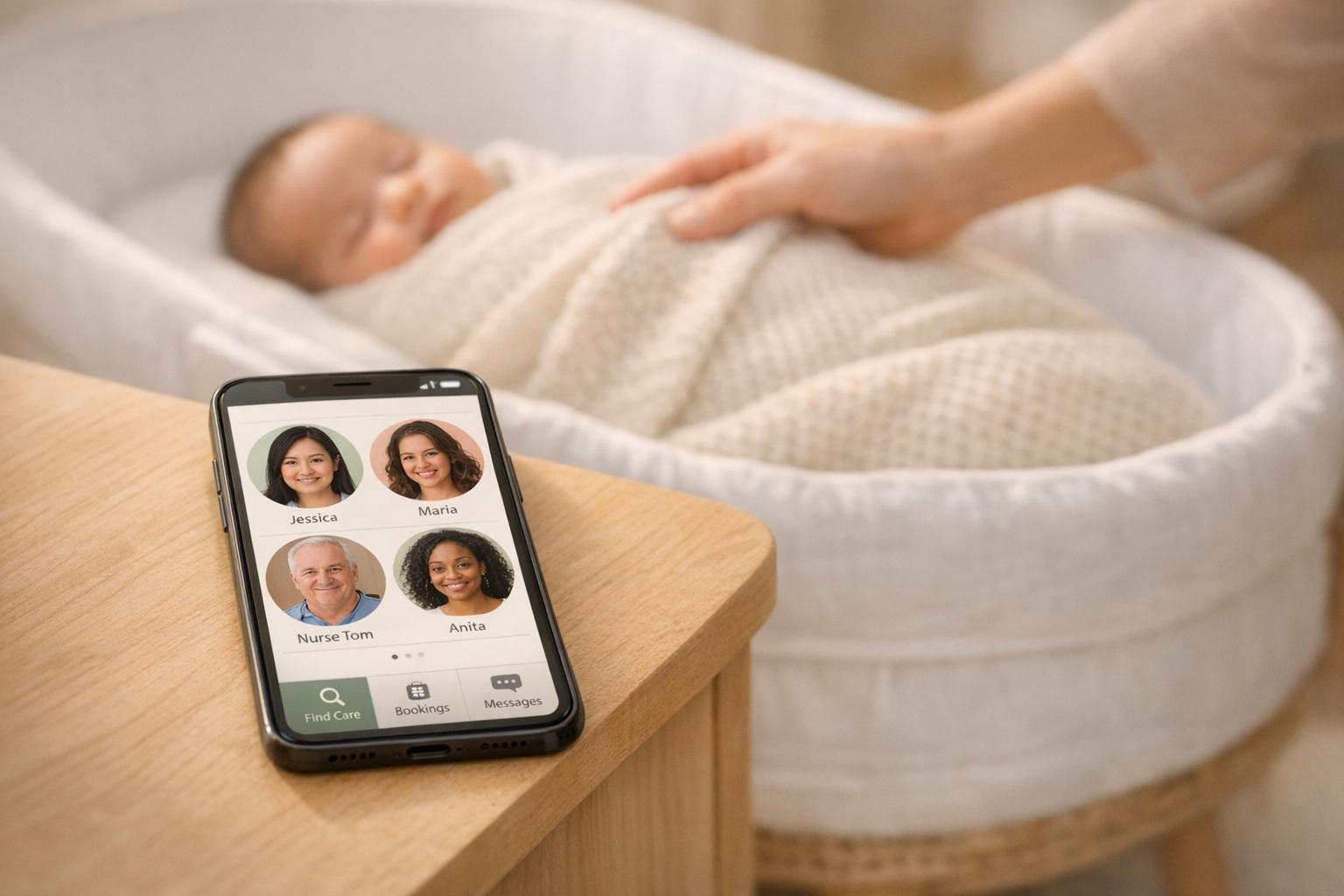
Cost is another major factor. Family support is usually free but may come with hidden costs, like time off work or emotional strain. Professional care requires upfront payment - specialized postpartum nurses, for example, earn around $132,153 annually. Platforms like Nestling aim to make professional care more accessible by connecting families with verified caregivers, offering flexible options to suit varying budgets and schedules.
Here’s a closer look at the differences between family and professional support:
Full Comparison Table
| Category | Family Support | Professional Support | Advantage |
|---|---|---|---|
| Physical Recovery Aid | Help with chores, meals, and rest. | Clinical monitoring of recovery, including pain management. | Professional: Crucial for medical safety, especially after surgical births. |
| Mental Health Support | Emotional empathy from shared experiences. | Screening for postpartum depression/anxiety with tools like EPDS. | Professional: Key for accurate diagnosis; family provides daily emotional comfort. |
| Newborn Care | Based on tradition and personal experience. | Expert advice on sleep, feeding, and safety standards. | Professional: Evidence-based guidance reduces common mistakes. |
| Expertise & Training | Informal knowledge from personal experience. | Formal education, certifications (e.g., RNC-MNN, DONA, NCS), and ongoing training. | Professional: Offers proven expertise and standardized care protocols. |
| Cost | Free or low-cost, with potential indirect burdens. | Out-of-pocket expenses; often not covered by insurance. | Family: A more affordable option for families on a budget. |
| Availability | Limited by family schedules and location. | Scheduled shifts, 24/7 availability, virtual options, and backup care. | Professional: Reliable and accessible care whenever needed. |
| Emotional Connection | Deep bonds and shared history. | Confidential, objective support without judgment. | Family: Provides unmatched emotional comfort; Professional: Tackles sensitive issues. |
Platforms like Nestling simplify access to professional care by thoroughly vetting caregivers. This includes background checks, reference validation, and certification reviews, ensuring you’re matched with qualified professionals like postpartum doulas, lactation consultants, or infant care specialists. With these safeguards in place, you get a personalized care plan that aligns with your recovery needs, offering the flexibility modern families require during this challenging time.
Combining Both Approaches and What to Consider
Postpartum care works best when it blends family support with professional expertise. Picture it as creating a "village", where everyone has a specific role to play. Family and friends can handle everyday tasks like cooking, laundry, and looking after older kids, while healthcare professionals focus on your physical recovery, screening for postpartum depression, and guiding you through feeding and newborn care. Dr. Angelica Glover, an OB-GYN, puts it perfectly:
"Think of your network as a web of family, friends, and health care professionals you can depend on, and who you should ask for help."
The secret to making this approach effective? Planning ahead. During your third trimester, draft a Postpartum Care Plan. Include names and contact information for those who can help with specific tasks like meals, overnight support, or medical advice. Clear communication is crucial - it avoids misunderstandings and ensures everyone knows their role.
Your support system should be tailored to your unique circumstances. For instance, if your family is far away, you might need to rely more on professional help, such as in-home visits or telehealth services. If you're recovering from a C-section, managing chronic health issues, or have a history of depression, professional monitoring becomes even more critical. On the other hand, if finances are tight, you can lean on family for day-to-day tasks while reserving professional care for medical needs, like lactation support.
Timing also plays a huge role. With 23% of employed women returning to work within 10 days and more than half of postpartum strokes occurring during this period, scheduling a professional check-up within the first three weeks is vital. These early assessments can catch urgent health issues, while family members can help keep your household running smoothly. Together, this creates a balanced and effective support system.
For filling in gaps when family help isn’t available, platforms like Nestling can be a lifesaver. They connect you with vetted caregivers - whether you need daytime, overnight, or live-in support - ensuring you have reliable help throughout your recovery.
Conclusion
Postpartum support isn’t a one-size-fits-all solution - it’s about finding the right balance for your specific needs. While family can help with daily tasks, professionals are often essential for specialized medical and emotional care. As the American College of Obstetricians and Gynecologists points out:
"To optimize the health of women and infants, postpartum care should become an ongoing process, rather than a single encounter, with services and support tailored to each woman's individual needs."
Certain situations, like recovering from a C-section or managing conditions like preeclampsia, require professional oversight. Additionally, if family support is limited - or if you're among the 23% of women returning to work within 10 days - having professional help becomes even more critical. The right mix of care ensures you’re covered for both routine and complex recovery needs.
When family assistance isn’t enough or specialized care is required, services like Nestling can connect you with thoroughly vetted postpartum caregivers. Their personalized care plans and detailed background checks provide peace of mind and the expert help you need during this crucial time.
Take the time during your third trimester to evaluate your medical needs, consider your support network, and plan accordingly. A well-thought-out approach can make all the difference for a smoother, healthier postpartum recovery.
FAQs
How can I effectively combine family and professional postpartum support?
Understanding the strengths of both family and professional support is key to navigating the postpartum period effectively. Family members - like partners or close relatives - offer emotional reassurance, practical help, and the comfort of familiarity. These connections can feel like a lifeline during such a transformative time. However, family members may not always have the expertise to tackle specific challenges, such as breastfeeding difficulties or postpartum recovery.
On the other hand, professional caregivers, including postpartum doulas and lactation consultants, bring specialized knowledge and skills tailored to a new mother’s needs. They can help with everything from establishing feeding routines to addressing emotional well-being, often stepping in where family support may not be enough. Services like Nestling make it easier to connect with trusted professionals who deliver personalized care, creating a smoother postpartum experience.
To build a well-rounded support system, it’s important to communicate openly with family about your needs and bring in professional help when needed. This balanced approach ensures both emotional and practical support, helping new mothers recover and thrive during this critical time.
What should I consider financially when hiring professional postpartum care?
When considering professional postpartum care, it's essential to factor in the costs of services like postpartum doulas, lactation consultants, or overnight caregivers. The pricing can vary widely based on the type of care, how long you need it, and where you live. For instance, postpartum doulas often charge by the hour or per session, while overnight caregivers might bill by the night or week, with costs ranging from several hundred to over a thousand dollars per week.
These services are typically paid out-of-pocket unless your insurance or health plan offers coverage. While the expense can be considerable, many families see it as an investment in their recovery, rest, and emotional health during the postpartum phase. Take time to evaluate your budget, check for any available coverage options, and decide on the support that best suits your family's needs.
How can I create a postpartum care plan that balances family and professional support?
Creating a postpartum care plan that balances family and professional support begins with understanding your needs and identifying the resources available to you. Start by putting together a list of key contacts, such as your doctor, a lactation consultant, and trusted family or friends who can step in to help with daily responsibilities. Think about who might be available to assist during specific times - whether it's during the day, in the evening, or overnight.
You might also want to include professional services in your plan. Postpartum doulas and lactation consultants, for example, can provide specialized support for breastfeeding, recovery, and newborn care. Meanwhile, family and friends can help with things like preparing meals, tackling household chores, or simply being there for emotional support.
By combining the expertise of professionals with the care and involvement of loved ones, you can create a plan that’s adaptable to your recovery and your baby’s unique needs. Services like Nestling make it even easier to find vetted postpartum caregivers, giving you access to the right support when you need it most.








 Sign up with Google
 Sign up with Facebook