
Daily Postpartum Pelvic Floor Exercises: 12-Min Routine
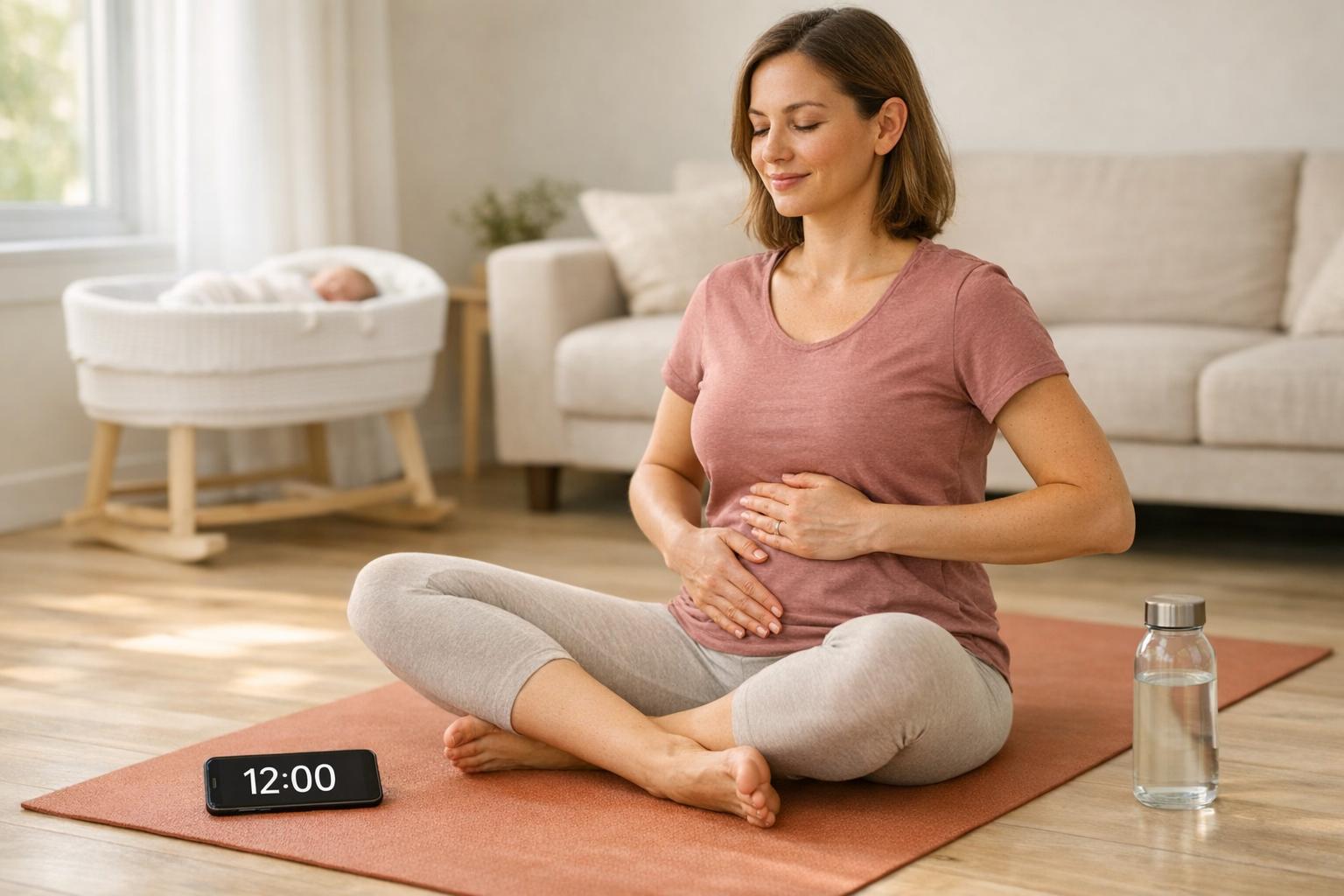
Daily Postpartum Pelvic Floor Exercises: 12-Min Routine
The postpartum period is a transformative time for new mothers, filled with joy, challenges, and the need for physical recovery. Amid sleepless nights and caregiving responsibilities, many women experience discomfort or issues related to their pelvic floor - a vital group of muscles that plays a crucial role in core stability, bladder control, and overall physical function.
If you've recently given birth, you might notice symptoms like leaking when sneezing, pelvic pain, or lower back discomfort. These are common signs that your pelvic floor could use some extra care and attention. Thankfully, with a little consistency and the right exercises, you can rebuild strength and functionality. This article outlines a 12-minute postpartum pelvic floor routine designed to help you heal, strengthen, and feel your best.
Why Pelvic Floor Health Matters Postpartum
The pelvic floor is a group of muscles and tissues located at the base of your pelvis. During pregnancy and childbirth, these muscles undergo significant strain. Vaginal births, in particular, can weaken the pelvic floor, leading to symptoms like urinary incontinence, pelvic discomfort, or even diastasis recti (separation of abdominal muscles).
Postpartum pelvic floor exercises go beyond traditional Kegels to focus on functional strength and integration with other muscle groups. Incorporating areas like the core, inner thighs, glutes, and breathing techniques helps build a stable and balanced foundation for your entire body.
sbb-itb-9ce2258
A Step-by-Step Guide to Your 12-Minute Routine
This daily workout emphasizes diaphragmatic breathing, pelvic floor awareness, and gentle yet effective movements. Here’s how you can incorporate these exercises into your schedule:
1. Diaphragmatic Breathing
- How to do it: Sit or lie down comfortably. Inhale deeply, expanding your ribs 360° and relaxing your shoulders. Exhale while imagining lifting a small "blueberry" at the opening of your vagina in and upward, engaging your pelvic floor and core.
- Why it works: This foundational breath connects your pelvic floor to your core and promotes proper muscle activation.
2. Bear Hover (Modified or Standard)
- Beginner Version: Stay on all fours with your knees on the ground. Focus on breathing and pelvic floor contractions.
- Advanced Version: On an exhale, lift your knees slightly off the ground into a hover position while engaging your pelvic floor and core. Hold for 5 seconds, then release.
- Repetitions: 3 rounds.
- Benefits: Strengthens your core and pelvic floor while minimizing pressure on healing abdominal muscles.
3. Bird Dog with Pelvic Floor Focus
- Steps: From all fours, extend one arm and the opposite leg outward. Exhale as you lift, engaging your pelvic floor. Pulse gently at the top before releasing.
- Repetitions: Alternate sides for 3 rounds each.
- Tip: Keep your movements slow and controlled to avoid strain.
- Why it’s effective: This integrates balance, stability, and pelvic floor activation into a single, functional exercise.
4. Side Plank with Leg Lift
- How to do it: In a modified side plank (hips, knees, and shoulders aligned), extend your top leg. On an exhale, lift your leg while engaging your pelvic floor. Lower your leg on the inhale.
- Repetitions: 3 rounds per side.
- Benefits: Activates your core, glutes, and pelvic floor, promoting overall strength and stability.
5. Bridge Pose with Fast-Twitch Pelvic Floor Work
- Steps: Lie on your back with your knees bent and heels near your fingertips. Inhale, then exhale to lift your hips into a bridge while simultaneously engaging your pelvic floor. Focus on short, quick pelvic floor contractions at the top before relaxing.
- Repetitions: 3 rounds of fast-twitch pulses, followed by 3 longer holds (5 seconds each).
- Why it matters: The combination of fast and slow contractions improves muscle endurance and responsiveness.
6. Deep Squat or Butterfly Pose Stretch
- How to do it: Choose a deep squat (heels down or supported) or sit in a butterfly pose with your feet together and knees open. Relax fully into the stretch, focusing on diaphragmatic breathing and releasing your pelvic floor.
- Duration: Hold for several breaths.
- Purpose: Relaxation is just as important as strengthening. This stretch helps release tension in the pelvic floor and surrounding muscles.
Common Challenges and How to Overcome Them
Postpartum recovery varies widely between individuals, but here are some tips to help you navigate potential challenges:
- Feeling Unsure About Technique? It can be hard to know if you’re engaging your pelvic floor correctly. Visualizing the "blueberry lift" or consulting with a pelvic floor physical therapist can help you build confidence.
- Managing Time Constraints: Finding 12 minutes in your day might seem daunting. Consider doing the exercises during your baby’s nap or breaking the routine into smaller segments.
- Diastasis Recti or Other Concerns: If you have specific postpartum concerns (e.g., abdominal separation), modify exercises as needed to ensure safety and comfort.
The Importance of Consistency and Patience
Postpartum recovery takes time, and it’s important to honor where your body is in the healing process. Doing these exercises consistently and with intention can lead to noticeable improvements in strength, control, and overall well-being. Remember to celebrate small wins along the way - every step counts!
Key Takeaways
- Rebuild Strength Gradually: This 12-minute routine focuses on functional pelvic floor and core strength, starting with foundational breathing techniques.
- Integration is Key: Exercises like bird dog and bridge pose incorporate multiple muscle groups, enhancing overall stability and control.
- Relaxation is Essential: Balancing strengthening with relaxation exercises prevents over-tightening and fosters optimal pelvic floor function.
- Modify as Needed: Whether you’re dealing with diastasis recti or adjusting to a packed schedule, these movements can be adapted to suit your needs.
- Consistency Leads to Results: Regular practice helps rebuild your pelvic floor, alleviating common postpartum symptoms like leaking and back pain.
By committing to this short but impactful daily routine, you’re taking an important step toward healing and reclaiming your strength postpartum. Remember: progress, not perfection, is the goal. Treat yourself with kindness and patience, knowing that your body is working hard to recover and thrive.
Source: "12-Min Postpartum Pelvic Floor Exercises To Do Daily (For Healing After Pregnancy)" - Pregnancy and Postpartum TV, YouTube, Jun 5, 2025 - https://www.youtube.com/watch?v=lSGn-zKxJzw




 Sign up with Google
 Sign up with Facebook