
Postpartum Doula Responsibilities Checklist

Postpartum Doula Responsibilities Checklist
Postpartum doulas support families during the challenging weeks after childbirth by providing physical, emotional, and practical assistance. Their role includes newborn care, guidance for the birthing parent's recovery, and light household tasks. A checklist helps clarify expectations and ensures all needs are addressed. Here's what postpartum doulas typically handle:
- Newborn Care: Feeding support (breastfeeding, bottle feeding), sleep routines, baby hygiene (bathing, diapering, umbilical cord care).
- Parental Recovery: Aid with physical recovery (pain relief, hydration, nutrition), emotional reassurance, and spotting signs of postpartum depression or anxiety.
- Household Support: Light cleaning, meal prep, organizing baby supplies, and creating manageable daily routines.
- Education: Teaching newborn behavior, developmental milestones, and parenting techniques.
- Specialized Help: Referrals to experts (lactation consultants, mental health professionals), support for multiples or premature babies, and flexible care options like overnight or live-in support.
Doulas focus on non-medical care, empowering parents to feel more confident and supported during this transition. Rates range from $25–$100+ per hour, depending on services. Platforms like Nestling simplify finding vetted postpartum doulas tailored to your needs.
What is the Role of a Postpartum Doula?
Newborn Care and Feeding Support
Navigating the early days with a newborn can be overwhelming, but postpartum doulas offer invaluable hands-on support to help parents through this transition. From feeding guidance to sleep routines and daily care, they provide practical assistance and reassurance when it’s needed most.
Breastfeeding and Bottle Feeding Help
Feeding a newborn can come with its fair share of challenges, but postpartum doulas are there to help. They guide parents through proper latching techniques, demonstrate comfortable breastfeeding positions, and address common concerns like nipple pain or milk supply issues. For families using bottles, doulas show how to prepare formula safely, position the baby correctly, and use pacing techniques to prevent overfeeding.
Studies show that families with postpartum doula support often experience higher breastfeeding success rates. In fact, some research highlights a 60% increase in exclusive breastfeeding at six weeks postpartum compared to families without this support. This success is largely due to the hands-on help and encouragement doulas provide during those crucial early days.
Take Rachel K. from Tribeca, for example. She struggled with breast engorgement in her postpartum period but found relief after connecting with Jacqueline, a specialist on Nestling's platform. Through a video chat, Jacqueline guided her on massage techniques that brought immediate comfort.
Doulas also help parents recognize hunger cues and ensure newborns are fed frequently, especially during those early weeks when babies need to eat every 2-3 hours. They assist with tracking feeding schedules using logs or apps and, when necessary, connect families with lactation consultants or pediatricians for additional support.
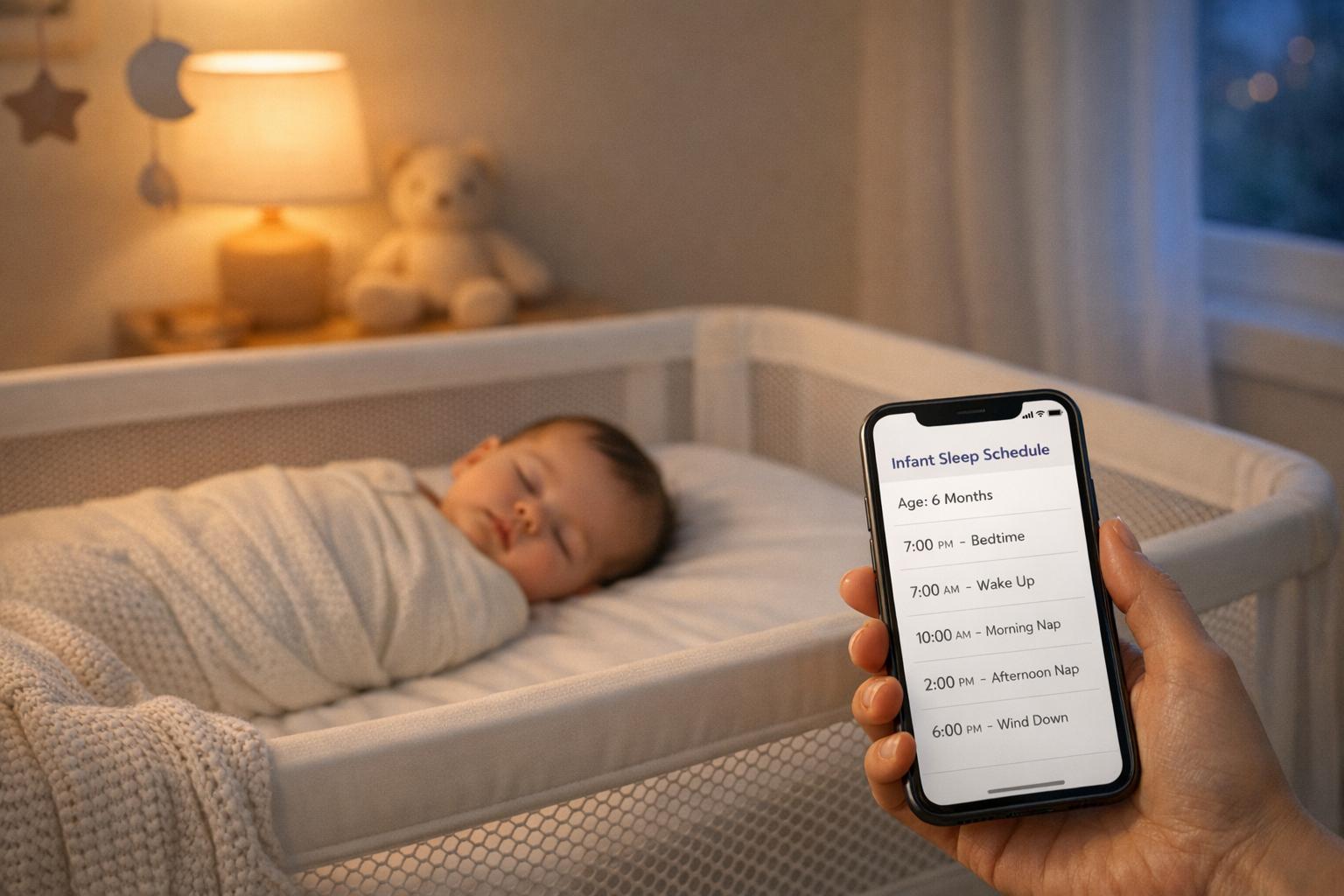
Sleep Routines and Baby Soothing
Establishing healthy sleep habits for a newborn while ensuring parents get some much-needed rest is no small feat. Postpartum doulas educate families on normal newborn sleep patterns and help set up safe, comforting sleep environments. They might suggest tools like white noise machines or blackout curtains and demonstrate soothing techniques such as swaddling, gentle rocking, or skin-to-skin contact.
This kind of support can make a huge difference for exhausted parents. Sophia L. from Astoria, for instance, booked six weeks of nighttime help through Nestling. Her doula, Janet, became her "nighttime superhero", allowing Sophia to rest and recover while Janet cared for the baby during the night. Sophia described the experience as a "game-changer" compared to her first postpartum experience.
"Infant care specialists support the postpartum experience, offering parents the priceless gifts of restful sleep, guidance, and renewed confidence in their parenting journey." - Nestling Team
Doulas also teach parents to interpret different types of cries and respond effectively. They demonstrate calming methods for fussy babies, including the "5 S's" technique: swaddling, side/stomach positioning for soothing, shushing, swinging, and sucking. By understanding these cues and techniques, parents gain confidence and feel less stressed during those inevitable fussy moments.
Newborn Hygiene and Daily Care
Daily care tasks can feel daunting for new parents, but postpartum doulas offer step-by-step guidance to build confidence quickly. Here’s a quick overview of essential newborn hygiene practices:
- Bathing: Doulas show how to safely support the baby’s head and neck while using lukewarm water (98-100°F). They emphasize never leaving the baby unattended and always testing the water temperature beforehand.
- Diapering: Beyond just changing diapers, doulas teach proper cleaning techniques to prevent diaper rash, when to use barrier creams, and how to spot signs of irritation or infection.
- Umbilical Cord Care: Doulas explain how to keep the area clean and dry until it heals, usually within 1-2 weeks, and what signs to watch for, like redness or discharge.
| Care Task | Key Techniques | Safety Considerations |
|---|---|---|
| Bathing | Support head/neck, use lukewarm water | Never leave baby unattended, test water temperature |
| Diapering | Clean front to back, apply barrier cream | Watch for signs of rash or infection |
| Umbilical Cord Care | Keep dry, clean with water if soiled | Monitor for redness, swelling, or discharge |
Doulas also help parents understand what’s normal for newborns - like hiccups, sneezing, or irregular breathing patterns - and when to seek medical advice. This reassurance eases anxiety and helps families feel more confident in their daily routines.
What sets postpartum doulas apart is their ability to tailor their care to each family’s preferences and parenting style. Whether supporting exclusive breastfeeding, mixed feeding, or specific traditions, they provide evidence-based guidance while respecting the family’s values. Their support goes beyond just tasks - it’s about empowering parents to feel capable and confident in caring for their newborn.
Postpartum Recovery and Emotional Support
Postpartum recovery brings significant physical and emotional changes. Doulas play a key role in supporting new mothers during this time, offering care and guidance to help them heal and adapt to their new roles as parents.
Physical Recovery Support
Recovering from childbirth, whether through a vaginal delivery or cesarean section, requires focused care. Postpartum doulas assist mothers with essential recovery practices. For example, they guide mothers in using peri bottles, preparing soothing pads, and taking sitz baths to aid perineal healing. They also offer non-medical pain relief methods, such as cooling pads, gentle positioning techniques, and belly bands that provide support during movement.
Rest and hydration are critical for recovery. Doulas ensure mothers stay hydrated, eat nourishing meals, and get as much rest as possible. By taking over newborn care for short periods, they give mothers the chance to shower, nap, or simply enjoy a quiet moment. These small but meaningful acts of care can make a big difference in the healing process.
In addition to hands-on support, doulas stay alert for signs that might require medical attention, such as unusual pain, excessive bleeding, or potential infections. While they don’t provide medical treatment, they encourage mothers to consult healthcare providers when needed and can assist in facilitating those conversations.
Beyond physical healing, postpartum recovery also involves addressing emotional well-being.
Emotional Support and Listening
The emotional challenges of new motherhood can be just as demanding as the physical ones. Postpartum doulas provide a safe, nonjudgmental space where mothers can process their birth experiences and navigate the wide range of emotions that come with their new role. They listen attentively, validate feelings, and offer reassurance during moments of uncertainty or overwhelm.
This support is particularly important given that approximately 1 in 7 women in the U.S. experience postpartum depression. Doulas are trained to spot early signs of postpartum mood disorders, such as persistent sadness, excessive anxiety, withdrawal from loved ones, or noticeable changes in sleep and appetite. When these symptoms appear, doulas offer immediate emotional support and help connect mothers with mental health professionals.
By providing this empathetic care, doulas help mothers feel seen and supported, reducing feelings of isolation. Research has shown that consistent support from a postpartum doula is linked to lower rates of postpartum depression and anxiety. For many mothers, having someone to share their fears, doubts, and concerns with can be a lifeline during this transitional period.
This emotional foundation makes it easier to introduce stress relief techniques, which are explored further below.
Relaxation and Stress Management
Postpartum doulas equip mothers with tools to manage stress and stay centered. They might teach simple techniques like deep breathing, gentle stretches, or mindfulness exercises to help mothers navigate overwhelming moments.
In some cases, doulas incorporate relaxation practices into their care. This could include guided meditation, progressive muscle relaxation, or creating a calming environment for mothers to unwind. Some doulas also offer light massages, which not only provide physical comfort but can also promote emotional well-being.
Another key element of stress management is setting realistic expectations. Doulas help mothers understand that it’s normal to feel overwhelmed and encourage them to set boundaries - whether it’s limiting visitors, delegating household tasks, or allowing themselves time to recover. They work with mothers to establish manageable daily routines that balance self-care with baby care.
The ultimate goal is to empower mothers with practical strategies they can use on their own. Whether it’s a quick breathing exercise during a tough moment or recognizing when to ask for help, these techniques become valuable tools long after the doula’s time with the family ends.
Doulas also approach their work with cultural sensitivity, respecting family traditions and preferences while offering evidence-based guidance. This personalized care ensures that the support aligns with the family’s values, making it both meaningful and effective for the mother’s recovery journey.
sbb-itb-9ce2258
Household Help and Daily Support
Postpartum doulas take on household responsibilities, allowing parents to focus on recovery and bonding with their new baby. Their hands-on approach includes everything from keeping the kitchen tidy to organizing essential baby items.
Light Housekeeping and Meal Prep
Postpartum doulas handle everyday household chores to ease the load on new parents. This includes washing dishes, doing laundry (both baby and parent items), tidying shared spaces, and basic cleaning tasks.
They also prepare wholesome meals and snacks designed to aid recovery and support lactation. Beyond cooking, doulas assist with meal planning and creating grocery lists, helping to reduce the mental strain for parents. They might even prepare water bottles with electrolytes or herbal teas to promote hydration. Meals are thoughtfully tailored to the family’s dietary preferences and traditions, ensuring both nourishment and comfort.
This practical help sets the stage for tackling baby-specific tasks with ease.
Baby-Related Tasks and Organization
In addition to general household duties, doulas take care of newborn-specific needs. They sterilize bottles and breast pump parts, organize baby supplies, and keep the nursery in order. Diapers, wipes, and clothing are restocked and arranged for easy access.
Doulas also help parents set up efficient systems in the nursery, such as sorting baby clothes, creating organized changing stations, and keeping feeding supplies within reach. They often watch the baby while parents take much-needed breaks to rest, shower, or attend to personal needs, easing the pressures of the postpartum period.
Through these efforts, doulas help reduce daily stress, allowing families to focus on bonding and recovery.
Daily Routine Management
Doulas also assist families in building manageable daily routines. Establishing a schedule can feel overwhelming, but their expertise helps parents find a rhythm that works. They help create realistic plans that balance baby care, self-care, and household tasks. These routines are designed to be flexible, adapting as the family’s needs evolve.
By observing family dynamics and listening to parents’ goals, doulas offer tailored suggestions for feeding, sleeping, and managing household responsibilities. They take into account each family’s unique preferences and cultural practices. Doulas also provide tips on delegating tasks, such as asking loved ones for help with errands or setting boundaries for visitors, so parents can focus on their priorities.
Services like Nestling make it easier for families to find postpartum doulas who offer personalized care plans and flexible scheduling options. Having a doula who respects your needs and provides practical support can make all the difference during this transitional period.
Education and Specialized Care Options
Postpartum doulas do more than help with daily tasks - they guide families through the early days of parenthood by offering education, resources, and connections to specialized care. Acting as a bridge between hospital discharge and confident parenting, they provide tailored support to meet each family's unique needs.
Parent Education on Baby Development
In addition to providing hands-on care and emotional support, postpartum doulas play a vital role in educating parents. They share evidence-based insights about newborn behavior and developmental milestones, helping families understand what’s normal during those early weeks and months. For instance, they explain that cluster feeding, unpredictable sleep cycles, and the startle reflex are typical aspects of a newborn's development - not causes for concern.
Doulas also guide parents in recognizing key milestones, such as when babies start tracking objects, responding to sounds, or flashing their first social smiles. They demonstrate practical skills like swaddling, soothing techniques, and safe sleep practices. According to the International Childbirth Education Association, informational support is one of the core aspects of postpartum care, underscoring its importance in doula work.
The way doulas teach varies depending on each family's preferences and background. Some parents appreciate hands-on demonstrations for tasks like diapering and bathing, while others prefer written guides or detailed verbal explanations. Many doulas also offer resource libraries filled with books, videos, and other materials on topics like infant sleep, feeding challenges, and postpartum recovery.
This personalized approach not only boosts parents' confidence but also eases unnecessary worries about normal newborn behaviors.
Referrals to Specialists and Resources
When challenges arise that fall outside their expertise, doulas connect families with the right professionals. A 2022 survey by DONA International revealed that over 80% of postpartum doulas regularly refer families to specialists like lactation consultants and mental health professionals.
Common referral scenarios include breastfeeding struggles that require expert guidance, signs of postpartum depression or anxiety, or physical recovery issues like pelvic pain that may benefit from pelvic floor therapy. Doulas also help families find pediatricians, infant sleep consultants, and local support groups when needed.
These referrals go beyond simply sharing contact details. Doulas maintain up-to-date lists of trusted local and national resources to ensure families receive reliable and culturally appropriate care. They discuss options, help schedule appointments, and even check in afterward to ensure the family’s needs are met.
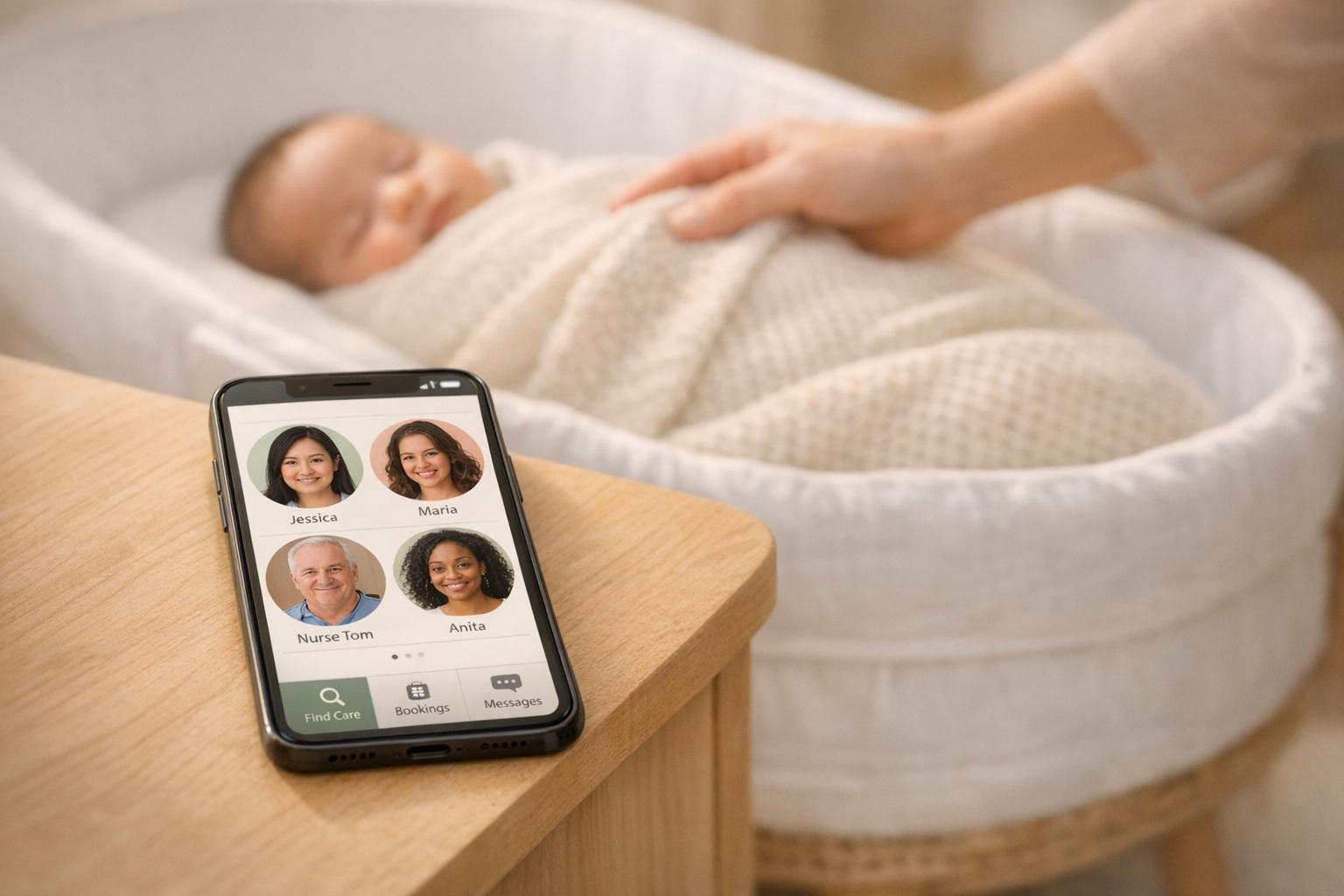
Platforms like Nestling simplify this process by offering access to a network of professionals, including postpartum doulas, lactation consultants, and infant care specialists, all in one place. This streamlined approach saves families the hassle of coordinating with multiple providers on their own.
Flexible Care Arrangements
Postpartum doulas offer flexible care options to suit a variety of family needs. For instance, overnight care allows parents to get much-needed rest while doulas handle nighttime feedings and diaper changes. Live-in support provides around-the-clock help for families who need intensive assistance during the first few weeks.
Specialized care is also available for unique situations. For families with twins or multiples, doulas help manage synchronized feeding schedules and coordinated sleep routines. In cases where babies have medical needs, such as prematurity or feeding tubes, doulas assist parents in learning specialized care routines and work closely with healthcare providers, offering both practical and emotional support.
"So, our little guy decided to show up 4 weeks early - talk about a curveball! I was freaking out about not having night support. But Nestling? They totally came through. Got us a backup specialist the day we got home. Lifesaver! Our original person showed up later as planned, but having that immediate help? Priceless. Nestling's got your back when you need it most." - Emma S., Upper East Side
Pricing for doula services typically ranges from $25–$50 per hour for daytime support, $35–$75 per hour for overnight care, and $40–$100+ per hour for specialized services. Many doulas offer packages or sliding scale pricing to make their services more accessible.
Additionally, the rise of virtual doula support has expanded access to families in rural or underserved areas. Through remote consultations, families can receive guidance and resources no matter where they live, ensuring continuous support throughout their postpartum journey.
Getting Professional Postpartum Doula Support
Postpartum doula care is designed to meet the diverse needs of new families, offering help with emotional well-being, physical recovery, and infant care. Beyond just ticking off tasks, professional postpartum doulas turn what can be an overwhelming phase into a more manageable and personalized experience.
When searching for a doula, prioritize those with formal training from reputable organizations like DONA International or ICEA. Certifications in infant CPR and first aid are also essential. The selection process should be thorough - background checks, reference reviews, and personal interviews are key steps to finding a professional you can trust.
At Nestling, all caregivers go through a rigorous vetting process to ensure they meet high standards of trust and expertise. Their services are tailored to your specific and changing needs, offering not only peace of mind but also great value for your investment.
In terms of cost, rates for postpartum doulas in the United States typically range between $25 and $50 per hour, though some may offer package deals or sliding scale pricing to accommodate different financial situations.
Emotional care is another vital aspect of doula support. These professionals do more than just lend an ear - they help you express your concerns, navigate disappointments, and build confidence as a new parent. Their steady presence can be a source of calm during chaotic moments, and they are trained to recognize signs of postpartum mood disorders, connecting you with mental health resources as needed.
"Nestling was my lifeline. They set up interviews with doulas and gave me questions to ask when my brain was mush. We chose Jackie, who took one look at my exhausted, overwhelmed self and said, 'I got you.' And she did. Nestling brought Jackie into my life when I needed her most. For any new mom feeling lost - Nestling is the answer. Best decision I made postpartum." – Clara G., Prospect Heights
For families with unique needs - like caring for multiples, premature infants, or specific cultural practices - doulas can provide specialized care. They collaborate with healthcare providers to ensure their support is tailored to meet medical or cultural requirements, ensuring every family feels respected and cared for.
FAQs
What should I consider when choosing a postpartum doula?
When choosing a postpartum doula, focus on their credentials and experience. It's essential to find someone who has passed thorough background checks and reference reviews. Make sure they hold recognized certifications in postpartum care and any specific expertise you might require, like lactation consulting or newborn care.
Equally important is selecting a doula who has been thoughtfully interviewed, not just for their skills but also for their ability to offer kind and tailored support. Many families feel reassured knowing their doula upholds strict confidentiality and maintains high levels of professionalism.
What support can a postpartum doula provide if I’m struggling with postpartum depression?
Postpartum doulas play a crucial role in offering emotional support during what can be a deeply challenging period. Their presence is warm and understanding, providing a safe space to share your thoughts and feelings without fear of judgment. They truly listen, ensuring you feel seen and supported.
Beyond emotional care, they step in to help with practical tasks that can feel overwhelming. This might include light household chores, assisting with newborn care, or simply helping to create a peaceful environment, allowing you to focus on healing. And if you find yourself needing additional help, they can connect you with trusted mental health resources to ensure you get the support you deserve.
How much does it typically cost to hire a postpartum doula, and are payment options flexible?
The cost of hiring a postpartum doula depends on several factors, such as where you live, the type of care you’re looking for, and how many hours of support you need. Nestling makes pricing clear and upfront during the booking process, so there are no surprises.
To make things even easier, Nestling provides flexible booking options, allowing families to find care that works within their budget and schedule.







 Sign up with Google
 Sign up with Facebook